

What's Happening?
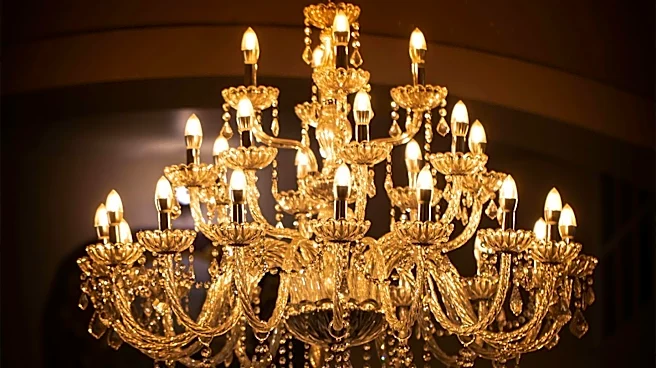
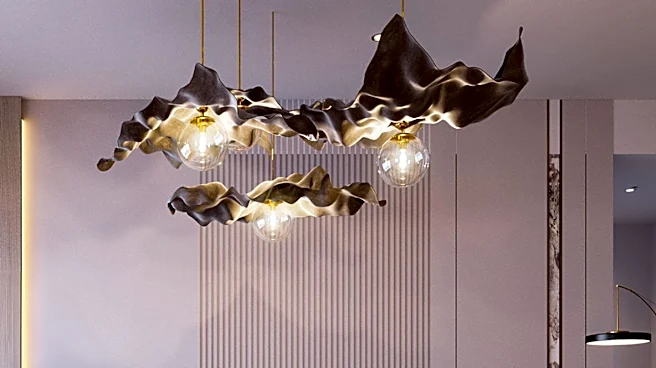
Chandeliers and pendant lights are increasingly recognized as prominent statement lighting fixtures in home design, particularly within wine cellars and tasting rooms. These fixtures serve as visual focal points, enhancing the aesthetic and atmospheric
narrative of a space. For larger wine rooms, a chandelier can establish a strong visual center, with options ranging from rustic iron to modern sculptural designs. Pendant lights are frequently used above wine tasting tables to delineate the gathering area from bottle storage. The trend emphasizes customizable color temperatures, typically warm-white lighting between 2700K and 3000K, and the integration of smart lighting scenes. LED bulbs are preferred for their energy efficiency and reduced heat emission, though careful consideration of light spectrum, brightness, and exposure time is crucial to protect wine collections. The goal is to balance attractive presentation with comfortable visibility and sensible wine protection, ensuring that lighting complements the room's design without overwhelming it or compromising the stored wine.
Why It's Important?
The growing emphasis on statement lighting, particularly chandeliers and pendant lights, reflects a broader shift in interior design towards creating immersive and personalized home environments. For U.S. homeowners and the interior design industry, this trend signifies an increased demand for sophisticated and functional lighting solutions that go beyond mere illumination. It impacts manufacturers and retailers of lighting fixtures, driving innovation in design, material, and smart technology integration. The focus on customizable color temperatures and smart lighting scenes indicates a consumer preference for adaptable and energy-efficient options, influencing product development and marketing strategies. Furthermore, the specific application in wine cellars highlights a niche market where aesthetic appeal must be carefully balanced with practical considerations like wine preservation, creating opportunities for specialized lighting products and design services. This trend underscores the importance of lighting as a critical element in defining the mood and functionality of a space, affecting both residential property values and the overall user experience.
What's Next?
The trend towards statement lighting is expected to continue, with further advancements in smart lighting technology and customization options. Manufacturers will likely focus on developing more energy-efficient LED fixtures that offer a wider range of color temperatures and dynamic lighting modes, controllable via mobile applications. The integration of lighting with broader smart home ecosystems will also expand, allowing for seamless control and personalized atmospheric settings. Designers may explore more innovative ways to incorporate these fixtures into various home spaces, moving beyond traditional applications. Additionally, as consumers become more aware of the impact of lighting on specific items, such as wine collections, there will be a continued demand for specialized lighting solutions that address both aesthetic and preservation needs. The market will likely see an increase in products that offer both visual appeal and practical benefits, catering to a discerning clientele seeking both style and functionality in their home environments.
Beyond the Headlines
Beyond the immediate aesthetic and functional benefits, the rise of statement lighting, particularly in specialized areas like wine cellars, reflects deeper cultural and lifestyle shifts. It signifies a growing appreciation for craftsmanship and personalized luxury within the home, where every detail contributes to a curated experience. The emphasis on customizable lighting, including color temperature and smart controls, points to a desire for environments that can adapt to various moods and activities, blurring the lines between functional and experiential design. This trend also highlights an increasing awareness of how environmental factors, such as light, can impact the preservation of valuable collections, suggesting a more holistic approach to home design that integrates both beauty and utility. The ethical dimension of energy consumption is also subtly addressed through the preference for efficient LED lighting, aligning with broader sustainability goals. Ultimately, statement lighting is becoming a form of artistic expression, transforming living spaces into dynamic and responsive environments that cater to individual preferences and values.