

What's Happening?
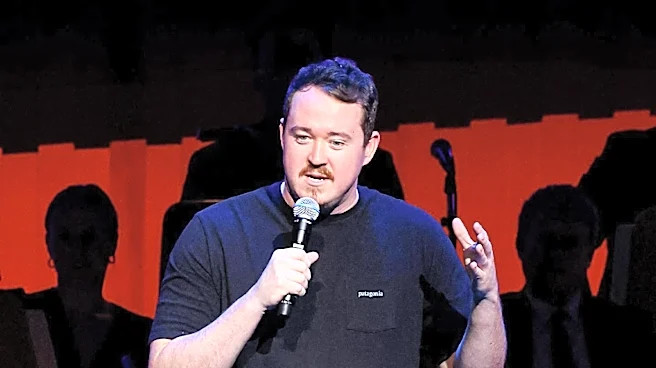
Comedian Shane Gillis hosted Saturday Night Live (SNL) for the third time on October 10, 2026, a decision that has drawn criticism given his past controversies. During his monologue, Gillis made a comment regarding women's attire in gyms, stating, “I
didn’t know women just dressed like whores now.” This remark, which followed a reference to his weight loss and gym visits, quickly ignited a wave of backlash. Many critics, including fellow comedians, denounced the comment as misogynistic and lacking a comedic punchline. The incident also led to a TikTok trend where women sarcastically posted videos of themselves in full-body coverings to the gym, highlighting the absurdity of alternative gym wear. Gillis was previously fired from SNL in 2019, just five days after being hired, due to the resurfacing of clips from his podcast where he used racist and homophobic slurs. Despite these past issues, SNL has continued to book him.
Why It's Important?
This event highlights ongoing debates within the entertainment industry and broader society regarding accountability for offensive language, particularly misogynistic and discriminatory remarks. The decision by SNL to repeatedly feature Gillis, despite his history of controversial comments, raises questions about the network's priorities, potentially balancing artistic freedom against social responsibility and public sentiment. The backlash from comedians and the public, including the viral TikTok response, demonstrates a growing intolerance for such rhetoric, particularly when it targets women. This incident also underscores the power of social media in amplifying both offensive content and public reactions, shaping narratives and influencing perceptions of public figures. The continued platforming of individuals with a history of problematic statements can normalize such behavior, potentially impacting cultural norms and the safety of marginalized groups.
What's Next?
The immediate aftermath of Gillis's SNL appearance suggests continued public discussion and potential scrutiny of both the comedian and the show's producers. While Gillis's career may continue largely unaffected, given his dedicated fanbase and past ability to navigate controversy, the incident could prompt further conversations within the comedy community about the boundaries of humor and the responsibility of comedians. SNL and NBC may face ongoing pressure to address the criticism, potentially influencing future booking decisions or internal policies regarding content. The viral nature of the backlash on platforms like TikTok indicates that public opinion, particularly among younger demographics, will remain a significant factor in how such incidents are perceived and responded to by media organizations.
Beyond the Headlines
The controversy surrounding Shane Gillis extends beyond a single comedic performance, touching upon deeper societal issues concerning misogyny, free speech, and the commercialization of 'edgy' content. The argument that such comments are 'just jokes' often serves to deflect accountability, yet studies suggest that environments tolerating sexist humor can contribute to a culture where violence against women is more accepted. The continued success of figures like Gillis, despite their problematic pasts, points to a segment of the audience that actively seeks out 'unfiltered' comedy, potentially driven by anti-establishment sentiments. This dynamic presents a challenge for media organizations, as they navigate the financial incentives of attracting large, engaged audiences against the ethical implications of platforming controversial figures. The incident also reflects a broader cultural struggle to hold powerful men accountable for bigotry, even as society increasingly demands greater inclusivity and respect.