


What's Happening?
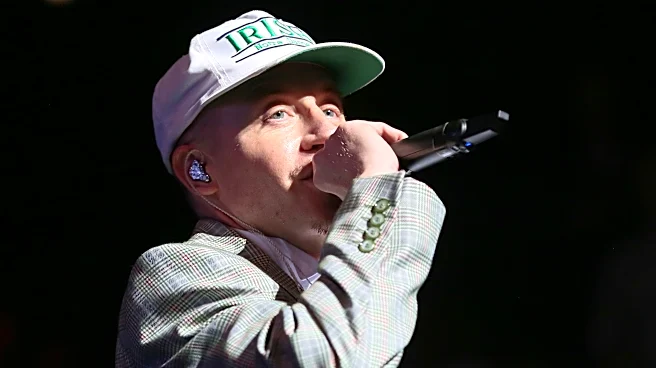
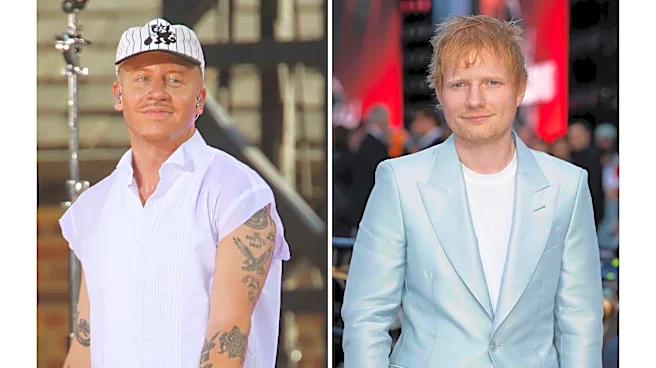
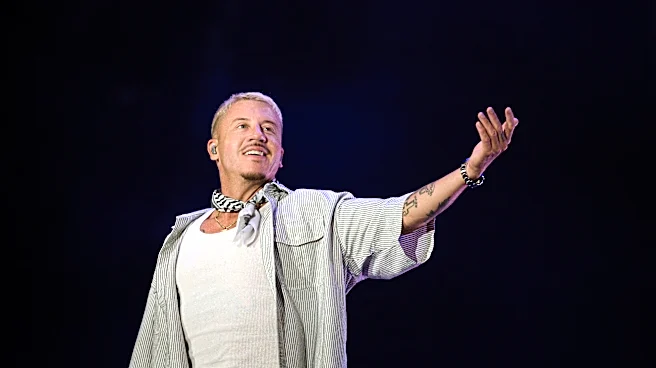
Rapper Macklemore, whose real name is Ben Haggerty, has been removed from upcoming tour dates with Ed Sheeran. This decision follows Macklemore's pro-Palestine comments made during opening acts for Sheeran at MetLife Stadium in New Jersey. According to Macklemore's Instagram
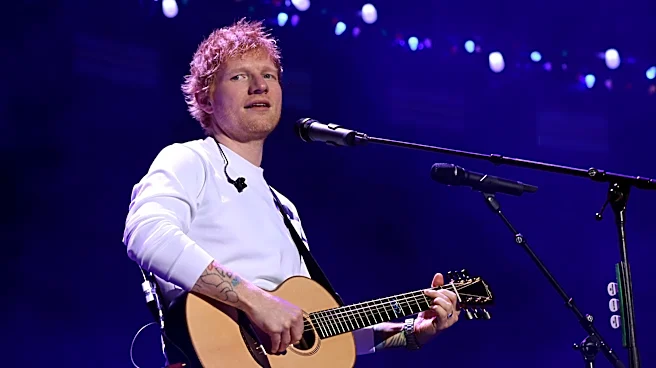
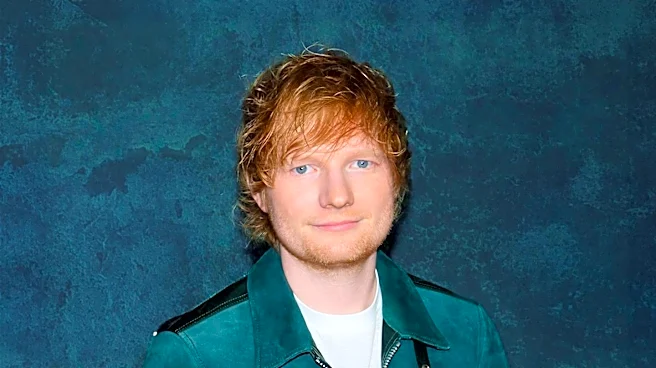
post, multiple stadiums informed Messina Touring Group, Sheeran’s tour promoter, that they would not allow performances if Macklemore remained on the lineup. Robert Kraft, owner of Gillette Stadium, reportedly rallied other stadium owners to issue an ultimatum: Macklemore's continued presence would lead to tour cancellations. Ed Sheeran confirmed that venues communicated they would pull shows if Macklemore continued his support, stating that the promoter's decision was final to prevent the cancellation of the entire tour. Sheeran emphasized that his contract was with the promoter, not Macklemore, and expressed his personal views against the conflict while choosing not to use his professional platform for politics.
Why It's Important?
This incident highlights the increasing pressure on artists and public figures to align with specific political stances, particularly concerning the Israeli-Palestinian conflict. The decision by venues to refuse Macklemore's performances, driven by his pro-Palestine comments, demonstrates the significant financial and logistical power that venue owners and promoters wield over touring artists. It also underscores the potential for artists' political expressions to impact their careers and the broader entertainment industry. The situation reveals a tension between artistic freedom and commercial viability, where venues and promoters prioritize avoiding controversy and potential tour cancellations. This could set a precedent for how political activism by musicians is handled in the future, potentially leading to self-censorship or increased scrutiny of artists' public statements.
What's Next?
The immediate consequence is Macklemore's absence from the remaining Ed Sheeran tour dates, impacting his performance schedule and potentially his fan engagement. The Messina Touring Group's decision to remove Macklemore to prevent tour cancellations suggests a continued cautious approach by promoters regarding politically charged content. This event may lead to further discussions within the music industry about the boundaries of artistic expression and the responsibilities of artists, venues, and promoters. It could also prompt other artists to reconsider the implications of their public political statements on their touring opportunities. Robert Kraft's offer to meet with Macklemore to discuss the facts indicates a potential for dialogue, though the immediate impact on Macklemore's touring career remains to be seen.
Beyond the Headlines
This situation delves into the complex interplay between freedom of speech, corporate interests, and geopolitical issues within the entertainment sector. The refusal of venues to host Macklemore due to his pro-Palestine stance raises questions about censorship and the extent to which artists are expected to conform to certain political narratives to maintain their careers. The involvement of figures like Robert Kraft, a prominent business owner, in influencing touring decisions highlights the broader societal and economic pressures that can bear on cultural events. This incident also reflects the deep divisions and sensitivities surrounding the Israeli-Palestinian conflict, demonstrating how these global issues can manifest and create repercussions in seemingly unrelated fields like music and entertainment. It underscores the challenge for artists to navigate their personal convictions with the commercial realities of their profession.