







What's Happening?
The taxation framework for the FIFA World Cup, particularly for host nations like the United States, Canada, and Mexico for the 2026 tournament, involves a complex set of tax rules. These rules apply to FIFA, its subsidiaries, participating national associations,
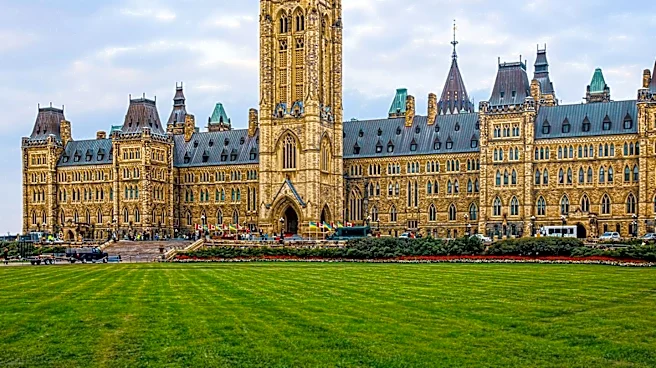
players, team officials, sponsors, and service providers. The majority of these tax provisions are not found in standard tax law but originate from government tax guarantees that FIFA mandates during the bidding process. Host countries then implement these commitments through special World Cup legislation, which often includes broad tax exemptions. This framework covers various aspects, including corporate taxation, withholding taxes on FIFA revenues, broadcasting and marketing rights, sponsor income, and tournament-related service providers. It also addresses the taxation of players and team officials, VAT, customs, and importation rules. The 2026 World Cup is notable as it will be hosted across three countries with distinct tax systems, each adopting its own approach to exemptions, while state, provincial, and local taxes may still apply.
Why It's Important?
This taxation framework is crucial for host countries as it dictates the financial implications of hosting one of the world's largest sporting events. The granting of significant tax exemptions to FIFA and its stakeholders means that host nations forgo substantial potential tax revenues. This is often justified by the perceived economic benefits, such as increased tourism, infrastructure development, and global exposure. However, it also raises questions about the balance between these benefits and the financial concessions made by the host government. For businesses and service providers involved in the World Cup, understanding these specific tax rules is essential for compliance and financial planning. The differing tax systems among the 2026 co-hosts (U.S., Canada, Mexico) add a layer of complexity, requiring careful navigation for all entities involved, from international corporations to individual athletes. The framework also sets a precedent for future major sporting events, influencing how host nations negotiate financial terms.
What's Next?
As the 2026 FIFA World Cup approaches, the host nations—the United States, Canada, and Mexico—will continue to refine and implement their specific tax legislation to align with FIFA's requirements. This will involve detailed legal and financial planning to ensure all tax exemptions and regulations are properly enacted and communicated to stakeholders. Businesses, sponsors, and national football associations will need to familiarize themselves with the specific tax regimes in each host country to ensure compliance. There may be ongoing discussions and potential challenges regarding the application of state, provincial, and local taxes, which can vary significantly. Furthermore, the practical challenges of applying a unified framework across three distinct tax systems will likely lead to further guidance and clarification from tax authorities in the lead-up to the tournament. The success and financial outcomes of the 2026 World Cup under this framework will likely influence future bidding processes and tax negotiations for subsequent FIFA tournaments.
Beyond the Headlines
The extensive tax exemptions granted to FIFA by host nations like the U.S. highlight a broader debate about the economic sovereignty of countries when hosting major international events. Critics often argue that these exemptions represent a significant transfer of wealth from public coffers to a private organization, questioning the true net benefit for the host country's citizens. This practice can also create an uneven playing field for local businesses that do not receive similar tax breaks. Ethically, it raises questions about corporate responsibility and fairness in global sporting events. Legally, the implementation of special World Cup legislation often bypasses standard legislative processes, potentially limiting public scrutiny. The long-term implications could include increased pressure on host nations to offer similar concessions for other large-scale events, potentially eroding national tax bases and shifting financial burdens onto taxpayers. This dynamic underscores the power imbalance between global sports organizations and individual nations vying for the prestige and perceived economic boost of hosting such events.