




What's Happening?
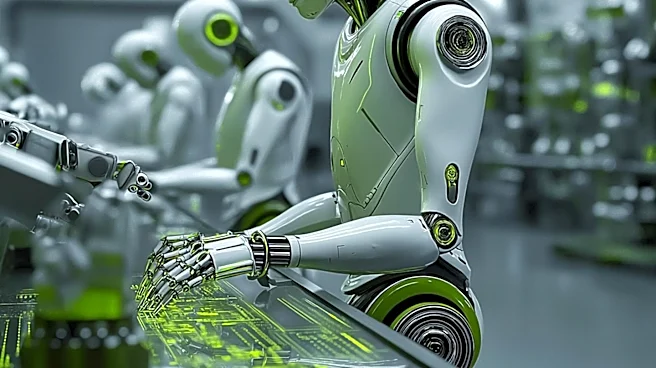
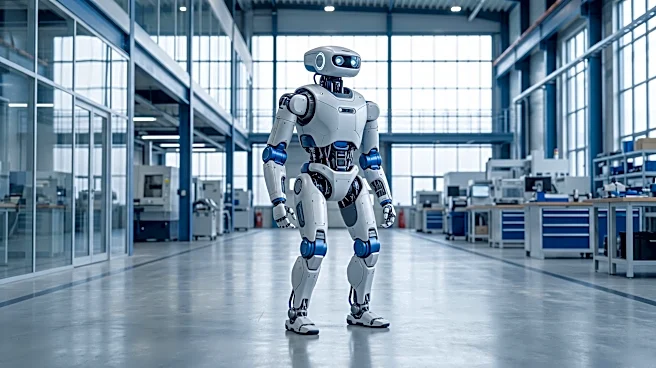
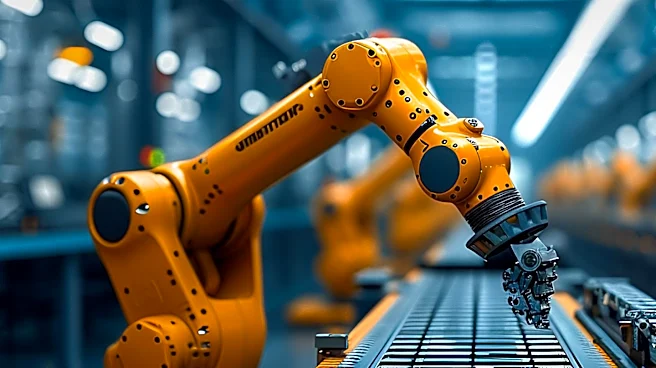
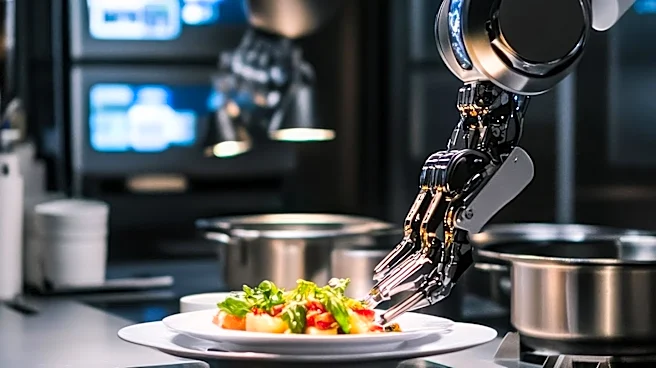
The food robotics industry is undergoing a significant resurgence, attracting substantial investment and innovation. This 'Food Robotics 2.0' era differs from its predecessor, where companies often struggled to balance robotic functionality with culinary
execution or branding. Now, prominent founders are entering the space, with Travis Kalanick's Atoms raising $1.7 billion and Marc Lore's Wonder securing approximately $3 billion. These investments are driving advancements in kitchen automation and broader food service applications. Companies like Botrista, Inc., Bear Robotics, and Simbe are actively developing solutions for beverage preparation, general food service, and retail inventory management. This renewed interest is fueled by the ongoing need for efficiency in restaurants, particularly during peak hours, and the potential for robotics to address operational challenges.
Why It's Important?
This renaissance in food robotics holds significant implications for the U.S. food service and retail sectors. Increased automation can lead to greater efficiency, potentially reducing labor costs and improving consistency in food preparation and delivery. For restaurants, this could mean faster service during busy periods and a more streamlined operation. Companies investing in this technology, such as Atoms and Wonder, are positioning themselves to be leaders in a transforming industry, potentially disrupting traditional food service models. The focus on areas like beverage preparation and retail inventory also suggests a broader application beyond just cooking, impacting various facets of the consumer experience. However, the success of these ventures will depend on their ability to provide reliable, easily maintainable solutions that can withstand the demanding environment of commercial kitchens.
What's Next?
The immediate future for food robotics will likely involve continued investment and the development of more sophisticated and reliable robotic systems. A key challenge for manufacturers will be ensuring fast and efficient on-site support for their machines, as restaurants cannot afford downtime during service. The industry will need to demonstrate clear utilization and payback numbers to justify the significant capital investment required for these technologies. While initial applications might focus on central kitchens due to labor cost considerations in some regions, the ultimate goal is to integrate these robots seamlessly into individual restaurants and retail environments. The ongoing evolution of these technologies will determine their widespread adoption and impact on the U.S. food industry.
Beyond the Headlines
Beyond the immediate operational benefits, the rise of food robotics raises deeper questions about the future of labor in the food service industry. While automation can address staffing shortages and improve efficiency, it also has the potential to displace human workers. This could lead to a shift in the types of jobs available in restaurants, with a greater emphasis on roles involving robot maintenance, programming, and customer interaction rather than traditional food preparation. There are also ethical considerations regarding the quality and authenticity of food prepared by robots versus human chefs. The long-term success of food robotics will depend not only on technological advancements but also on how well these systems integrate into the existing social and economic fabric of the food industry, addressing both efficiency needs and societal concerns.