






What's Happening?
An American company has initiated the construction of a new nuclear reactor in Wyoming, utilizing liquid sodium cooling technology similar to that of the SNR-300 reactor in Germany. The SNR-300, located in Kalkar, was completed in 1985 but never became
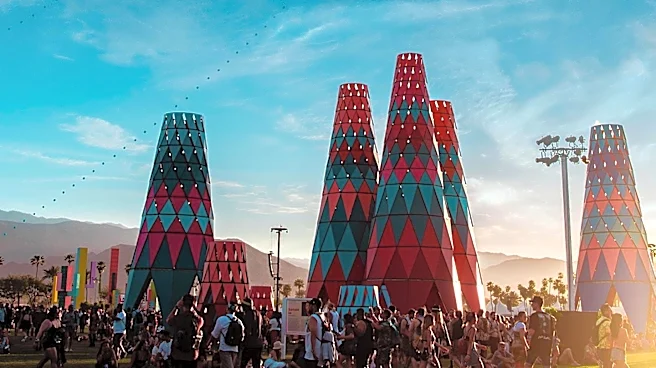
operational due to political and safety concerns, particularly after the Chernobyl disaster. Despite being structurally complete, the reactor never received fuel, and its cooling system, which used liquid sodium, remained active to prevent solidification. The site was eventually sold and repurposed as an amusement park. The new reactor in Wyoming, developed by TerraPower, is a 345-megawatt sodium fast reactor with molten salt storage, capable of increasing output to 500 megawatts. Construction began in April, with completion targeted for 2030.
Why It's Important?
The construction of the Wyoming reactor marks a significant development in the U.S. nuclear energy sector, as it represents the first commercial non-light-water power reactor construction permit issued in the country. This project could pave the way for future advancements in nuclear technology, offering a potential solution to energy demands while addressing environmental concerns associated with traditional fossil fuels. The use of liquid sodium as a coolant, while effective, poses challenges due to its reactive nature, which requires careful handling and safety measures. The success of this project could influence energy policy and investment in nuclear technology, potentially leading to a shift in how the U.S. approaches energy production.
What's Next?
The next steps for the Wyoming reactor include obtaining an operating license from the Nuclear Regulatory Commission (NRC), which is separate from the construction permit. This process will involve rigorous safety evaluations and regulatory compliance checks. The outcome of this project could impact future nuclear projects in the U.S., as well as international interest in similar technologies. Stakeholders, including environmental groups, government agencies, and the energy industry, will likely monitor the project's progress closely, as its success or failure could influence public perception and policy decisions regarding nuclear energy.
Beyond the Headlines
The development of the Wyoming reactor highlights the ongoing debate over nuclear energy's role in addressing climate change and energy security. While nuclear power offers a low-carbon alternative to fossil fuels, concerns about safety, waste management, and high costs remain. The use of liquid sodium as a coolant, although efficient, introduces additional risks due to its chemical properties. This project may also prompt discussions about the balance between innovation and safety in the energy sector, as well as the potential for international collaboration in advancing nuclear technology.