






What's Happening?
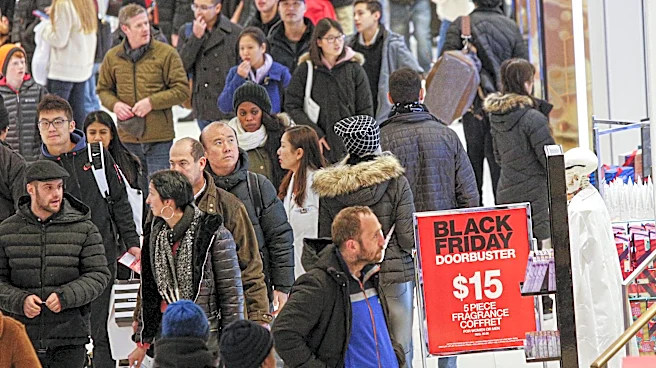
Retailers including Amazon, Walmart, Best Buy, and smaller online electronics stores like Adorama and B&H have initiated early Black Friday sales on a wide range of tech products. These deals, often referred to as 'Black November,' precede the official
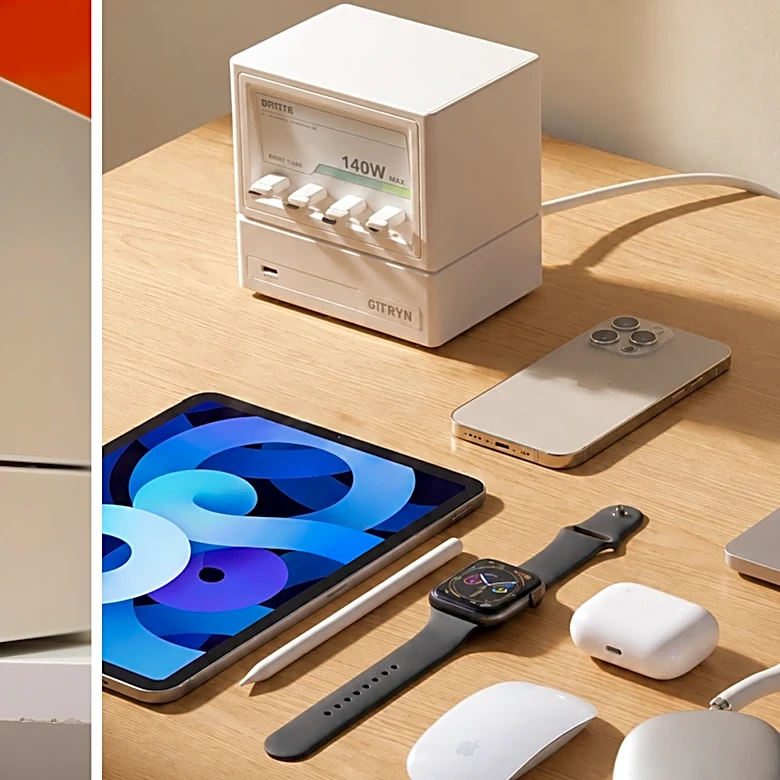
Black Friday date of November 27. Consumers can find significant discounts on items such as Apple AirPods Pro 3, MacBook Air models, Bose QuietComfort Headphones, Amazon Fire TV Stick 4K, and various televisions. For instance, the Apple AirPods Pro 3 are available for $179, a $70 saving, and a 75-inch Hisense TV is offered at half price. Apple itself rarely provides direct discounts but offers gift cards up to $300 on select products from November 27-30, while third-party retailers lead with price reductions on Apple devices.
Why It's Important?
The early rollout of Black Friday deals signifies a shift in consumer shopping patterns and retailer strategies, extending the holiday shopping season well before Thanksgiving. This trend allows consumers to secure desired tech items, often at record-low prices, without the pressure of a single-day event. For retailers, it helps to spread out sales volume, manage inventory, and potentially capture a larger share of holiday spending. The competitive pricing on high-demand electronics, particularly Apple products, impacts market dynamics by driving sales and influencing consumer purchasing decisions. The availability of deals on various tech categories, from personal audio to large appliances, underscores the importance of Black Friday as a key period for technology acquisitions, affecting both manufacturers and consumers.
What's Next?
As Black Friday approaches, more markdowns are anticipated across various tech brands and product categories. Consumers are advised to monitor prices closely, as deals can fluctuate and popular items may sell out quickly. The official Black Friday event on November 27, followed by Cyber Monday, is expected to bring additional promotions. Retailers will likely continue to offer competitive pricing to attract shoppers, potentially introducing new deals or deepening existing discounts. Shoppers are encouraged to compare offers across different platforms and consider the value of bundled deals or gift card incentives, especially for Apple products, where direct discounts are less common from the manufacturer.
Beyond the Headlines
The extended Black Friday sales period highlights a broader evolution in retail, moving away from a single high-pressure shopping day to a prolonged season of discounts. This shift can lead to increased consumer spending over a longer duration but also requires shoppers to be more strategic in tracking prices and identifying genuine deals versus inflated 'sales.' The emphasis on tech products reflects their continued demand and role as popular holiday gifts. Furthermore, the strategy of offering gift cards by manufacturers like Apple, instead of direct price cuts, indicates a nuanced approach to maintaining brand value while still participating in holiday promotions. This trend also raises questions about the sustainability of such prolonged discount periods for retailers and their impact on profit margins.