



What's Happening?
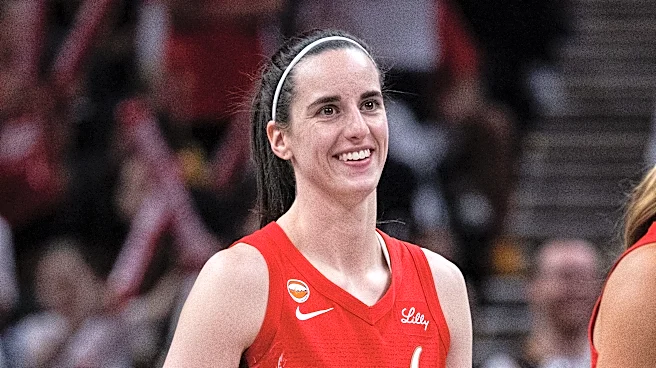
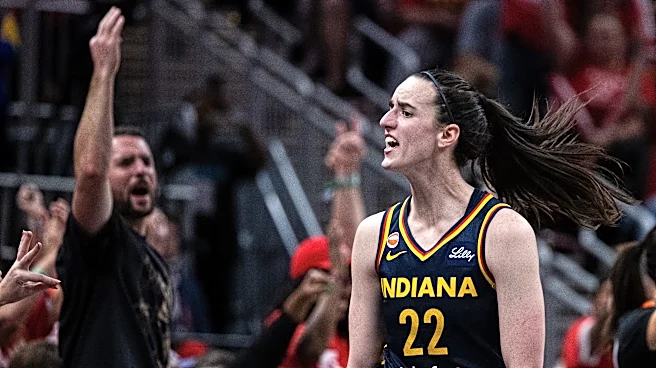
Former WNBA star Angel McCoughtry recently made comments on the 'Get To The Point' podcast suggesting that Caitlin Clark receives more promotion and success than Kelsey Mitchell due to her appearance, despite Mitchell being a superior player. McCoughtry claimed
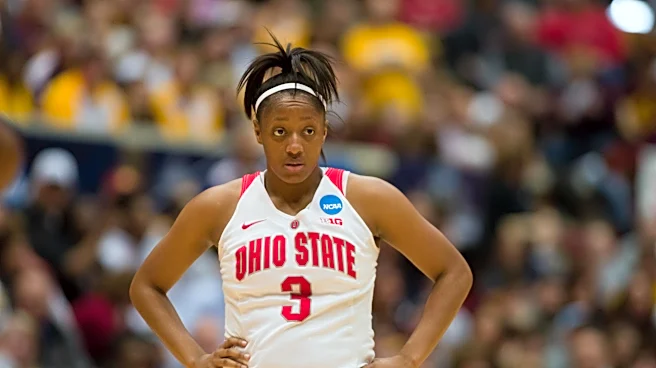
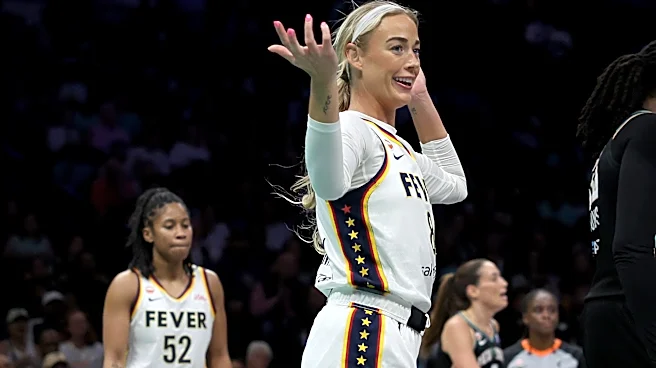
that during a conference, attendees knew of the Indiana Fever but not Mitchell, despite her perceived talent. Rachel DeMita, a former Old Dominion basketball player and WNBA analyst, criticized McCoughtry's remarks as 'disrespectful' and 'unnecessary,' arguing that they 'completely lost the plot.' DeMita emphasized that major brands market players like Clark, Breanna Stewart, and A'ja Wilson based on their talent and on-court achievements, not solely on looks. Robin Lundberg, another WNBA analyst, countered McCoughtry's claim by stating that Clark's limelight has significantly increased Mitchell's recognition.
Why It's Important?
This debate highlights a sensitive and ongoing discussion within professional sports, particularly women's leagues, regarding marketability, media representation, and perceived biases. McCoughtry's comments, and the subsequent reactions, bring to the forefront concerns about how female athletes are valued and promoted, and whether factors beyond athletic performance, such as appearance, play an undue role. This conversation is crucial for the WNBA as it strives for broader recognition and equitable treatment of its athletes. It impacts how players are perceived by fans, how endorsement deals are structured, and ultimately, the financial and public success of individual athletes and the league as a whole. The disagreement underscores the complexity of building a fanbase and marketing strategies in a competitive sports landscape.
What's Next?
The discussion initiated by Angel McCoughtry's comments is likely to continue within WNBA circles, among fans, and in sports media. This could lead to further dialogue about the league's marketing strategies, the criteria for player promotion, and the role of media in shaping public perception of athletes. The WNBA and its teams may face increased scrutiny regarding their efforts to promote all players equitably, regardless of their public image or perceived marketability. This conversation could also prompt players, agents, and brands to re-evaluate how they approach endorsements and public relations, potentially leading to more diverse and inclusive marketing campaigns that focus on athletic prowess and individual achievements.
Beyond the Headlines
The underlying issue in this debate extends beyond individual player comparisons to the broader societal implications of beauty standards in professional sports. McCoughtry's remarks, whether intended or not, touch upon the persistent challenge of sexism and superficiality that can affect female athletes' careers and public image. It raises questions about whether the sports industry, and society at large, still struggles to fully appreciate women's athletic achievements without imposing external, often gendered, criteria. This conversation could serve as a catalyst for deeper introspection within the WNBA and other women's sports organizations about fostering an environment where talent and hard work are unequivocally the primary drivers of success and recognition, free from appearance-based judgments.