



What's Happening?
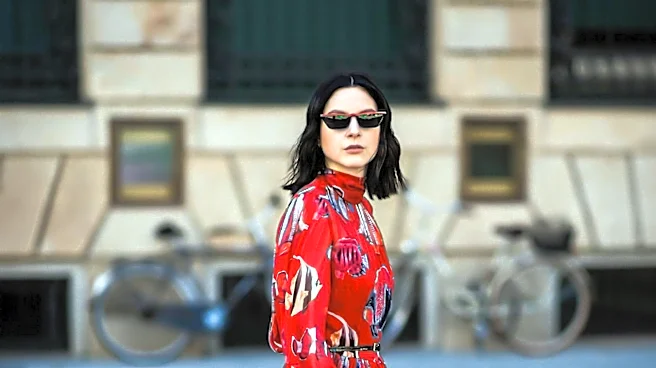
Fashion influencers such as Chiara Ferragni, Camille Charriere, Sabina Socol, and Amina Muaddi are significantly impacting global fashion trends from Paris, the world's fashion capital. These individuals curate visual content that inspires their audiences'
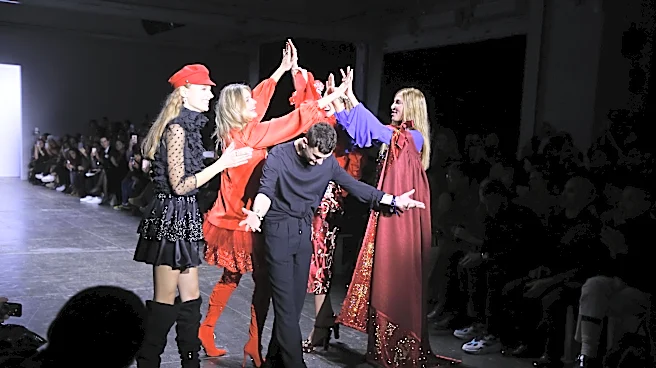
clothing choices, lifestyles, and beauty product selections. They are instrumental in showcasing upcoming trends and frequently collaborate with designers, brands, and fashion houses. Chiara Ferragni is recognized for blending high fashion with casual European style, offering valuable insights into runway trends. Camille Charriere is known for her chic looks that combine Parisian elegance with modern street style. Sabina Socol provides a youthful perspective on Parisian fashion, with a focus on sustainability that resonates with eco-conscious consumers. Amina Muaddi, as both a designer and influencer, has redefined luxury footwear through her unique blend of Italian and Middle Eastern styles. These influencers offer authenticity, diversity, and immediate access to emerging trends, connecting their followers to the core of global fashion.
Why It's Important?
The influence of these fashion figures is crucial for the U.S. fashion industry and consumers. Their curated content acts as a tastemaker, directly influencing purchasing decisions and shaping consumer preferences across various demographics. For U.S. brands, collaborating with such influencers can provide significant exposure and market penetration, as these individuals have established trust and engagement with their followers. The emphasis on sustainability by influencers like Sabina Socol can also drive demand for eco-conscious products in the U.S. market, pushing brands towards more ethical production practices. Furthermore, the immediate access to trends provided by these influencers means that U.S. retailers and designers can quickly adapt to global shifts, maintaining competitiveness. Consumers benefit from diverse style inspirations and early insights into fashion developments, allowing them to stay current with global trends. The authenticity and diverse perspectives offered by Parisian influencers also contribute to a richer and more varied fashion landscape in the U.S.
What's Next?
The role of fashion influencers is expected to continue evolving, with increased integration into brand marketing strategies and product development. Brands will likely seek deeper collaborations, moving beyond simple endorsements to co-creation of products and collections. The focus on authenticity and sustainability will probably intensify, leading influencers to champion brands that align with these values, thereby influencing consumer demand for ethically produced and environmentally friendly fashion. The use of social media platforms like Instagram and TikTok will remain central for engagement, with influencers exploring new content formats and interactive experiences to connect with their audiences. We may also see a rise in localized influencer strategies, where global trends are adapted and promoted by regional influencers to better resonate with specific U.S. consumer segments. The continuous evolution of digital tools and AI in influencer marketing will also enable more targeted and effective campaigns, further solidifying the impact of these fashion tastemakers.
Beyond the Headlines
Beyond their immediate impact on trends and sales, fashion influencers contribute to broader cultural shifts. Their platforms often serve as spaces for discussions on body positivity, diversity, and ethical consumption, challenging traditional beauty standards and promoting inclusivity within the fashion industry. The rise of influencer culture also highlights a democratization of fashion, where access to style inspiration is no longer solely dictated by traditional media outlets but is shaped by individuals with direct connections to their audiences. This shift can empower smaller, independent designers and brands to gain visibility, fostering innovation and competition. However, it also raises questions about the commercialization of personal style and the potential for consumerism driven by aspirational lifestyles. The ethical implications of sponsored content and the transparency of influencer-brand relationships will remain ongoing discussions, shaping regulatory frameworks and consumer trust in the digital age.