





What's Happening?
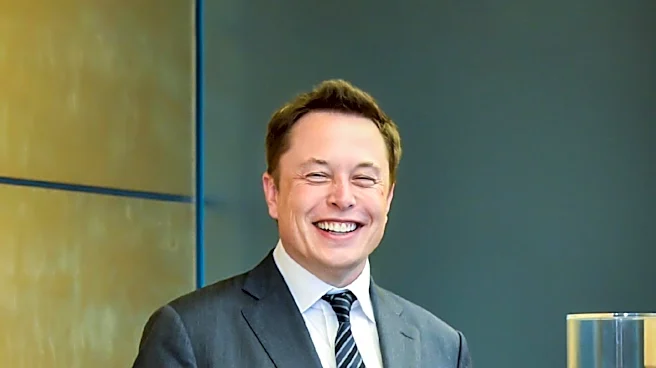
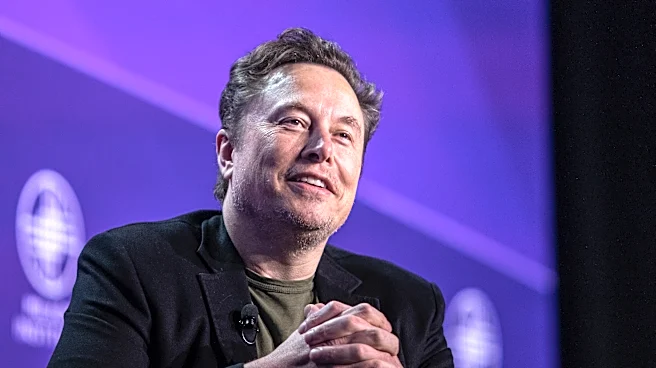
SpaceX CEO Elon Musk announced that the company has completed the design of a miniature rooftop cell tower intended to improve mobile phone coverage and eliminate dead zones, particularly inside buildings where Starlink satellite signals struggle to penetrate.
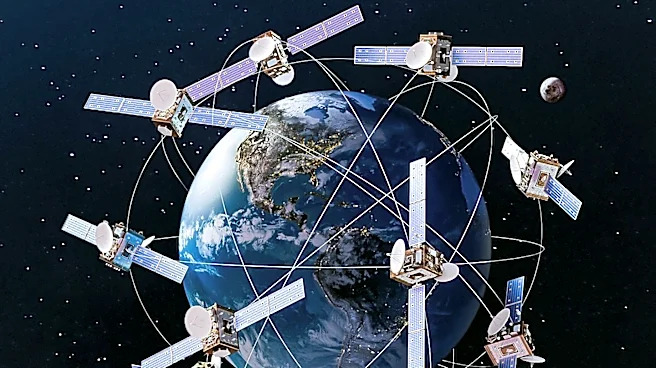
These 'micro cell towers,' described as similar in size to a Starlink dish, are expected to begin production in 2027. This initiative is part of SpaceX's broader strategy to provide ubiquitous access to connectivity, including direct-to-phone services. The company has been acquiring wireless spectrum, including a $17 billion deal with EchoStar in 2025 and an $8 billion portfolio acquisition this year, following FCC approval in 2024 to offer direct-to-phone Starlink services in partnership with T-Mobile. The upcoming Direct-to-Cell V2 satellite constellation, launching next year, is also designed to increase bandwidth 40-fold.
Why It's Important?
This development by SpaceX could significantly impact the telecommunications landscape by addressing a persistent problem of cell phone dead zones, especially in rural or signal-obstructed areas. By combining satellite connectivity with terrestrial mini cell towers, SpaceX aims to offer a more comprehensive and reliable mobile service. This could increase competition within the wireless industry, potentially pushing traditional telecom companies to innovate their own coverage solutions. For consumers, it promises improved connectivity in previously underserved locations, enhancing safety and access to information. The strategy also highlights SpaceX's ambition to become a major player in global connectivity, leveraging its satellite infrastructure to complement terrestrial networks.
What's Next?
Production of these miniature cell towers is slated to begin in 2027, with potential bundling alongside Starlink terminals. The launch of the Direct-to-Cell V2 satellite constellation next year will further enhance the bandwidth capabilities of SpaceX's direct-to-phone service. While Elon Musk has a history of ambitious timelines, the progress in design indicates a tangible step towards deployment. The success of this hybrid cellular-satellite network will depend on its ability to seamlessly integrate with existing mobile devices and provide consistent service. Industry observers will be watching to see how traditional telecom providers like AT&T and Verizon react to this new competitive pressure and whether they will seek partnerships or develop similar solutions.
Beyond the Headlines
SpaceX's venture into eliminating cell phone dead zones has broader implications for digital inclusion and the future of connectivity. By providing reliable service in remote or difficult-to-reach areas, it could bridge the digital divide for many communities. Elon Musk also speculates that future demand for bandwidth will be driven primarily by artificial intelligence and robots, suggesting a long-term vision where ubiquitous connectivity is essential not just for human communication but for advanced technological ecosystems. This perspective hints at a future where network infrastructure is designed to support a vast array of AI-driven applications and autonomous systems, fundamentally changing how we perceive and utilize global networks. The ethical considerations around data privacy and security in such an expansive and integrated network will also become increasingly important.