
What's Happening?
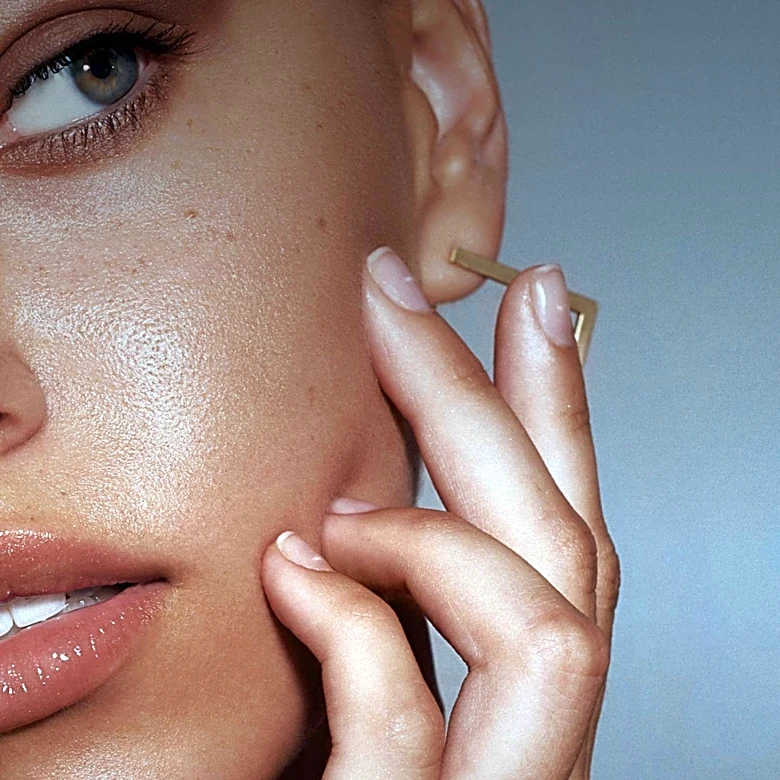
The beauty industry is witnessing a growing trend called 'skinimalism,' which advocates for a simplified skincare and makeup approach. This movement encourages individuals to embrace their natural skin features, including imperfections like pores, acne
scars, and freckles, rather than concealing them. Influenced heavily by social media platforms such as TikTok and Instagram, skinimalism promotes a 'no-makeup makeup' look, clean-girl beauty, and a 'lit-from-within' aesthetic. The core principle involves using only essential skincare products like cleanser, moisturizer, and sunscreen, and incorporating targeted treatments sparingly. This shift is partly a reaction to previous trends that promoted extensive, multi-step routines and the overuse of active ingredients, which often led to skin irritation and damage. The trend aims to make beauty more accessible and personal, moving away from the idea that more products equate to better skin.
Why It's Important?
The rise of skinimalism signifies a notable shift in consumer behavior within the U.S. beauty market. For consumers, it offers a more sustainable and cost-effective approach to beauty, reducing the financial burden and environmental impact associated with purchasing numerous products. This trend challenges the long-standing marketing strategies of beauty companies that have historically pushed for extensive product lines and complex routines. Companies may need to adapt by focusing on multi-functional products, high-quality essentials, and transparent ingredient lists to cater to this demand for simplicity and efficacy. The emphasis on natural skin also promotes a healthier body image and reduces pressure to achieve an 'ideal' flawless complexion, which can have positive societal implications. Furthermore, the trend's popularity on social media highlights the significant influence of digital platforms in shaping beauty standards and consumer choices, compelling brands to engage more authentically with online communities.
What's Next?
As skinimalism continues to gain momentum, beauty brands are likely to respond by innovating their product offerings. This could include developing more concentrated, multi-purpose formulas that deliver multiple benefits with fewer steps. There may also be an increased focus on sustainable packaging and ethically sourced ingredients, aligning with the minimalist and conscious consumer values. Retailers might adjust their merchandising strategies to highlight essential and 'clean' beauty products. Educational content from beauty influencers and brands will likely shift towards teaching consumers how to identify their skin's true needs and build effective, simple routines. We can also anticipate a continued decline in the popularity of overly complex skincare regimens and heavy makeup looks, with a sustained emphasis on skin health and natural radiance.
Beyond the Headlines
Beyond its immediate impact on product development and consumer habits, skinimalism reflects a broader cultural movement towards authenticity and self-acceptance. In an era dominated by curated online personas, this trend encourages a more realistic portrayal of beauty, fostering a sense of liberation from unattainable standards. It also raises ethical questions for the beauty industry regarding its historical promotion of excessive consumption and the potential psychological impact on consumers. The focus on 'less is more' could lead to a re-evaluation of what constitutes 'luxury' in beauty, shifting from elaborate routines to the efficacy and purity of a few well-chosen products. This philosophical underpinning suggests a long-term cultural shift where personal well-being and genuine skin health are prioritized over superficial perfection, potentially influencing other lifestyle sectors to adopt similar minimalist principles.