




What's Happening?
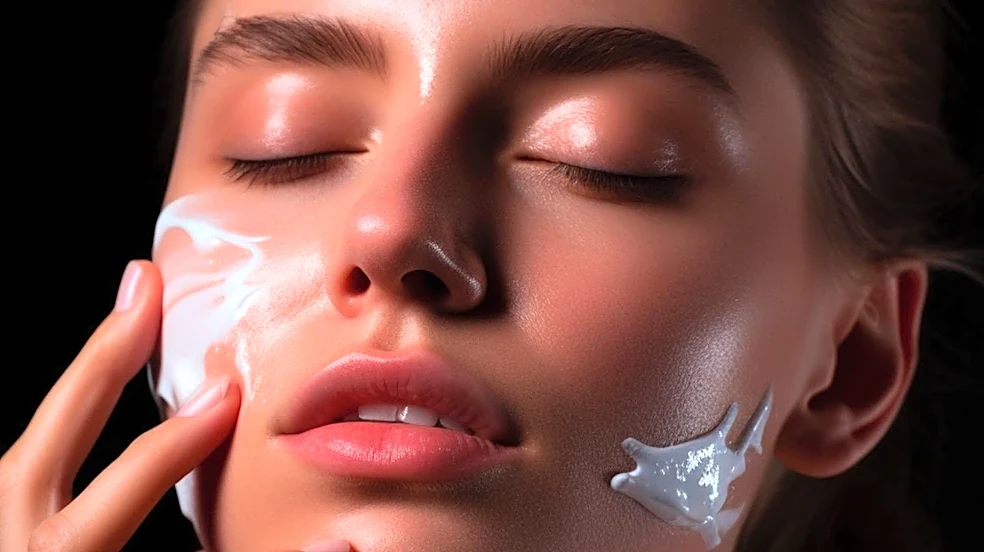
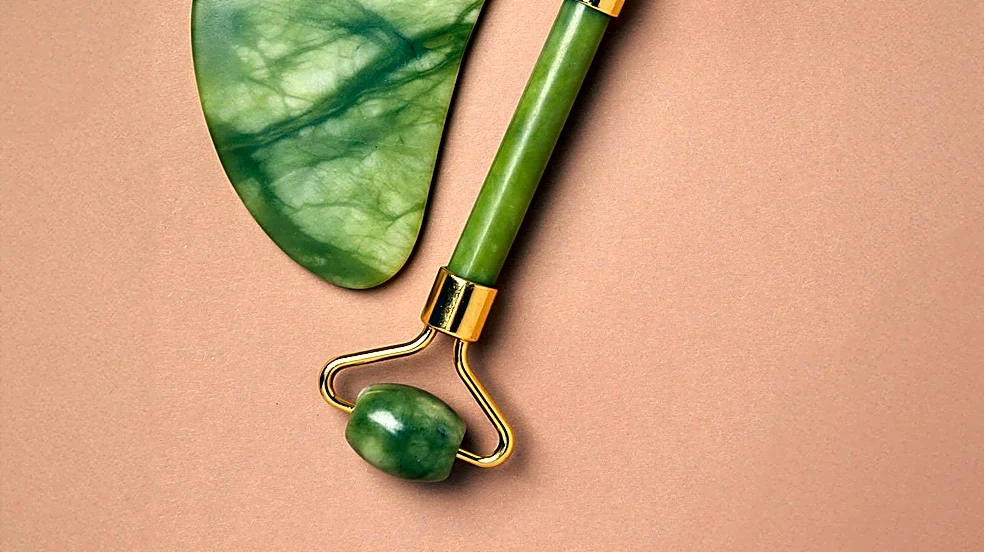
Various gua sha tools, crafted from materials such as sandalwood, crystal, stainless steel, and golden quartz, are being utilized for facial massage. These tools are designed to stimulate lymphatic drainage, reduce puffiness, and enhance local blood circulation.
The market offers a range of these tools, with some featuring multi-functional designs, such as 4-in-1 tools that cater to eye, nose, and jawline sculpting, as well as body lymphatic drainage and scalp massage. The ergonomic designs often include V-shaped ends for nose massage and curved edges for gliding across cheeks and jawlines. The use of natural materials like sandalwood is highlighted for its smooth, unpainted surface and soothing woody scent, while crystal gua shas are noted for their smooth, handheld properties. These tools are presented as a means to improve skin firmness and reduce swelling, particularly when used with serums or oils to increase absorption.
Why It's Important?
The growing interest in gua sha tools reflects a broader trend in the U.S. towards holistic skincare and non-invasive beauty treatments. Consumers are increasingly seeking natural and at-home solutions for skin health and aesthetic concerns, moving away from more aggressive or clinical procedures. This shift impacts the beauty and wellness industry, driving demand for products that promise benefits like lymphatic drainage, reduced puffiness, and improved circulation without significant downtime or cost. The emphasis on natural materials and ergonomic designs also caters to a consumer base that values product quality and user experience. For businesses, this trend creates opportunities for innovation in tool design, material sourcing, and marketing strategies that highlight wellness and self-care. The accessibility and ease of use of these tools make them appealing to a wide demographic, potentially expanding the market for facial massage and sculpting products.
What's Next?
The market for facial sculpting tools is likely to see continued innovation and diversification. Manufacturers may explore new materials, advanced ergonomic designs, and integrated technologies to enhance the effectiveness and user experience of gua sha tools. There could be an increase in educational content and workshops focusing on proper gua sha techniques to maximize benefits and prevent misuse. As consumer awareness grows, there may also be a demand for more scientific research to validate the efficacy of these tools for lymphatic drainage and skin improvement. Retailers will likely expand their offerings to include a wider variety of gua sha tools, potentially leading to increased competition and more specialized products tailored to specific skin concerns or preferences. The integration of these tools into broader wellness routines, alongside other skincare products, is also a probable development.
Beyond the Headlines
The popularity of gua sha tools taps into a deeper cultural appreciation for ancient wellness practices and a desire for self-care rituals. Originating from traditional Chinese medicine, gua sha is more than just a beauty trend; it represents a connection to historical healing methods. This resurgence highlights a growing skepticism towards overly processed or chemical-laden beauty products and a preference for natural, mindful approaches to health and beauty. The act of facial massage with these tools can also offer psychological benefits, such as stress reduction and a sense of well-being, contributing to a holistic approach to self-care. This trend could influence other sectors, encouraging the adoption of traditional practices in modern wellness routines and fostering a greater appreciation for diverse cultural health traditions within the U.S. beauty landscape.