


What's Happening?
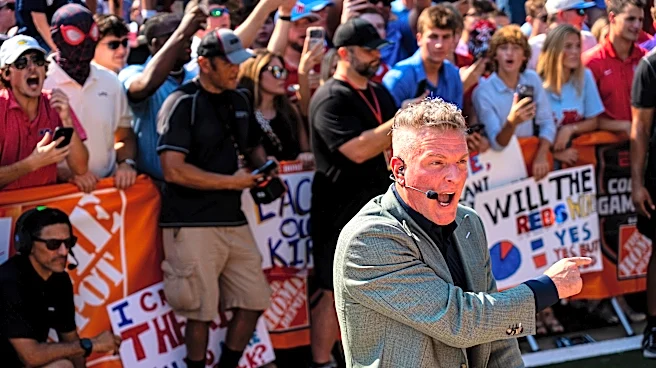
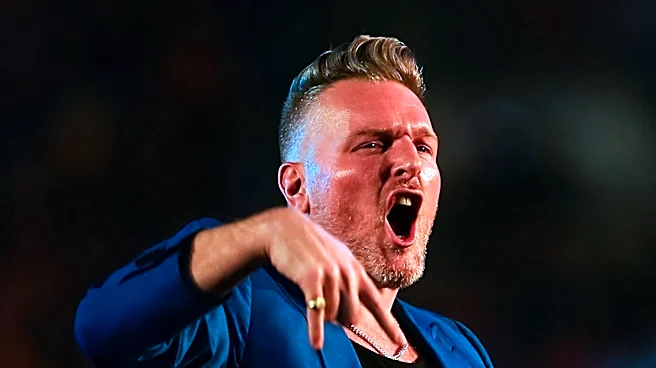
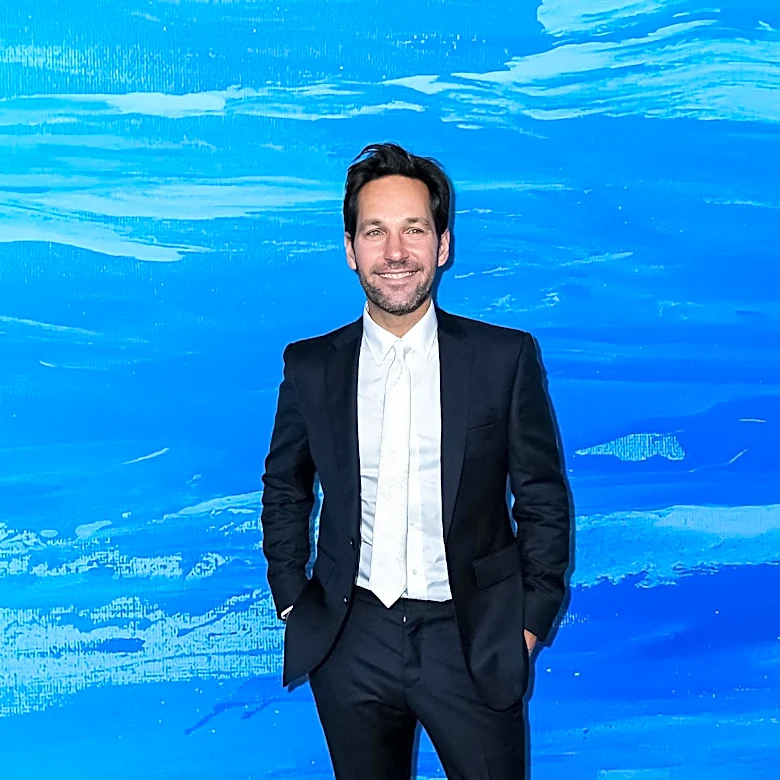
Pat McAfee, host of 'The Pat McAfee Show,' revealed he turned down an invitation from '60 Minutes' for a feature, citing concerns about fair treatment and declaring a permanent boycott of media outlets seeking to profile him. This announcement follows
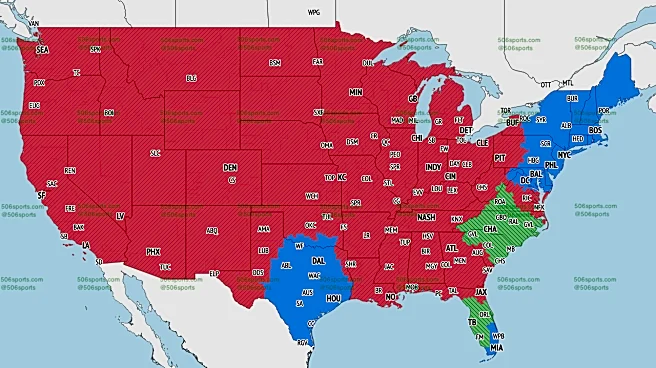
a contentious weekend for McAfee during a 'College GameDay' visit to the University of Utah. He expressed significant discomfort regarding a social media video posted by the university, which featured students making impressions of him, with some calling him 'corny' or 'creepy.' McAfee suggested the university's post amplified negative sentiment and potentially jeopardized his safety, referencing a past fatal shooting at a Utah college. Both ESPN and the University of Utah have since issued statements, with Utah apologizing and removing the video, and ESPN expressing support for McAfee's safety concerns. McAfee also voiced dissatisfaction with the NFL's scheduling, urging more aggressive flexing of 'Sunday Night Football' matchups.
Why It's Important?
McAfee's decision to boycott media and his public grievances against the University of Utah highlight growing tensions between prominent sports media personalities and traditional news organizations, as well as the institutions they cover. His actions could influence how other public figures engage with media, potentially leading to more controlled narratives and fewer in-depth profiles from established news programs like '60 Minutes.' The incident with the University of Utah also underscores the delicate balance universities must strike in their social media engagement, particularly when hosting national broadcasts and high-profile personalities. The university's apology and ESPN's support for McAfee demonstrate the significant influence and leverage that popular media figures now wield, even in response to seemingly minor criticisms. This event could set a precedent for how universities and media organizations handle similar situations in the future, emphasizing the need for careful consideration of content that could be perceived as critical or inflammatory by talent.
What's Next?
The immediate aftermath of McAfee's statements has seen the University of Utah remove the controversial video and issue an apology, while ESPN has publicly backed its host. It remains to be seen if McAfee will maintain his 'permanent boycott' of media outlets or if this stance will evolve. The incident may prompt other universities and media organizations to review their social media policies and engagement strategies when interacting with high-profile personalities. The broader sports media landscape will likely continue to debate the implications of McAfee's actions, particularly regarding the balance between humor, criticism, and perceived safety. His call for the NFL to consider more schedule changes could also put pressure on the league to re-evaluate its flexibility in programming, especially for prime-time slots, to ensure more compelling matchups for viewers.
Beyond the Headlines
This incident delves into the evolving dynamics of media consumption and personality-driven content. McAfee's strong reaction to student impressions, coupled with his reference to a past violent event, raises questions about the boundaries of public commentary and the responsibilities of both content creators and institutions in fostering a safe environment. The situation also highlights a generational shift in how public figures perceive and react to criticism, particularly in the age of social media where direct and unfiltered feedback is constant. The perceived 'softness' attributed to McAfee by some critics, contrasted with the official apologies from a university and a major network, suggests a complex interplay of influence, perceived victimhood, and the power of individual platforms. This event could contribute to a broader discussion about media literacy, the impact of online content, and the expectations placed on public figures in an increasingly scrutinized digital world.