




What's Happening?
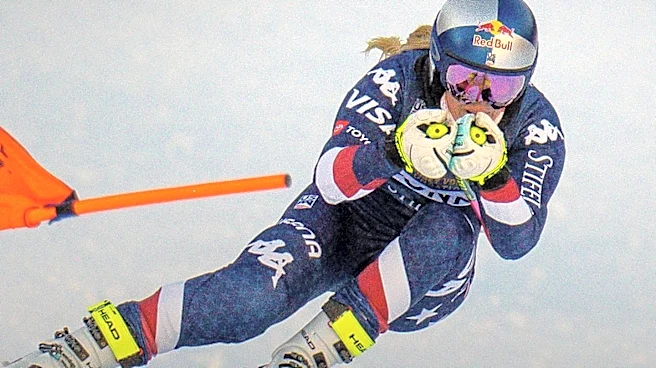
U.S. Ski & Snowboard (USSS) is initiating a record season for hosting International Ski and Snowboard Federation (FIS) events, marked by new sponsorships and a revamped media agreement. The Stifel Killington Cup presented by Dunkin' in Killington, Vermont,
is the first of 14 FIS World Cups the national governing body will host this season, more than double the number from four years ago. This expansion reflects USSS's increased international role, resorts' willingness to host, and growing commercial interest in the sport. CEO Sophie Goldschmidt stated that this strategic move has significantly elevated their commercial program, offering brands more opportunities to engage in the U.S. and enhancing broadcast exposure for domestic events. The organization has over 20 sponsors, including recent additions like Dick's Sporting Goods and renewals with Toyota and Outside. Additionally, NBC Sports has revamped its media deal with USSS and FIS to air every alpine World Cup and World Championship race, alongside expanded coverage of domestic events. USSS and FIS are also launching YouTube and FAST channels, both named 'Ski & Snowboard World Cup,' to broadcast all events throughout the season.
Why It's Important?
This expansion of FIS events and media coverage is crucial for the growth and visibility of skiing and snowboarding in the United States. The increased number of domestic World Cups provides more opportunities for U.S. athletes to compete on home soil, potentially boosting their performance and public recognition. The enhanced media deal with NBC Sports, coupled with the launch of dedicated YouTube and FAST channels, significantly improves accessibility for fans, which could lead to higher audience figures and ratings. This broader reach is vital for attracting new fans and retaining existing ones, thereby strengthening the sport's commercial viability. The influx of new and renewed sponsorships underscores a growing corporate interest in winter sports, providing essential financial backing for USSS programs and athlete development. This commercial momentum helps USSS transcend its traditional niche, appealing to a more casual sports fan base and associating the brand with a broader lifestyle, while still maintaining its focus on high performance and podium results.
What's Next?
The immediate next step is the successful execution of the 14 FIS World Cups scheduled for this season, starting with the Stifel Killington Cup. USSS will be closely monitoring audience figures and ratings on NBC Sports, YouTube, and the FAST channel to assess the impact of the expanded media coverage. The organization plans to announce additional new sponsors throughout the winter, further solidifying its commercial partnerships. The introduction of new teams in freeride skiing and Para Nordic, with freeride skiing now an Olympic discipline, indicates a strategic focus on diversifying and expanding competitive opportunities. The YETI Snowbird Pro presented by Stifel in March will be a key event in rounding out the season's record run. USSS leadership, as expressed by CEO Sophie Goldschmidt, emphasizes a commitment to continuous improvement and avoiding complacency, suggesting ongoing efforts to enhance the sport's appeal and operational efficiency.
Beyond the Headlines
The strategic shift by U.S. Ski & Snowboard to host more domestic FIS events and expand media accessibility reflects a broader trend in sports organizations to maximize commercial opportunities and engage a wider audience. By making events easier to watch through traditional broadcasters and new digital platforms like YouTube and FAST channels, USSS is adapting to evolving media consumption habits. This approach not only benefits the sport financially through increased sponsorship and advertising revenue but also democratizes access to winter sports content, potentially inspiring a new generation of athletes and fans. The emphasis on connecting with a 'casual sports fan' and associating with a 'lifestyle' brand suggests a deliberate effort to move beyond the core enthusiast base, aiming for mainstream appeal. This could lead to increased participation in skiing and snowboarding at all levels, from recreational to competitive, and foster a stronger national identity around winter sports culture. The integration of new disciplines like freeride skiing also highlights an adaptive strategy to align with global trends and Olympic developments, ensuring the sport remains relevant and exciting.