






What's Happening?
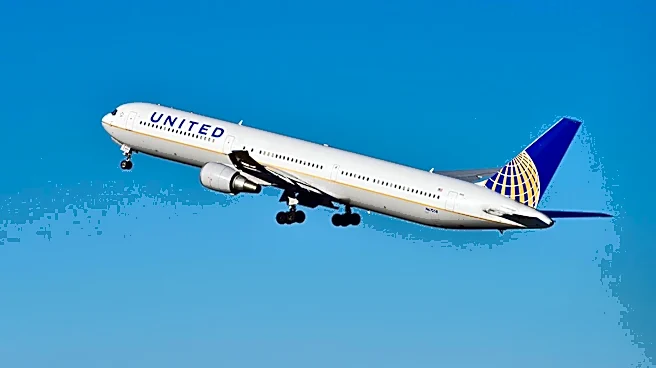
United Airlines CEO Scott Kirby is spearheading a strategic initiative to transform the airline into a globally recognized premium carrier, comparable to international luxury airlines like Emirates or Singapore Airlines. This vision moves beyond domestic
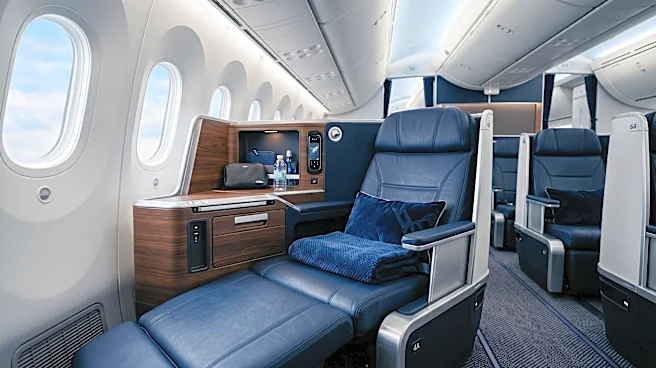
profitability, aiming to establish United as a source of national pride on international routes. Kirby's strategy, termed 'de-commoditizing' air travel, focuses on enhancing the customer experience through four key operational pillars: significant product upgrades, improved operational reliability, technology-first flying, and fostering a strong service culture. These upgrades include modernizing interiors, installing seatback entertainment, and rolling out free high-speed Starlink Wi-Fi for MileagePlus members. The goal is to encourage passengers to choose United for its superior experience rather than solely on price.
Why It's Important?
This ambitious transformation has significant implications for the U.S. aviation industry and its competitive landscape. If successful, United could reclaim a larger share of the long-haul international traffic that has historically been dominated by foreign carriers. This shift could elevate the standard of service across U.S. airlines, potentially prompting competitors like American and Delta to accelerate their own product and service enhancements. For U.S. travelers, it promises a more luxurious and efficient flying experience, particularly on international routes. However, the challenge lies in consistently delivering premium hospitality across a massive operation, which has historically been a hurdle for large domestic carriers. The investment required is substantial, and the ability to maintain this elevated service level will be critical to its success and long-term impact on customer loyalty and market share.
What's Next?
United Airlines will continue to implement its strategy through ongoing capital investments in product upgrades, technology integration, and employee training to cultivate a premium service culture. The airline's aggressive international expansion and efforts to establish itself as America's primary global connector will be closely monitored. The success of these initiatives will depend on United's ability to overcome the 'soft-product gap'—delivering consistent, top-tier cabin hospitality and dining—which is often harder to achieve than hardware upgrades. Competitors will likely observe United's progress, potentially adjusting their own strategies in response. The airline's financial performance and customer satisfaction metrics in the coming years will provide key insights into the effectiveness of Kirby's vision.
Beyond the Headlines
Kirby's strategy represents a fundamental re-evaluation of the value proposition in air travel, moving away from a price-driven commodity model towards an experience-driven luxury model. This shift could have broader cultural implications, fostering a renewed sense of pride in U.S. flag carriers on the global stage. It also highlights the increasing importance of technology, such as Starlink Wi-Fi, in enhancing the passenger experience and creating competitive advantages. The challenge of transforming a large, established airline into a boutique-like luxury service raises questions about organizational agility and the ability to instill a consistent service ethos across a diverse workforce. The outcome could influence how other industries approach customer experience in a competitive global market.