




What's Happening?
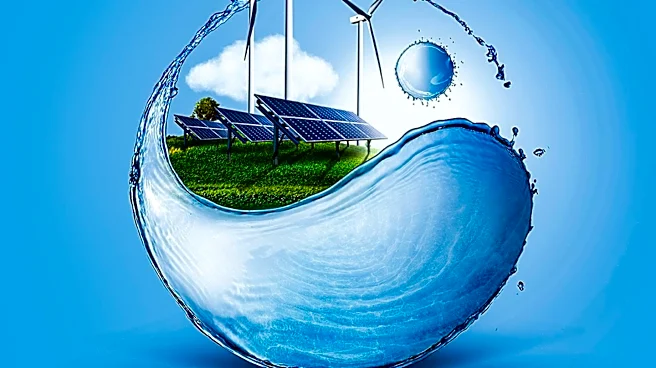
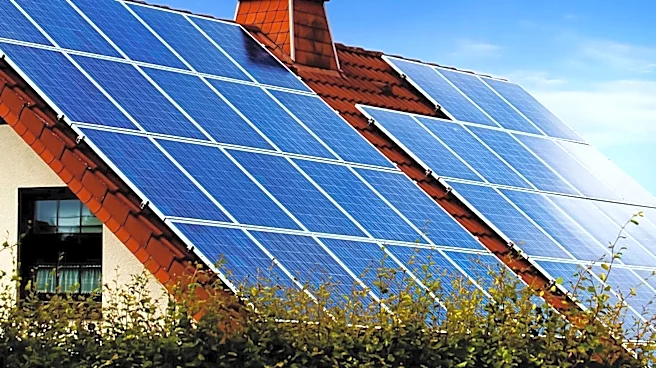
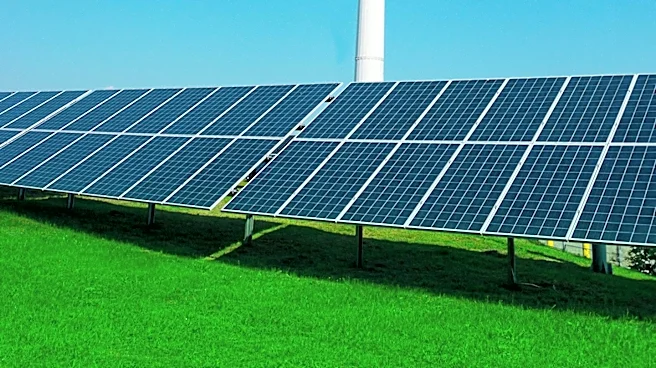
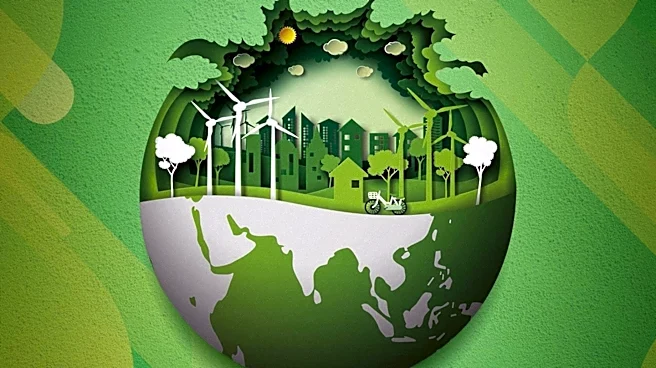
The Fast-Moving Consumer Goods (FMCG) sector is increasingly focusing on sustainability by optimizing manufacturing processes and supply chains. Companies like Unilever have reported significant reductions in greenhouse gas emissions by transitioning
to renewable energy and improving energy efficiency in manufacturing facilities. The sector is also adopting sustainable sourcing practices, such as using certified materials like RSPO-certified palm oil, to protect ecosystems and secure supply chains. Additionally, FMCG companies are redesigning packaging to reduce environmental impact, moving towards a circular economy model that minimizes waste and reliance on virgin plastics.
Why It's Important?
The FMCG sector's shift towards sustainability is crucial in reducing the industry's environmental footprint. By adopting renewable energy and sustainable sourcing, companies can mitigate climate risks and enhance their resilience against regulatory changes. This transition not only benefits the environment but also aligns with consumer demand for more sustainable products. As global regulations tighten, companies that prioritize sustainability are likely to gain a competitive advantage, building future-proof supply chains that can adapt to evolving market conditions.
What's Next?
As sustainability becomes a core operational goal, FMCG companies will continue to innovate in areas like green logistics and circular packaging. The sector may see increased collaboration with stakeholders to develop industry-wide standards and best practices. Companies will need to invest in technology and infrastructure to support these initiatives, potentially leading to new partnerships and business models. The ongoing focus on sustainability is expected to drive further advancements in reducing carbon emissions and enhancing resource efficiency across the FMCG supply chain.