



What's Happening?
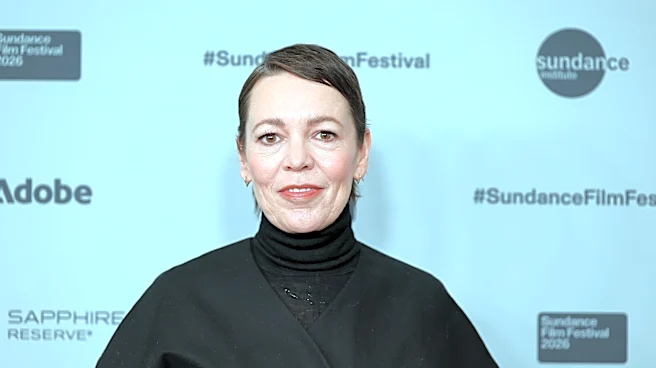
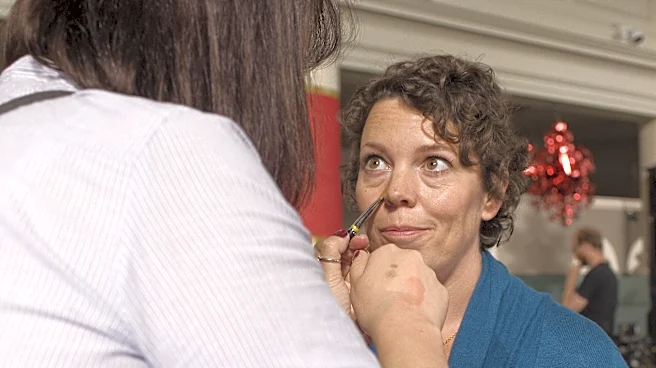
Olivia Colman's latest film, 'Wicker,' a folk-horror romance, is drawing significant attention to woven furniture and accessories. The movie features Colman as a lovelorn fisherwoman who commissions a local basket weaver to create a wicker husband, played
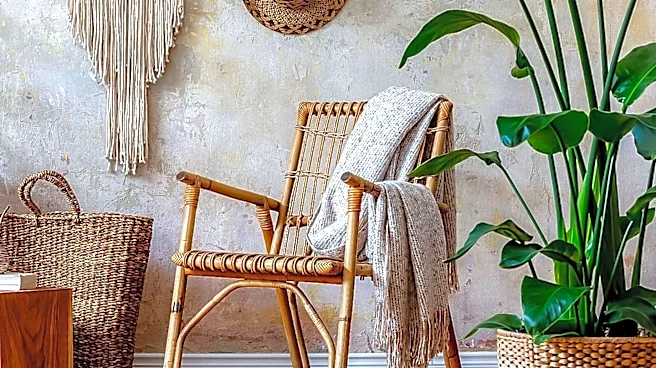
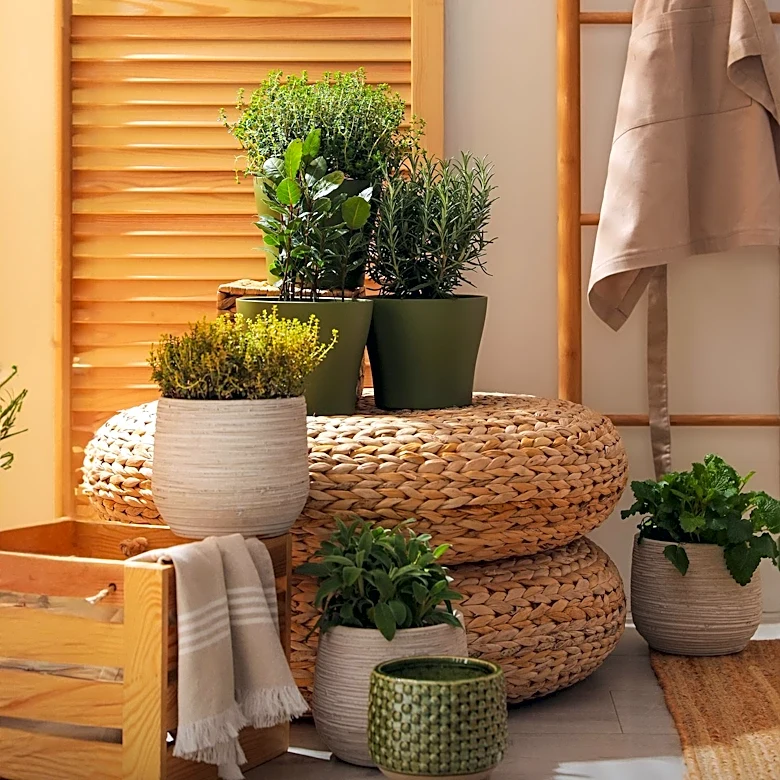
by Alexander Skarsgård. This narrative has inadvertently placed wickerwork and natural materials like rattan, jute, and bamboo in the spotlight, influencing interior design trends. The film's premise, while unconventional, highlights the character and timeless appeal of woven pieces. Interior designers and trend experts note a growing appreciation for natural materials that bring texture and warmth into living spaces, aligning with biophilic design principles and a desire for craftsmanship and authenticity. The film's release coincides with a broader movement towards incorporating natural elements into home decor, emphasizing durability and connection to nature.
Why It's Important?
The film's impact extends beyond entertainment, influencing consumer trends in home furnishings and interior design. The renewed interest in wicker and other natural woven materials reflects a shift in consumer preferences towards sustainable, authentic, and textured home decor. This trend benefits industries involved in producing and selling rattan, jute, bamboo, and willow products, from furniture manufacturers to artisanal craftspeople. It also underscores the power of popular culture, specifically film, to shape aesthetic tastes and drive market demand for specific product categories. The emphasis on 'practical beauty' and enduring objects suggests a move away from fast-changing trends, potentially fostering a more sustainable approach to home decorating. This cultural shift could lead to increased investment in natural material sourcing and traditional weaving techniques, impacting supply chains and local economies that specialize in these crafts.
What's Next?
Following the film's release and the subsequent buzz around wicker, it is anticipated that there will be a surge in demand for woven furniture and decorative items. Interior design publications and retailers are likely to feature wicker-inspired collections and biophilic design concepts more prominently. Consumers may seek out pieces made from rattan, bamboo, and jute, leading to increased sales for brands that offer such products. Designers expect to see more integration of these materials in various forms, from large furniture pieces to smaller accents like trays and lighting. This trend could also encourage innovation in the use of natural materials in design, potentially leading to new applications and styles. The film's influence may also inspire a broader appreciation for craftsmanship and the stories behind handmade items, further boosting the market for artisanal goods.
Beyond the Headlines
The resurgence of wicker and natural materials, partly catalyzed by 'Wicker,' points to deeper cultural and psychological shifts. It reflects a growing desire for comfort, authenticity, and a connection to nature in an increasingly digital and fast-paced world. Biophilic design, which incorporates natural elements to improve well-being, is gaining traction as people seek to create more calming and grounding home environments. The film's narrative, where a character falls in love with a wicker creation, subtly highlights the emotional connection people can form with objects that possess character and craftsmanship. This trend also touches upon ethical considerations regarding sustainable sourcing of natural materials and supporting traditional crafts, potentially fostering a more conscious consumer base that values the origin and environmental impact of their purchases. It suggests a long-term shift towards interiors that prioritize natural textures, warmth, and a sense of history over purely modern or minimalist aesthetics.