




What's Happening?
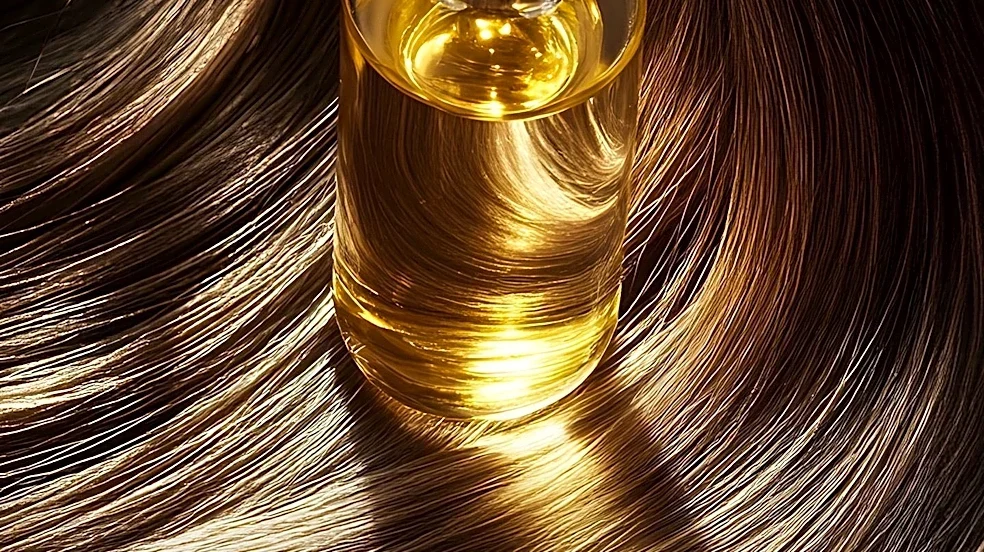
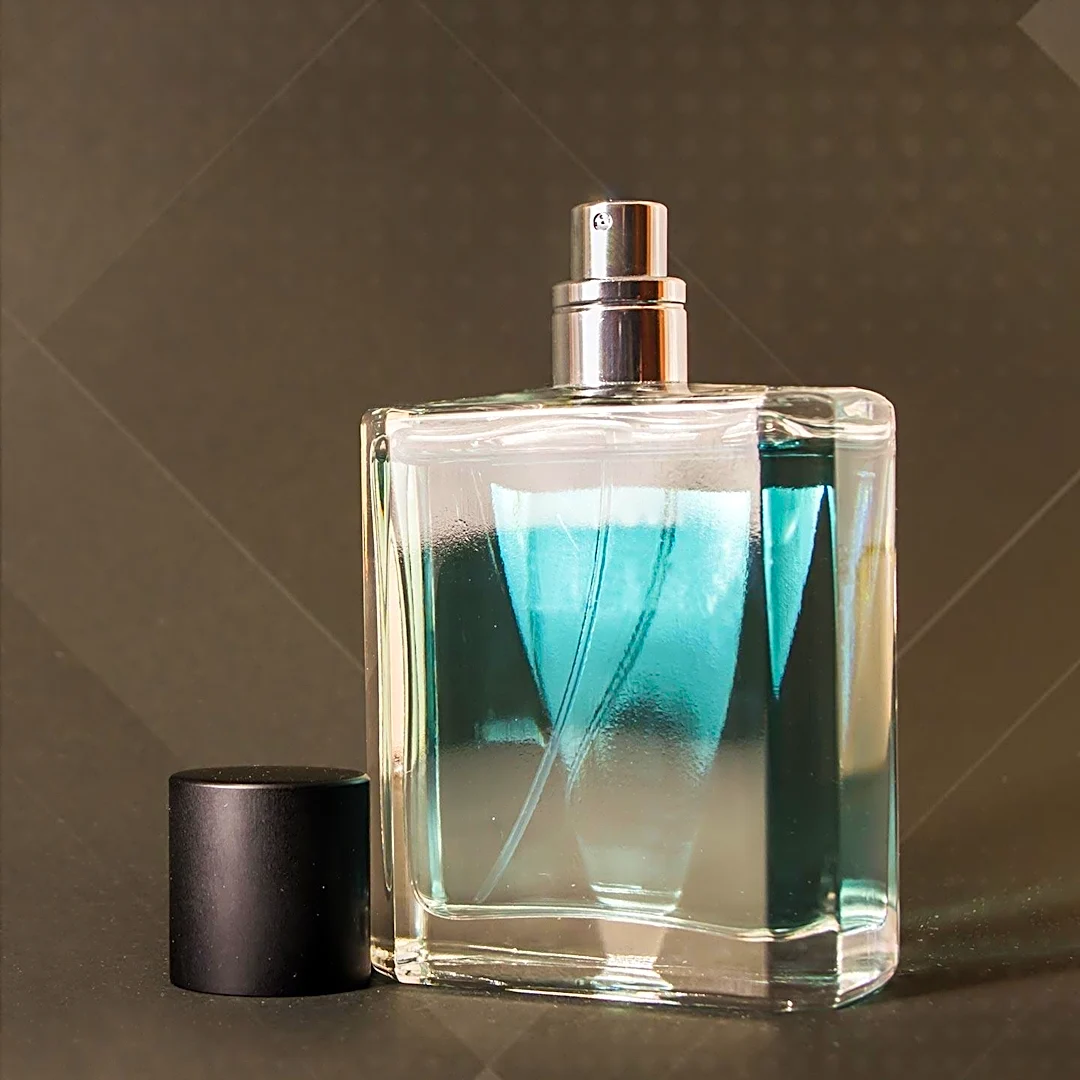
Hair perfume is gaining traction as a specialized fragrance product designed specifically for application to hair. Unlike traditional perfumes, which often contain high concentrations of alcohol that can dry out hair, many hair perfumes are formulated
with conditioning agents, humectants, or oils to improve hair feel and manageability. Its primary purpose is to impart a pleasant scent to the hair, mask unwanted odors between washes, and complement personal fragrances. Hair perfumes come in various forms, including lightweight mists, oil-based fragrances, and scented leave-in products, catering to different hair types and preferences. The effectiveness and longevity of the scent depend on factors such as formula, application amount, hair texture, and environmental conditions.
Why It's Important?
The rise of hair perfume signifies a growing consumer demand for specialized beauty products that address specific needs and concerns. This trend impacts the U.S. beauty market by creating a new product category and expanding the fragrance sector. For consumers, it offers a more hair-friendly alternative to traditional perfumes, potentially reducing dryness and damage. For beauty brands, it presents an opportunity for innovation in formulation, marketing, and product differentiation. Companies can develop hair perfumes with added benefits like conditioning or UV protection, appealing to a broader audience. This also highlights a shift towards more holistic beauty routines where fragrance is integrated into hair care, enhancing the overall sensory experience.
What's Next?
As hair perfume continues to evolve, manufacturers are likely to focus on developing more sophisticated formulations that offer enhanced hair care benefits, such as heat protection, frizz control, or shine enhancement, alongside fragrance. There may be an increase in 'clean' or 'natural' hair perfume options, catering to consumers seeking products with fewer synthetic ingredients. Brands might also explore customizable fragrance options or collaborations with perfumers to create unique scents. Retailers will likely expand their offerings of hair perfumes, making them more accessible to a wider consumer base. Educational campaigns will be crucial to inform consumers about the benefits and proper usage of hair perfume, distinguishing it from traditional body perfumes.
Beyond the Headlines
The emergence of hair perfume reflects a broader cultural emphasis on personal grooming and sensory experiences. It taps into the desire for a subtle, lingering scent that is an integral part of one's overall presentation, rather than an overpowering fragrance. This trend also highlights the increasing sophistication of the beauty consumer, who seeks tailored solutions for different parts of the body. Ethically, brands will need to ensure transparency about ingredients, especially regarding potential allergens or irritants, given that hair perfume is applied directly to the hair and scalp. The development of hair perfume also underscores the continuous innovation within the beauty industry, constantly finding new ways to meet evolving consumer desires for self-expression and well-being.