








What's Happening?
Scott Jensen, founder of Near Zero, a backpacking gear company, shared insights into his philosophy of creating lightweight, practical, and accessible equipment. Jensen's approach to gear design is deeply rooted in his personal experiences, including
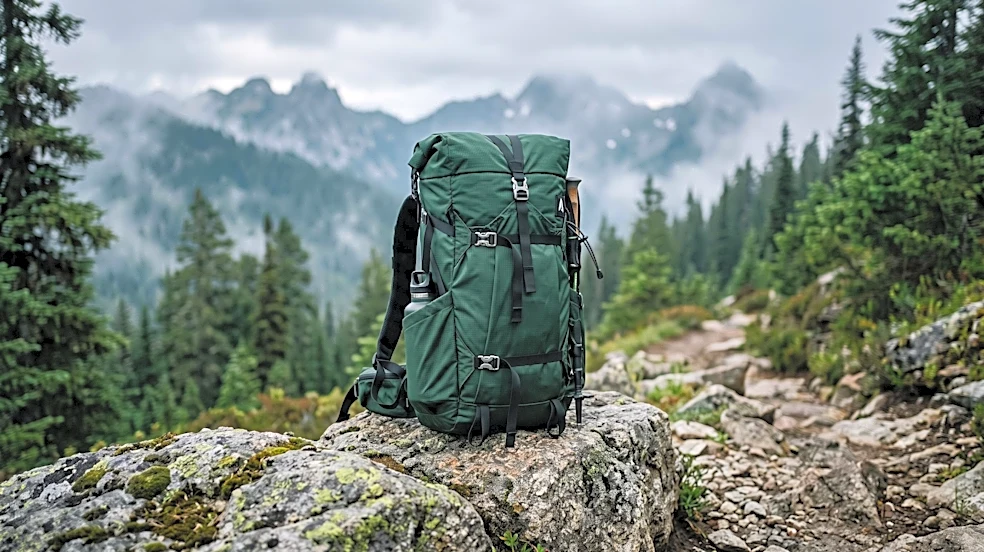
early camping lessons from his father and backpacking trips with his son in the Pacific Northwest. He emphasizes that while reducing pack weight is important, equipment must also be useful and efficient for the user. Jensen's company offers individual products, equipment bundles, and a rental program, aiming to make backpacking more approachable for newcomers. He advises individuals interested in backpacking to assess their existing gear before making new purchases, suggesting upgrades only where they make a meaningful difference. The company's flagship product, the Dean backpack, is named in honor of his late father, who was a dedicated ultralight backpacker and a significant influence on Jensen's passion for the outdoors and gear innovation.
Why It's Important?
This story highlights a significant trend in the outdoor recreation industry: the increasing demand for lightweight, practical, and accessible gear. Near Zero's approach, focusing on both efficiency and user-friendliness, addresses a common barrier for many aspiring backpackers—the high cost and perceived complexity of specialized equipment. By offering rental programs and advising against unnecessary upgrades, Scott Jensen's philosophy promotes a more inclusive and sustainable entry into backpacking. This can broaden the demographic of outdoor enthusiasts, fostering greater appreciation for natural environments. Furthermore, the narrative underscores the powerful influence of personal experience and family legacy in entrepreneurship, particularly in niche markets. The company's commitment to making backpacking more practical and affordable could lead to increased participation in outdoor activities, potentially boosting local economies in areas popular for hiking and camping, and encouraging a healthier, more active lifestyle among a wider segment of the population.
What's Next?
Near Zero is expected to continue developing and refining its product line, focusing on lightweight and efficient gear that caters to a broad range of backpackers. The company's rental program may expand, further lowering the barrier to entry for new enthusiasts and potentially influencing other gear manufacturers to adopt similar models. Scott Jensen's personal goal of returning to regular backpacking trips suggests that future product innovations will likely be informed by ongoing real-world testing and user feedback. The emphasis on practical advice for new backpackers could also lead to more educational content or partnerships aimed at demystifying outdoor gear and techniques. As the outdoor industry evolves, companies like Near Zero, which prioritize accessibility and user experience, are likely to gain traction, potentially inspiring a shift towards more sustainable and community-focused business practices within the sector.
Beyond the Headlines
The narrative of Near Zero extends beyond mere product development to touch upon the deeper cultural and societal values associated with outdoor recreation. Scott Jensen's story is a testament to the enduring power of intergenerational knowledge transfer and the profound impact of personal loss on creative endeavors. The company's mission to make backpacking more accessible speaks to a growing desire for connection with nature and a simpler, more self-reliant lifestyle in an increasingly complex world. By focusing on practical solutions and affordability, Near Zero challenges the perception that outdoor pursuits are exclusively for the affluent or highly experienced. This democratization of backpacking could foster a greater sense of environmental stewardship among a broader population, as more people experience and appreciate natural landscapes. The story also subtly highlights the importance of resourcefulness and engineering in solving everyday problems, translating personal passion into a viable business model that benefits the wider community of outdoor enthusiasts.