


What's Happening?
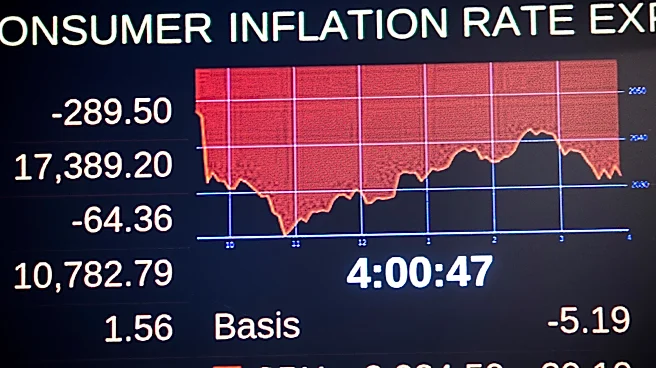
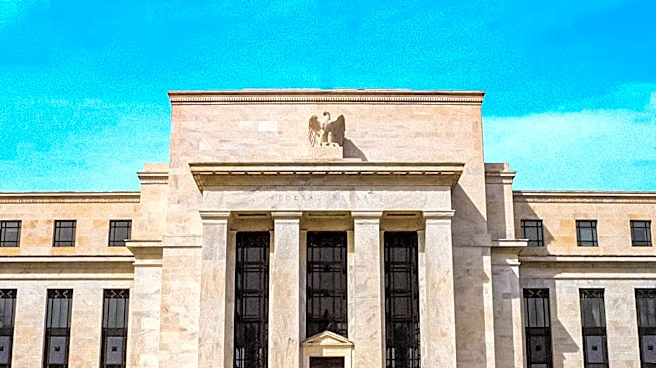
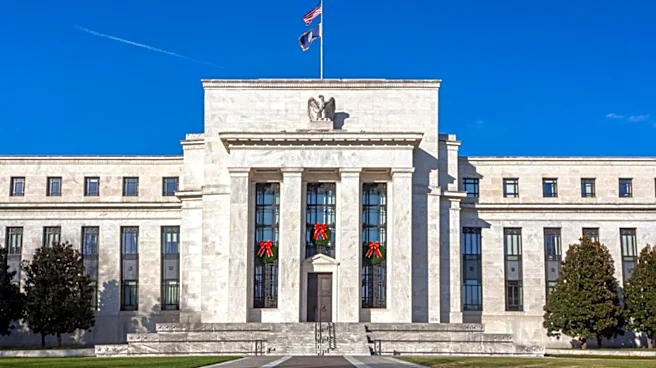
Austan Goolsbee, President and CEO of the Federal Reserve Bank of Chicago, has indicated that he will not rule out a larger interest rate hike in December. This consideration comes as the Federal Reserve continues to grapple with persistent high inflation
readings. Goolsbee's stance suggests that the magnitude of future rate increases will be directly dependent on the trajectory of inflation. His comments highlight the ongoing vigilance of the Federal Reserve in monitoring economic data to determine appropriate monetary policy actions. The central bank's primary goal is to achieve price stability, and Goolsbee's remarks underscore the flexibility and data-dependency of their approach to managing inflation.
Why It's Important?
The potential for a larger interest rate hike by the Federal Reserve carries significant implications for the U.S. economy. Higher interest rates typically lead to increased borrowing costs for consumers and businesses, which can slow economic growth. This could impact various sectors, from housing and automotive to corporate investments. Businesses might face higher costs for capital, potentially leading to reduced expansion plans and hiring. Consumers could see higher rates on mortgages, credit cards, and other loans, affecting their purchasing power and overall spending. The Federal Reserve's actions are crucial in balancing the fight against inflation with the risk of triggering an economic slowdown or recession. Stakeholders across financial markets, industries, and households are closely watching these decisions, as they directly influence economic stability and growth prospects.
What's Next?
The Federal Reserve's next steps will largely hinge on upcoming inflation data and other economic indicators. Market participants will be closely monitoring the Consumer Price Index (CPI) and Producer Price Index (PPI) reports, as well as employment figures, to gauge the effectiveness of current monetary policy and anticipate future actions. Goolsbee's comments suggest that the Federal Reserve remains committed to its inflation-fighting mandate, implying that further aggressive measures are on the table if inflation does not show clear signs of moderating. Businesses and consumers should prepare for the possibility of continued monetary tightening, which could influence investment decisions, spending habits, and overall economic activity in the coming months.
Beyond the Headlines
The Federal Reserve's ongoing battle against inflation extends beyond immediate economic indicators, touching upon broader issues of economic confidence and long-term stability. The credibility of the central bank in managing price stability is paramount, as sustained high inflation can erode purchasing power, disproportionately affect lower-income households, and create uncertainty for long-term financial planning. The debate over the appropriate pace and magnitude of rate hikes also reflects differing economic philosophies regarding the trade-off between inflation control and economic growth. The decisions made by the Federal Reserve in the coming months will not only shape the immediate economic landscape but also influence the public's trust in the central bank's ability to navigate complex economic challenges.