







What's Happening?
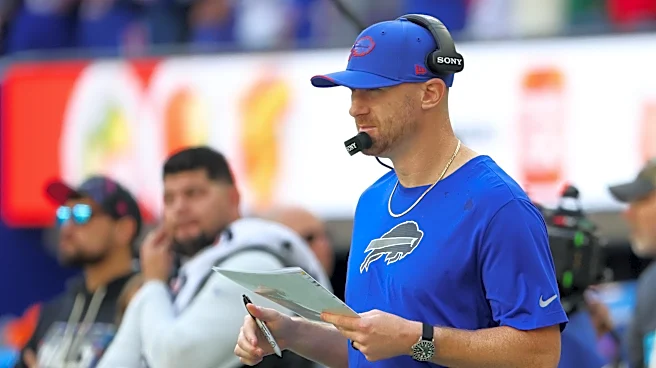
The Buffalo Bills are evaluating the strategic benefits of trading for players on expiring contracts before the NFL trade deadline. This approach considers the potential compensatory draft picks a player could generate for their original team if they
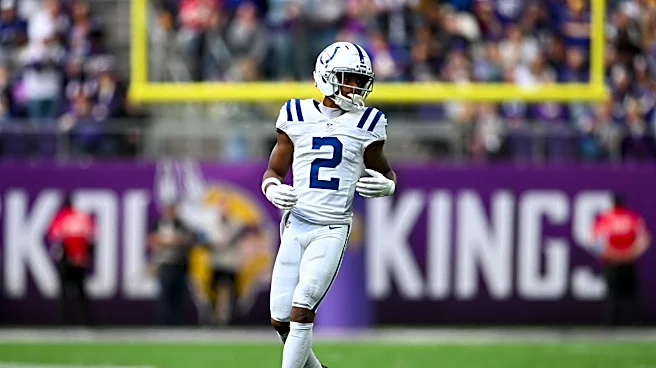
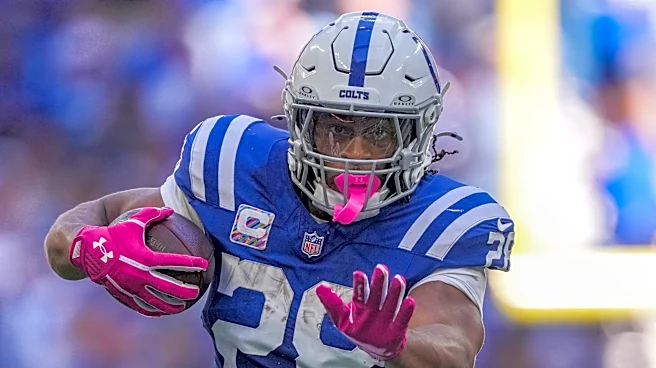
sign elsewhere in free agency. The value of an in-season trade is often calibrated against the compensatory pick a player is likely to fetch. For instance, if a veteran could net a third-round compensatory pick a year later, it would make little sense for a team to accept a fifth-round pick in a deadline deal. Using Josh Downs as an example, if he were to sign a four-year, $67 million contract in free agency, his current team could receive a fourth-round compensatory pick in 2028. This sets a floor for what the Colts might seek in return for Downs. The Bills, who are projected to be over the 2027 cap and have several players set to become unrestricted free agents, are likely to lose more UFAs than they sign, making them candidates to receive compensatory picks.
Why It's Important?
This strategic consideration by the Buffalo Bills highlights a sophisticated approach to roster management and asset valuation in the NFL. By factoring in future compensatory picks, teams can make more informed decisions about the true cost and potential return of acquiring a player on an expiring contract. This strategy allows the Bills to potentially amplify their offense for the current season and playoffs, even if the acquired player eventually departs in free agency. The potential to recoup draft capital through compensatory picks mitigates the risk of trading away high-value draft selections. This approach is particularly relevant for teams like the Bills, who are in a competitive window and need to balance immediate success with future roster flexibility. Understanding the intrinsic value of such trades can provide a competitive edge, allowing teams to optimize their draft capital and maintain a strong roster over multiple seasons.
What's Next?
As the NFL trade deadline approaches, the Buffalo Bills will continue to assess potential trade targets who are on expiring contracts. General Manager Brandon Beane will need to weigh the immediate impact a player can have on the team's performance against the potential compensatory pick implications. Negotiations with other teams will likely involve discussions around the projected compensatory pick value of the player in question. The Bills will also need to consider their own draft capital, including projected compensatory picks they might receive, when formulating trade offers. If a trade is executed, the team will then focus on integrating the new player into their system for the remainder of the season. The long-term outcome of such a trade, including whether the player re-signs or departs in free agency, will determine the actual compensatory pick received, which would then impact the Bills' draft strategy in future years.
Beyond the Headlines
The emphasis on compensatory picks in trade evaluations reveals a deeper layer of financial and strategic planning within NFL front offices. It underscores how teams are constantly looking for ways to maximize value from every roster move, extending beyond immediate on-field performance to future draft capital. This intricate system encourages teams to be strategic sellers of veteran talent, knowing they might be rewarded with future draft picks. For players, being on an expiring contract can influence their trade value and future contract negotiations, as teams consider the compensatory pick implications. This analytical approach to player acquisition and retention reflects the increasing sophistication of NFL team management, where data and long-term financial planning play as crucial a role as on-field talent evaluation. It also highlights the continuous cycle of roster turnover and rebuilding that characterizes professional sports leagues.