







What's Happening?
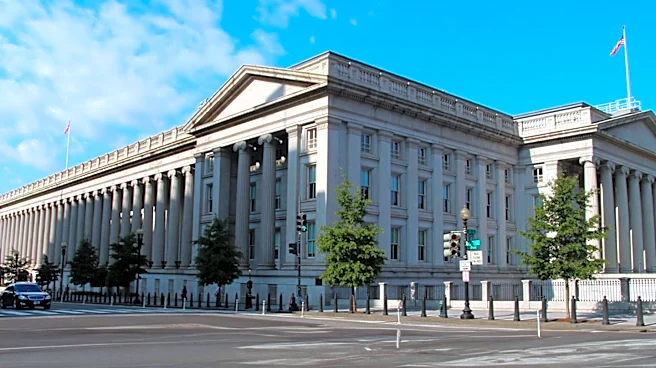
The bond market is undergoing a quiet but significant shift as the U.S. Treasury indicates a potential move to reduce the supply of long-dated bonds and increase reliance on short-term bills. This change in funding strategy could reshape discount rates,
curve expectations, and stress points across funding markets, creating both opportunities and risks for investors in interest-rate-sensitive financial institutions. Peoples Bancorp, a regional U.S. financial holding company, is particularly exposed to these shifts due to its heavy reliance on community banking spread income. While the company is diversifying into fee-driven lines to stabilize earnings, its core operations remain sensitive to long-term interest rate movements. The company's planned acquisitions of Capital Bancorp and Citizens National are expected to increase its assets, loans, and deposits, potentially enhancing earnings power and revenue resilience, but their success will depend on how funding costs and pricing power evolve.
Why It's Important?
This potential shift in Treasury bill issuance is highly significant for the U.S. financial sector, especially for regional banks like Peoples Bancorp. A greater reliance on short-term bills could lead to changes in the yield curve, potentially impacting the net interest margins of banks. Regional banks, which often depend on the spread between short-term borrowing costs and long-term lending rates, could see their profitability affected. If short-term rates rise relative to long-term rates, it could compress these margins, making it harder for banks to generate income from their core lending activities. Conversely, if the shift leads to a steeper yield curve, it could benefit banks. Investors in regional bank stocks need to closely monitor these developments, as they directly influence the financial health and stock performance of these institutions. The ability of banks to adapt their funding mix and loan pricing will be crucial for their future earnings.
What's Next?
The U.S. Treasury's actions regarding bond and bill issuance will be a critical factor to watch. Any definitive moves to alter the supply mix will likely trigger reactions across financial markets, particularly in interest rates and bond yields. Regional banks, including Peoples Bancorp, will need to strategically manage their balance sheets, adjusting their lending and deposit strategies to mitigate potential negative impacts or capitalize on new opportunities. This could involve further diversification into fee-based services, optimizing their loan portfolios, and carefully managing their funding costs. Investors will be closely scrutinizing earnings reports from regional banks for indications of how these shifts are affecting net interest margins and overall profitability. The success of Peoples Bancorp's acquisitions will also be heavily influenced by the evolving interest rate environment.
Beyond the Headlines
The Treasury's potential shift in funding strategy reflects broader economic considerations, including inflation management, government debt financing, and monetary policy. While seemingly technical, these decisions have ripple effects throughout the economy, influencing everything from mortgage rates to corporate borrowing costs. For regional banks, this isn't just about immediate profitability; it's about their long-term viability and their role in supporting local economies. A sustained period of unfavorable interest rate dynamics could constrain their ability to lend, impacting small businesses and local development. This situation underscores the interconnectedness of government fiscal policy, monetary policy, and the health of the financial sector, highlighting how seemingly minor adjustments at the federal level can have significant and far-reaching consequences for specific industries and communities across the nation.