


What's Happening?
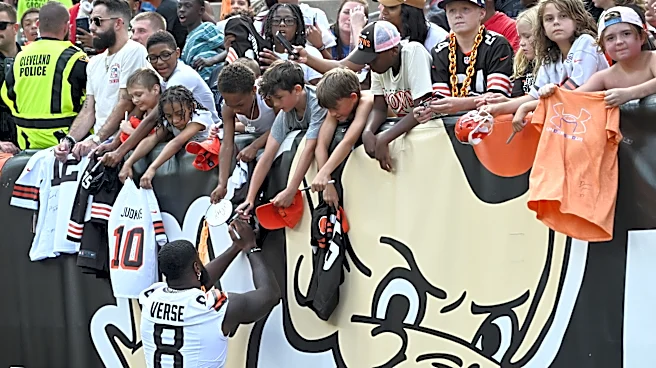
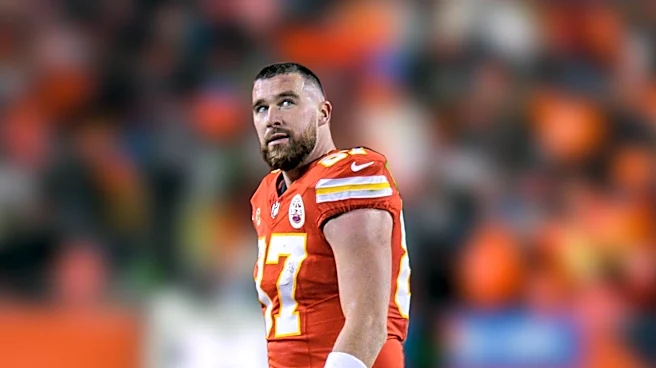
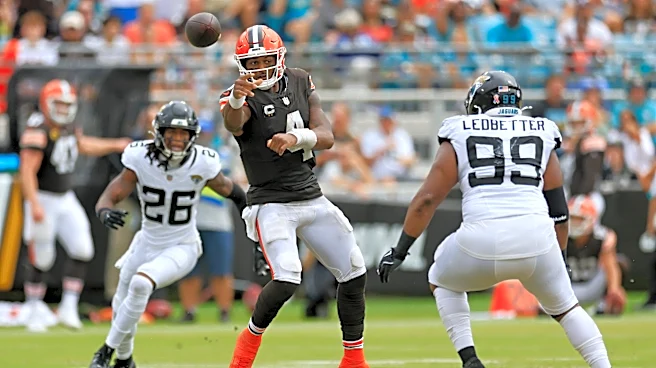
Browns Pro Bowl cornerback Denzel Ward and future Hall of Fame tight end Travis Kelce have become minority investors in the Cleveland Guardians ownership group. This group is led by Paul Dolan and David Blitzer. The announcement signifies a notable expansion
of the ownership structure for the Major League Baseball team, bringing in prominent figures from the National Football League. Ward, a current player for the Cleveland Browns, and Kelce, a highly recognized NFL athlete, are now part of the team's leadership, indicating a cross-sport investment trend. This move follows a pattern of professional athletes diversifying their portfolios and investing in other sports franchises.
Why It's Important?
The inclusion of Denzel Ward and Travis Kelce in the Cleveland Guardians' ownership group is significant for several reasons. Firstly, it injects new capital and potentially fresh perspectives into the team's management, which could benefit the franchise's operations and strategic direction. Secondly, the involvement of high-profile athletes like Ward and Kelce can boost the team's public image and appeal, potentially attracting a broader fan base and increasing engagement, especially among younger demographics and those interested in multiple sports. This cross-sport investment also highlights a growing trend where successful athletes leverage their earnings and influence to become stakeholders in professional sports, moving beyond their playing careers into ownership roles. For the city of Cleveland, it reinforces local ties, as Ward plays for the Browns, and brings national attention through Kelce's celebrity.
What's Next?
The immediate next steps will likely involve the integration of Ward and Kelce into the ownership group's strategic discussions, though their roles as minority investors might be more advisory or promotional. Their involvement could lead to new marketing initiatives, community outreach programs, or even influence player development strategies, leveraging their experience as professional athletes. It is also possible that their presence will attract further investment or partnerships for the Guardians. This trend of athletes investing in sports franchises is expected to continue, potentially leading to more diverse ownership groups across various leagues. The long-term impact will depend on their active participation and the overall success of the Guardians under this expanded ownership.
Beyond the Headlines
This development goes beyond a simple financial transaction; it represents a cultural shift in professional sports ownership. Historically, sports franchises were primarily owned by business magnates. However, the increasing wealth and business acumen of athletes are enabling them to transition from employees to owners. This trend could lead to more athlete-centric decision-making within organizations, potentially improving player welfare, development, and overall league dynamics. It also offers a pathway for athletes to build lasting legacies and influence the sports landscape beyond their playing days. The involvement of active players like Ward in ownership also raises interesting questions about potential conflicts of interest or competitive advantages, though such concerns are typically mitigated by league rules and the nature of minority investments.