






What's Happening?
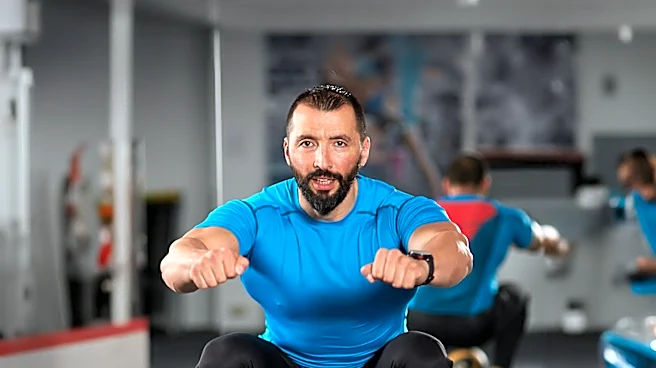
Physical therapists are recommending a simple two-minute daily habit consisting of three balance drills to improve stability and coordination for individuals in their 40s and older. These drills, which include the single leg stand, heel-to-toe walk, and clock
reaches, are designed to challenge the body's balance system, which relies on muscle strength, hip stability, ankle control, core engagement, and neurological coordination. According to Ashley Katzenback, a doctor of physical therapy, balance is an underestimated component of physical health. Chartered physical therapist Hassan Mohamoud suggests practicing these drills three times a week, dedicating 30 seconds to each drill or side, totaling two minutes. The goal is not perfect stillness but rather to engage in the small, constant corrections that occur during balancing, which are crucial for training. It is also advised to gradually reduce reliance on support during these exercises to maximize benefits.
Why It's Important?
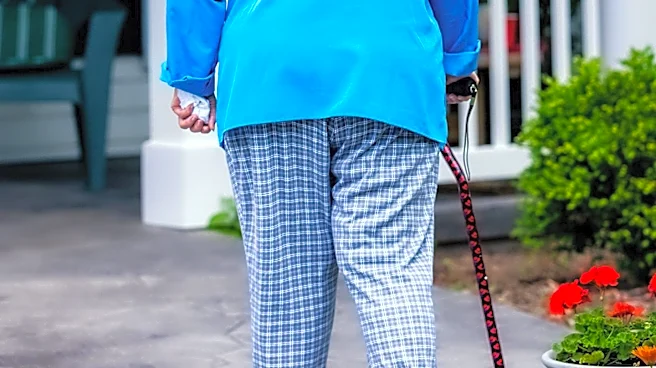
This initiative is significant for public health in the U.S., particularly as the population ages. Declining balance is a major risk factor for falls, which can lead to serious injuries, reduced mobility, and decreased quality of life among older adults. By promoting balance training starting in the 40s, these physical therapists are advocating for proactive health measures that can prevent future health complications and associated healthcare costs. Improving balance can enhance overall physical confidence, enabling individuals to participate more actively in daily life, sports, and outdoor activities. This preventative approach can empower individuals to maintain their independence and physical capabilities for a longer period, contributing to a healthier and more active society. It also highlights the role of physical therapy in preventative care, not just rehabilitation.
What's Next?
Individuals in their 40s and beyond are encouraged to integrate these two-minute balance drills into their weekly routine, ideally three times a week. Healthcare providers and fitness professionals may increasingly incorporate such simple, effective balance exercises into their recommendations and programs. Public health campaigns could also be launched to raise awareness about the importance of balance training at an earlier age. Further research might explore the long-term impact of consistent balance training on fall prevention and overall physical health outcomes. The accessibility and minimal time commitment of these drills make them highly adaptable for widespread adoption, potentially leading to a measurable improvement in the balance and stability of the middle-aged and senior populations.
Beyond the Headlines
The emphasis on early intervention for balance training reflects a growing understanding of the cumulative effects of aging on physical function. This proactive stance challenges the reactive healthcare model, advocating for lifestyle changes that can delay or prevent age-related physical decline. The concept of 'balance snacks'—short, effective exercises—aligns with modern busy lifestyles, making preventative health more attainable. This approach also has implications for workplace wellness programs, encouraging employees to maintain physical health throughout their careers. Culturally, it promotes a mindset of continuous physical maintenance, similar to how individuals manage other aspects of their health, fostering a more resilient and capable aging population. The simplicity of these exercises also democratizes access to preventative health, as they require no special equipment or gym membership.