


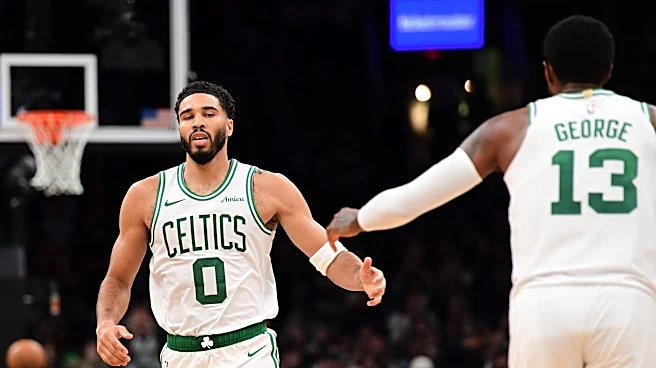

What's Happening?
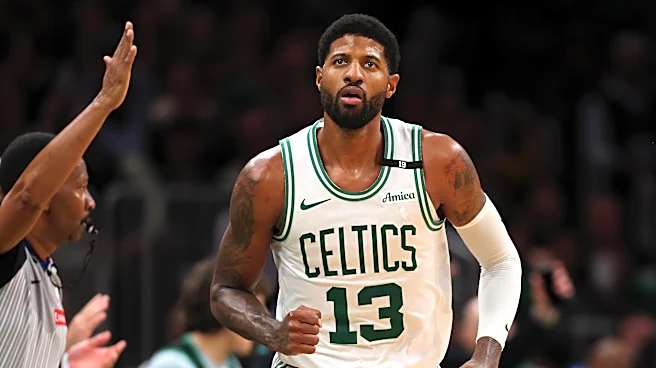
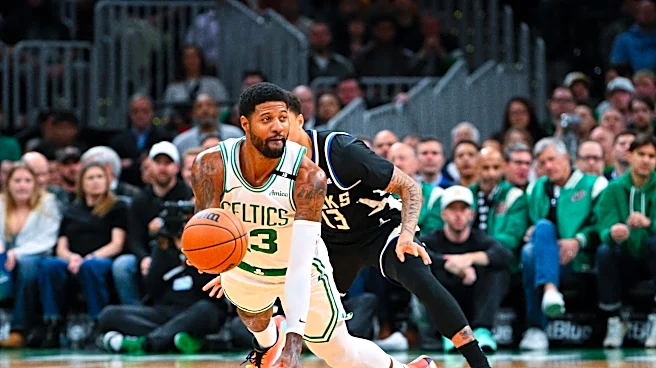
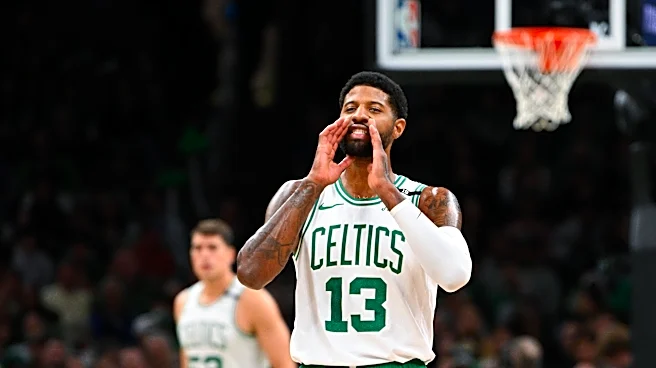
An NBA executive has voiced significant concerns regarding the durability of Boston Celtics player Paul George. According to a conversation with NBA writer Eric Pincus, the executive highlighted George's legs as a primary worry, stating that while George performs
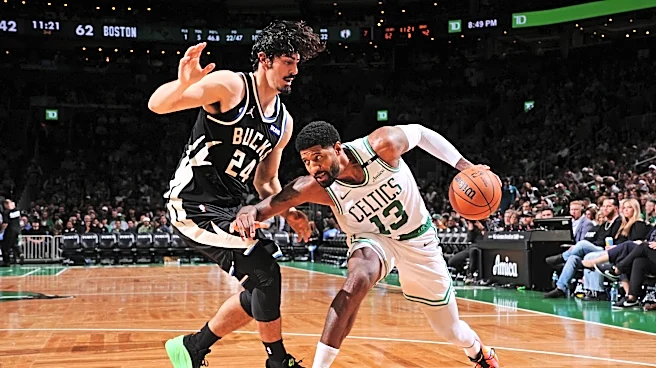
well when healthy, he struggles to maintain that level of play for an entire season. This concern comes despite George's strong start with the Celtics, where he has appeared in seven of eight games, averaging 21.3 points, 5.6 rebounds, 5.0 assists, and 2.6 steals per game, with shooting percentages of 46.0% from the field and 41.4% from three-point range. These statistics represent his best performance since his last All-Star season. An NBA scout also suggested that the Celtics might need to manage George's minutes throughout the year, potentially limiting him to around 60 games to preserve his health for the postseason. George has a history of missing games, having played over 60 games only once in the last seven seasons.
Why It's Important?
The durability concerns surrounding Paul George are critical for the Boston Celtics, who acquired him in a significant offseason trade. His ability to remain healthy and effective directly impacts the team's championship aspirations. If George cannot sustain his performance throughout the regular season and into the playoffs, it could undermine the Celtics' strategy and investment. The executive's comparison to Jaylen Brown, suggesting George might wear down faster, highlights a potential long-term issue for Boston. Managing George's workload, as suggested by the scout, could mean sacrificing regular-season wins to ensure his availability and peak performance in crucial playoff games. This balancing act is vital for the Celtics, as George's talent is not in question, but his consistent presence on the court is seen as a potential vulnerability that could affect their standing among top contenders.
What's Next?
The Boston Celtics will likely continue to closely monitor Paul George's physical condition and manage his playing time throughout the season. This could involve strategic rest days, particularly during back-to-back games, and a careful allocation of minutes in less critical matchups. The team's coaching staff, led by Joe Mazzulla, will need to balance George's immediate impact with the long-term goal of having him healthy for the playoffs. Observers will be watching to see if the Celtics implement a strict game limit, as suggested by the NBA scout, or if they will rely on a more fluid approach to workload management. The performance of other key players, such as Jayson Tatum, will also be crucial in allowing the team to manage George's minutes effectively without compromising their regular-season standing. The ultimate test will come in the postseason, where George's availability and effectiveness will be paramount to the Celtics' success.
Beyond the Headlines
The discussion around Paul George's durability extends beyond individual performance and touches upon broader trends in professional sports, particularly the increasing emphasis on player load management. This situation highlights the strategic dilemma faced by NBA teams: how to maximize the performance of star players while mitigating injury risks over an 82-game season and a demanding playoff schedule. The financial implications are also significant, as teams invest heavily in star talent, making their availability a key factor in return on investment. Furthermore, it raises questions about the long-term sustainability of careers for players who rely heavily on athleticism and have a history of injuries. The Celtics' approach to managing George could set a precedent for how other teams handle aging stars or players with durability concerns, influencing future team building and player contract negotiations across the league.