


What's Happening?
Audible, a prominent publisher in the audiobook industry, is significantly investing in full-cast dramatizations, transforming audiobooks beyond simple narration. This initiative involves utilizing large voice casts, incorporating music, and adding sound
design to create a more immersive and theatrical listening experience. This trend has seen a rise in popularity, particularly within the fantasy genre, with many highly-rated adaptations released in recent years. Notable examples include full-cast editions of 'Harry Potter and the Sorcerer’s Stone' and upcoming adaptations like new novels in the ACOTAR series by Sarah J. Maas, Andrzej Sapkowski's Witcher books, and 'Halo: The Fall of Reach' featuring original voice actors. Access to these productions is primarily facilitated through Audible subscription plans, which typically include a monthly book download.
Why It's Important?
This strategic investment by Audible is important as it redefines the audiobook landscape, elevating the medium from a passive listening experience to a more engaging and theatrical one. For consumers, this means a richer, more dynamic way to consume literary content, potentially attracting new listeners who might find traditional narration less captivating. For authors and publishers, it opens new avenues for creative expression and revenue, allowing stories to be brought to life with a depth previously reserved for film or stage. The focus on popular genres like fantasy also indicates a targeted approach to leverage existing fan bases, ensuring a receptive audience for these enhanced productions. This shift could set a new industry standard, compelling other platforms and publishers to innovate their audiobook offerings to remain competitive.
What's Next?
The trend of full-cast dramatizations is expected to continue expanding, with more popular series and new releases receiving this enhanced treatment. Upcoming projects include further installments in the Witcher series and the Halo: The Fall of Reach dramatization, indicating a sustained commitment to this format. This could lead to increased competition among audiobook platforms to secure rights for popular titles and invest in high-quality production. We may also see a diversification of genres receiving the full-cast treatment, moving beyond fantasy to include other popular categories. The success of these productions could also influence how authors approach writing, potentially considering the audio experience from the outset. Furthermore, the integration of original voice actors from other media, such as video games, suggests a cross-media strategy to attract diverse audiences.
Beyond the Headlines
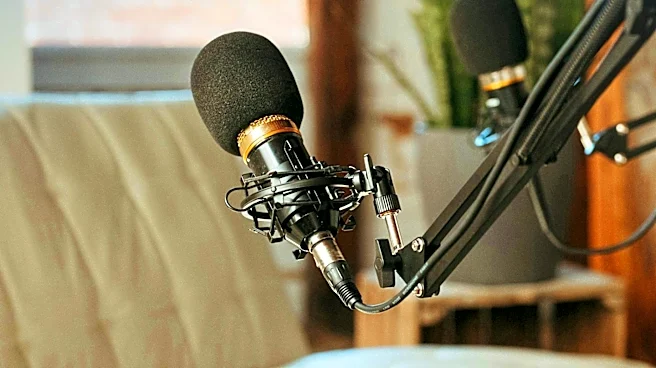
The evolution of audiobooks into full-cast dramatizations carries deeper implications for the future of storytelling and media consumption. It blurs the lines between traditional audiobooks, radio dramas, and even podcasts, creating a hybrid form that leverages the strengths of each. This development could foster a new generation of audio-centric creators and performers, expanding the talent pool within the voice acting and sound design industries. Ethically, it raises questions about the interpretation of an author's work when multiple voices and soundscapes are introduced, potentially altering the listener's individual imaginative experience. Culturally, it reflects a broader societal shift towards multi-sensory and immersive entertainment, where convenience and engagement are paramount. This could also lead to a re-evaluation of intellectual property rights in the context of audio adaptations, particularly concerning the use of original voice actors and musical scores.