


What's Happening?
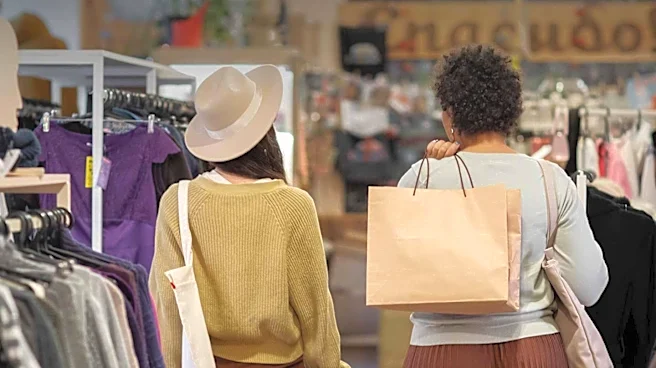
The fashion industry is experiencing a significant shift towards pre-loved and vintage items, driven by consumers' desire for unique style and sustainability. Platforms like eBay are becoming central to this movement, offering an extensive archive of fashion pieces
that allow shoppers to discover items with personality beyond current collections. Global eBay data indicates that the term 'vintage' is searched over 1,200 times every 60 seconds, reflecting a strong and growing demand. This trend is particularly evident in the resurgence of nostalgic styles, such as Y2K-inspired fashion, with vintage cuff bracelet sales up 269% and Puma Speedcat sales up 98% year-on-year in Australia. Consumers are increasingly looking to balance new-season staples with unexpected finds, using pre-loved items to build wardrobes that feel individual and less predictable. eBay also facilitates this by offering features like Authenticity Guarantee for luxury items, providing confidence to both buyers and sellers.
Why It's Important?
The growing popularity of pre-loved fashion has significant implications for the retail sector and consumer behavior in the U.S. It challenges the traditional fast-fashion model by promoting a more circular economy, where clothing items have extended lifespans. This shift can reduce textile waste and lower the environmental footprint of the fashion industry, aligning with increasing consumer awareness of climate change. For businesses, it presents opportunities for new revenue streams through resale platforms and encourages brands to consider the longevity and resale value of their products. Consumers benefit from access to more affordable, unique, and sustainable options, allowing them to express personal style without constantly buying new. The trend also empowers individuals to monetize their unused clothing, funding future purchases and contributing to a more dynamic and sustainable fashion ecosystem.
What's Next?
The pre-loved fashion market is expected to continue its expansion, with more consumers integrating secondhand items into their wardrobes. This could lead to increased investment in authentication technologies and services, particularly for luxury goods, to build greater trust in the resale market. Retailers may also explore partnerships with resale platforms or develop their own take-back and resale programs to tap into this growing segment. The emphasis on unique finds and personalized style will likely drive demand for curated vintage collections and specialized secondhand boutiques, both online and offline. Furthermore, the data collected from resale markets could provide valuable insights into long-term trend durability and consumer preferences, influencing future design and production decisions for new garments. The industry will likely see a continued blending of new and pre-loved items in fashion narratives, making sustainable choices more mainstream.
Beyond the Headlines
Beyond its economic and environmental impacts, the rise of pre-loved fashion reflects a cultural shift towards valuing authenticity, individuality, and conscious consumption. In an era of mass production and algorithmic trend-setting, vintage and secondhand items offer a sense of uniqueness and a story that new clothes often lack. This movement challenges the notion that fashion must always be new to be desirable, fostering a more appreciative relationship with clothing. It also democratizes fashion, making designer pieces and unique styles more accessible to a broader audience. The 'thrill of the hunt' associated with finding pre-loved treasures can also be seen as a form of mindful consumption, encouraging patience and thoughtful selection over impulsive purchases. This cultural re-evaluation of clothing could lead to a more sustainable and personally expressive approach to style in the long run.