





What's Happening?
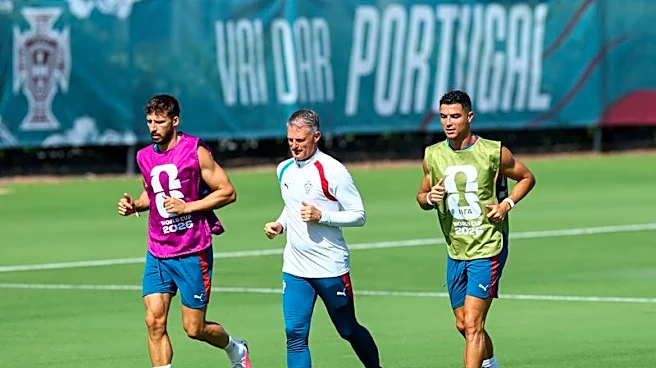
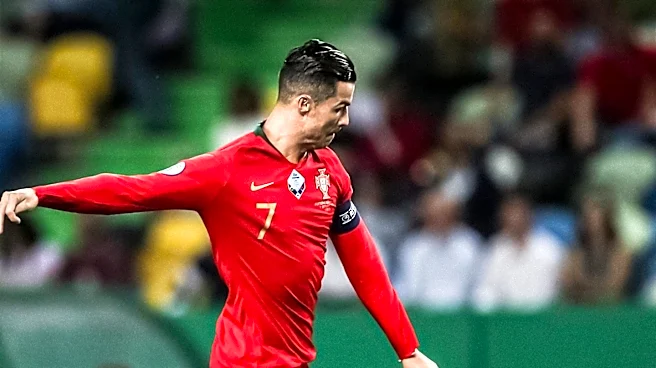
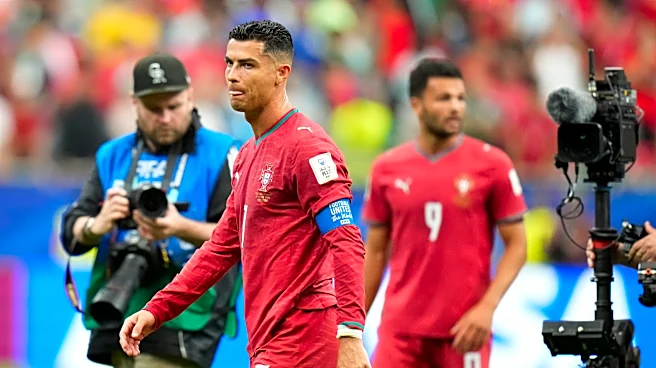
Cristiano Ronaldo, at 41 years old, scored two goals in Portugal's 5-0 victory over Uzbekistan in the 2026 World Cup, becoming the first player to score in six different World Cup tournaments. This achievement comes after Portugal's initial 1-1 draw with
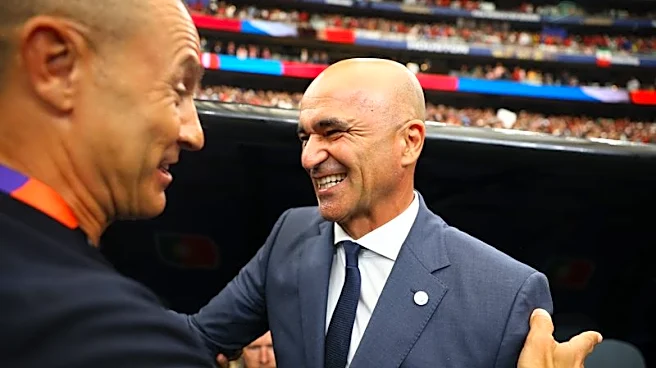
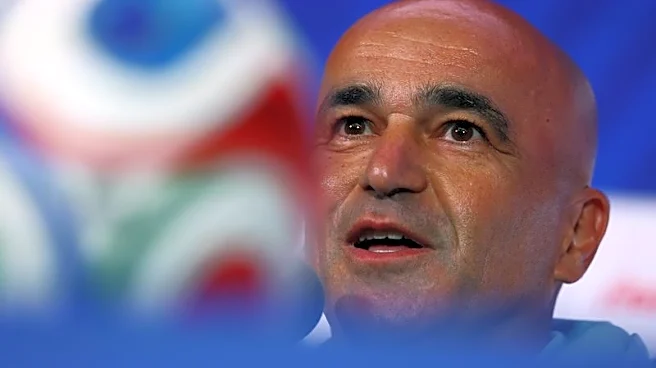
DR Congo, which had drawn criticism. Ronaldo's performance was a response to those who doubted his continued impact on the sport. His goals were complemented by a free-kick from Nuno Mendes, an own goal by Uzbekistan's goalkeeper, and a late goal from Rafael Leao. Portugal's coach, Roberto Martinez, praised Ronaldo's leadership and influence on the team, especially after the challenging start to the tournament.
Why It's Important?
Ronaldo's record-breaking performance underscores his enduring influence in international soccer, highlighting his ability to perform at the highest level despite his age. This achievement not only boosts Portugal's morale but also reinforces Ronaldo's status as a key player in the sport's history. His success serves as an inspiration to both his teammates and younger players worldwide, demonstrating the value of experience and resilience. The victory positions Portugal favorably in their group, enhancing their chances of advancing in the tournament, which could have significant implications for the team's future in the World Cup.
What's Next?
Portugal is set to face Colombia in their final group match, which will determine their standing in Group K. A win or draw could secure their advancement to the next round, while a loss might complicate their path forward. The team's performance in this match will be crucial, and Ronaldo's leadership will likely play a significant role in their strategy and execution. The outcome of this match will also influence the team's preparation and mindset as they potentially move into the knockout stages of the tournament.
Beyond the Headlines
Ronaldo's achievement at the World Cup highlights broader themes of longevity and the evolving nature of athletic careers. His ability to maintain peak performance at an advanced age challenges traditional notions of athletic prime and retirement, suggesting that with proper management and motivation, athletes can extend their careers significantly. This could influence how teams and leagues approach player development and career management, potentially leading to changes in training, nutrition, and recovery practices to support longer careers.