





What's Happening?
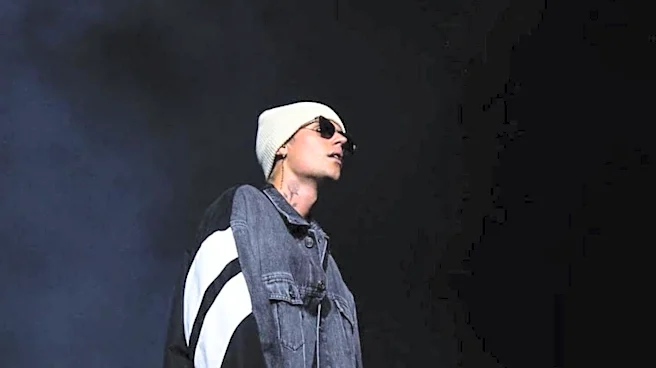
Blockstream CEO Adam Back has stated that Justin Bieber's Bored Ape NFT, which the singer purchased for approximately $1.3 million in January 2022, is now worth nothing, or potentially even less. Bieber acquired Bored Ape NFT #3001 for 500 ETH, a price
that was questioned by critics at the time due to the token lacking rare traits. Currently, the floor price for the Bored Ape Yacht Club (BAYC) collection is around 6.25 ETH, which translates to approximately $16,600. This represents a roughly 99% decrease from Bieber's initial investment. The broader NFT market has experienced significant struggles, with valuations declining to record market cap lows in June as Ethereum (ETH) dropped, and companies like Nike closing their NFT studios last year. Back's assessment was in response to a crypto influencer who valued the token at about $16,300, with Back further agreeing with another user that the value could be negative due to the transaction fees (gas) required to sell an NFT on the Ethereum network.
Why It's Important?
This development highlights the volatile and speculative nature of the Non-Fungible Token (NFT) market, particularly for celebrity-backed digital assets. Justin Bieber's significant loss on his Bored Ape NFT serves as a high-profile example of the risks associated with investing in such digital collectibles. It underscores the rapid depreciation that can occur in markets driven by hype and speculation, impacting both individual investors and the broader perception of digital assets. The discussion initiated by Adam Back, a cryptographer whose work is cited in the Bitcoin white paper, also draws a clear distinction between the perceived value and utility of Bitcoin and that of collectible NFTs. This separation is crucial for understanding the different investment theses within the cryptocurrency ecosystem, suggesting that not all digital assets hold the same fundamental value or long-term prospects. The situation could influence future celebrity endorsements and public interest in NFTs, potentially leading to increased caution among potential investors.
What's Next?
The future of Justin Bieber's Bored Ape NFT, and similar celebrity-owned digital assets, remains uncertain. While the current market valuation is significantly lower than the purchase price, there's a possibility that the celebrity association could still fetch a premium if a buyer is willing to pay for the unique ownership history. However, the likelihood of recouping the initial investment appears slim given the current market conditions and expert opinions. The broader NFT market will likely continue to face scrutiny regarding its long-term viability and intrinsic value, especially as regulatory frameworks evolve and investor sentiment shifts. This event may also prompt more celebrities and public figures to exercise greater caution when engaging with speculative digital assets, potentially leading to a more measured approach to endorsements in the crypto space. The ongoing debate about the 'negative' value of NFTs due to transaction costs could also influence platform development and fee structures within the blockchain ecosystem.
Beyond the Headlines
The case of Justin Bieber's Bored Ape NFT delves into deeper implications concerning the intersection of celebrity culture, digital ownership, and financial speculation. It raises questions about the true value proposition of NFTs beyond their initial hype and the role of celebrity influence in driving market bubbles. Ethically, it highlights the responsibility of public figures when promoting or investing in highly speculative assets, as their actions can significantly sway public perception and investment decisions. Legally, the concept of 'negative value' due to transaction costs could open discussions about consumer protection in digital asset markets, particularly regarding assets that become illiquid or costly to offload. Culturally, this event contributes to the ongoing narrative about the sustainability of digital art and collectibles, challenging the notion that all NFTs will retain or increase in value. It underscores a broader shift in how society perceives and values digital goods, moving beyond novelty to a more critical assessment of their economic and artistic merit.