
What's Happening?
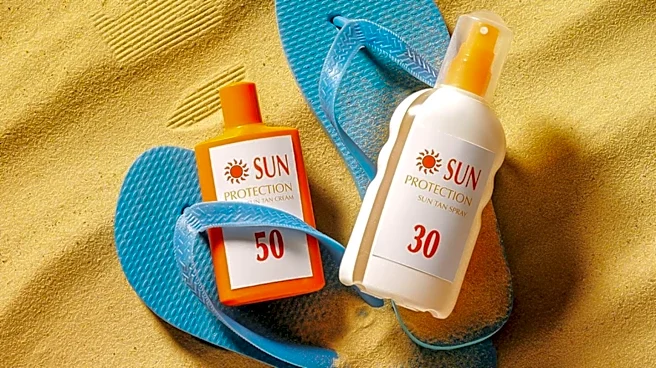
Dermatology and cancer care experts are strongly advocating for consistent daily use of broad-spectrum sunscreen with an SPF of 30 or higher. This recommendation is crucial for protecting skin against
harmful UV radiation, which is a known factor in skin damage and aging. The emphasis extends beyond occasional outdoor use, with a growing trend in the United States, South Korea, and Japan to integrate SPF into daily skincare products like moisturizers and complexion products. The global sunscreen market is experiencing significant growth, driven by increased public awareness of UV-related skin damage and the rising adoption of sun-protection skincare in daily routines. Experts advise reapplying sunscreen every two hours when outdoors and seeking shade during peak UV exposure times to maximize protection. This consistent message highlights the importance of sun protection as a fundamental aspect of skin health and a key preventative measure in cancer care.
Why It's Important?
The heightened focus on SPF awareness is critical for public health, particularly in the U.S., where skin cancer rates remain a concern. Consistent sunscreen use can significantly reduce the risk of UV-related skin damage, including premature aging and the development of skin cancers. For individuals undergoing cancer treatment, whose skin may be more sensitive to the sun due to therapies like chemotherapy and radiation, sun protection becomes even more vital. The integration of SPF into everyday cosmetic products makes sun protection more accessible and convenient, potentially increasing adherence among the general population. This shift also impacts the beauty and skincare industries, driving innovation in lightweight, cosmetically elegant SPF formulations that cater to daily use rather than just recreational activities. The market expansion reflects a broader societal understanding of sun protection as a year-round health necessity, not just a seasonal concern.
What's Next?
The trend of integrating SPF into daily skincare is expected to continue, with manufacturers likely to develop more innovative formulations that offer broad-spectrum protection without compromising cosmetic appeal. This includes advancements in mineral sunscreens for better transparency and lighter textures. Regulatory bodies may also continue to reinforce standards for broad-spectrum protection, influencing product development and consumer choices. Public health campaigns are likely to further emphasize the importance of daily SPF use, potentially leading to increased consumer demand for high-quality, effective sunscreens. The medical community will continue to stress sun protection as a key component of preventative healthcare and a critical aspect of managing skin health during and after cancer treatments, ensuring that SPF awareness remains a priority.
Beyond the Headlines
The growing emphasis on SPF awareness reflects a broader cultural shift towards proactive health and wellness. Beyond the immediate benefits of skin protection, this trend highlights a deeper understanding of environmental factors influencing health. The integration of SPF into daily routines signifies a move from reactive treatment to preventative care, aligning with a more holistic approach to well-being. This also raises ethical considerations for manufacturers to ensure product efficacy and transparency in labeling, especially as consumers become more discerning about ingredients and claims. The global market's response indicates that sun protection is evolving from a niche product to a fundamental component of personal care, influencing consumer behavior and product innovation across the beauty and health sectors.