







What's Happening?
Amidst rising living costs, consumers are increasingly comparing the nutritional value and price of superfoods like kale with more budget-friendly alternatives such as cabbage. While kale has been a dominant 'supergreen' for the past decade, its higher
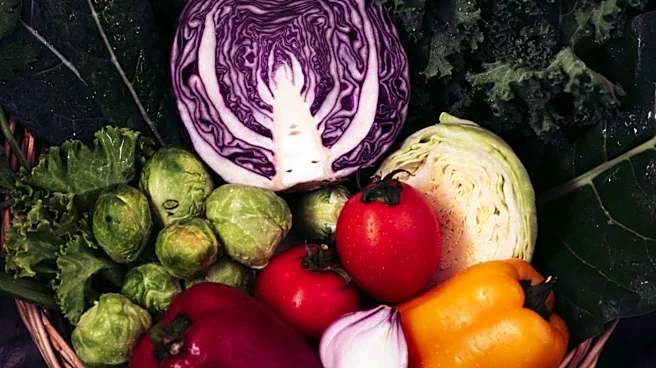
price tag and preparation demands are leading shoppers to consider cabbage. Both kale and cabbage are cruciferous vegetables from the same plant species, Brassica oleracea, sharing similar nutritional profiles including low kilojoules and carbohydrates, and providing vitamins C, folate, K, and fiber. They also contain glucosinolates, compounds studied for potential protective effects against chronic diseases. However, kale generally boasts a higher concentration of nutrients, particularly vitamin K, and more vitamin C and folate than lighter cabbage varieties. Kale also provides vitamin A, calcium, iron, magnesium, and antioxidants lutein and zeaxanthin, beneficial for eye health. Cabbage, especially red and purple varieties, offers anthocyanins, antioxidants linked to cardiovascular health.
Why It's Important?
This comparison is significant for U.S. consumers facing economic pressures, as it empowers them to make informed dietary choices without necessarily compromising health. The affordability and longer shelf life of cabbage make it a practical option for many households, potentially increasing access to nutrient-rich vegetables for a broader demographic. This shift could influence grocery store stocking practices, leading to a greater emphasis on cost-effective, nutritious produce. For the food industry, understanding this consumer trend is crucial for product development and marketing strategies, as demand for budget-friendly superfoods grows. The discussion also highlights the importance of considering factors beyond just nutrient concentration, such as affordability, shelf life, and actual consumption, in defining a 'healthy' food choice. This perspective can help mitigate food insecurity by promoting accessible and sustainable dietary habits.
What's Next?
If budget constraints continue to be a primary concern for consumers, cabbage is likely to see increased popularity as a versatile and nutrient-rich option. Consumers are encouraged to incorporate various cabbage types, including red or purple, to broaden their intake of protective antioxidants. Fermented cabbage products like sauerkraut or kimchi, which contain live cultures, are also recommended for gut health. For those who prefer kale, frozen kale offers a more affordable and longer-lasting alternative while retaining its nutritional profile. The ongoing conversation about cost-effective nutrition may lead to more educational initiatives from health organizations and food retailers, guiding consumers on how to maximize nutritional intake within budget limitations. This trend could also spur innovation in food preparation and recipes that highlight the versatility of both kale and cabbage.
Beyond the Headlines
The debate between kale and cabbage reflects a deeper societal conversation about health equity and access to nutritious food. While 'superfoods' are often marketed at premium prices, the re-evaluation of humble vegetables like cabbage underscores that optimal nutrition doesn't always require expensive ingredients. This perspective challenges the notion that healthy eating is exclusive to higher-income brackets, promoting a more inclusive approach to dietary wellness. The emphasis on practical factors like shelf life and affordability also highlights the real-world challenges consumers face in maintaining a healthy diet. This could lead to a greater appreciation for traditional, resilient crops and a re-prioritization of food systems that support both health and economic accessibility, potentially influencing agricultural policies and food subsidies to favor more affordable, nutrient-dense produce.