
What's Happening?
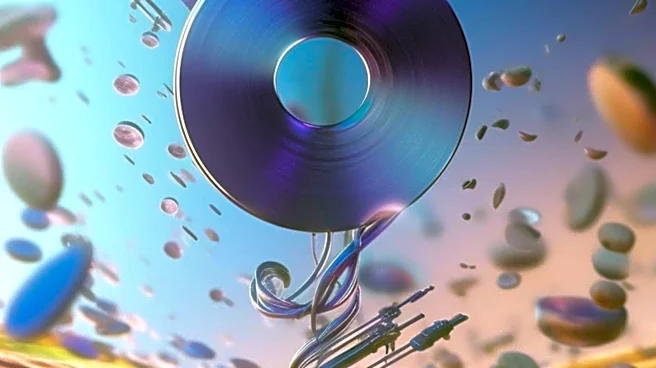
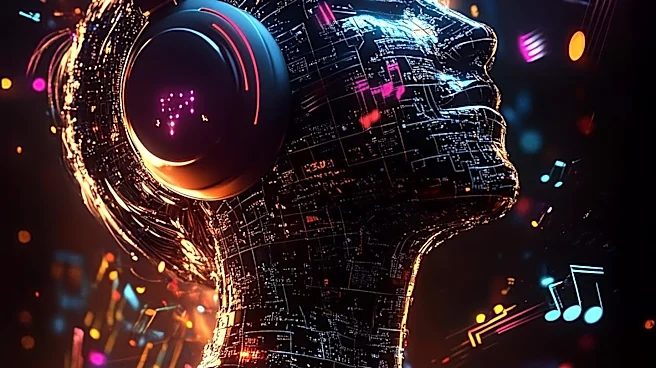
Midjourney prompts are being utilized to generate diverse album cover art, transforming creative ideas into visual designs. These prompts allow users to specify styles ranging from psychedelic and vintage to modern and abstract, enabling the creation
of unique album covers. Platforms like OpenArt offer tools to create AI images based on these prompts, providing a free resource for artists and designers. The process involves inputting textual descriptions, which the AI then interprets to produce corresponding visual art. Examples provided include prompts for R&B album covers with urban nightlife themes and world music album covers featuring cultural motifs and diverse instruments. The emphasis is on using concise, keyword-rich prompts to guide the AI effectively.
Why It's Important?
The use of AI-generated album cover art through Midjourney prompts signifies a significant shift in the creative industry, particularly for independent artists and smaller music labels. This technology democratizes access to professional-quality design, potentially reducing costs and time associated with traditional graphic design. It empowers musicians to visualize their artistic concepts without extensive design skills or budgets, fostering greater creative control. The availability of free platforms like OpenArt further lowers the barrier to entry, allowing a broader range of creators to experiment with visual branding. This trend could lead to a more diverse and visually innovative landscape in music packaging, while also posing challenges to traditional graphic designers who may need to adapt their services to integrate AI tools.
What's Next?
The continued evolution of AI image generation tools and prompt engineering techniques is expected. Users will likely see more sophisticated AI models capable of understanding nuanced artistic directions and producing even more refined and complex designs. The integration of these tools into broader creative workflows, such as music production software or digital distribution platforms, could streamline the album creation process further. Additionally, there may be an increased focus on developing ethical guidelines and copyright frameworks for AI-generated art, addressing ownership and originality concerns as the technology becomes more prevalent. Training and educational resources for effective prompt writing will also likely expand to help users maximize the potential of these AI tools.
Beyond the Headlines
The rise of AI-generated art for album covers touches upon deeper questions regarding authorship, creativity, and the definition of art itself. While AI can produce visually stunning results, the role of human intention and artistic vision in the creative process remains a subject of debate. This technology could lead to a re-evaluation of what constitutes 'original' artwork and how intellectual property rights apply to AI-assisted creations. Furthermore, it highlights the increasing convergence of technology and artistic expression, potentially fostering new forms of collaboration between human artists and AI. The accessibility of such tools might also encourage a more experimental approach to visual aesthetics in music, pushing boundaries and challenging conventional design norms.