





What's Happening?
A significant legal dispute has emerged concerning the ownership of the 'New York Fashion Week' (NYFW) name. Plaintiffs 2294 and Signet Fashion have filed a 59-page complaint against N4XT Experiences, its chief executive Imad Izemrane, and chairman Keith
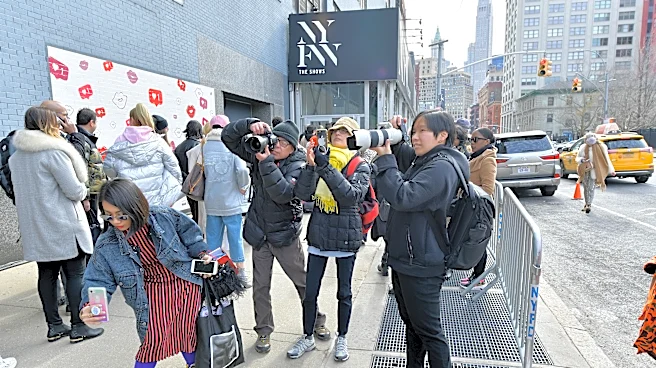
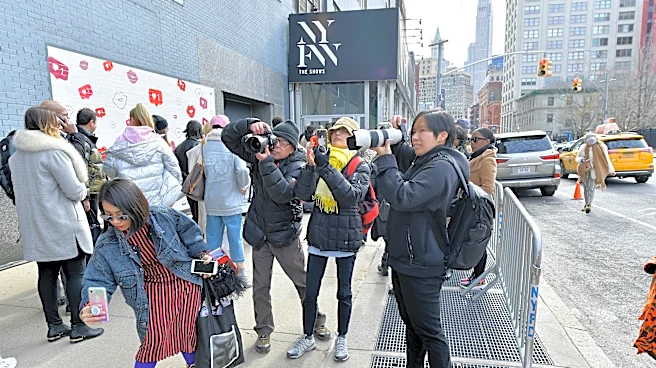
Abell. The lawsuit alleges trademark infringement, false designation of origin, false advertising, cybersquatting, and unfair competition. According to the plaintiffs, the names 'New York Fashion Week,' 'NYFW,' and 'NYFW The Shows' have, for over a decade, identified a single source: the official event run by Fashion Week Inc. and IMG Worldwide. 2294 claims to have acquired these marks and their associated goodwill in June. Signet Fashion, described as 2294's exclusive licensee, operates the NYFW platform. The suit contends that N4XT is now presenting itself as the owner and operator of New York Fashion Week, marketing an 'NYFW Collections' platform, and licensing NYFW branding as if the marks belonged to them. This legal action marks a public breakdown between former partners regarding the iconic fashion event. Susan Scafidi, founder and director of Fordham Law School's Fashion Law Institute, noted that despite decades of use, no single entity has successfully registered the full phrase 'New York Fashion Week' as a trademark, though IMG had assembled a suite of trademarks based on 'NYFW' and longer variations, which were sold in July.
Why It's Important?
This lawsuit carries substantial implications for the U.S. fashion industry, particularly for designers, organizers, and brands associated with New York Fashion Week. The core issue of who legitimately owns and can control the 'New York Fashion Week' name creates uncertainty and potential disruption for future events. Designers planning runway shows face a critical decision regarding which entity, if any, can credibly claim ownership of the week's name. The outcome could determine the future structure and commercialization of one of the world's most prominent fashion events. If 2294 and Signet Fashion prevail, it could solidify their control over the branding and operations, potentially impacting how designers participate and how sponsorships are managed. Conversely, if N4XT Experiences successfully defends against the claims or countersues, it could lead to a more fragmented or competitive landscape for organizing NYFW. The dispute also highlights the broader challenge within the fashion industry regarding the ownership and protection of widely used, yet legally ambiguous, event names. The Council of Fashion Designers of America (CFDA), a key industry body, has declined to comment, indicating the sensitive and complex nature of the situation for all stakeholders.
What's Next?
The legal proceedings between 2294, Signet Fashion, and N4XT Experiences are expected to unfold over time, with N4XT chairman Keith Abell indicating plans to countersue for tortious interference and other claims. Abell stated that business would continue in the interim, suggesting that N4XT intends to proceed with its operations despite the lawsuit. The upcoming season of shows will likely be a critical period, as designers and brands will need to navigate the ongoing dispute and decide which, if any, organizer to align with. The resolution of this case could set a precedent for how major fashion event names are managed and protected in the future. The fashion industry, including the CFDA, will be closely watching the legal developments, as the outcome could influence their strategies for organizing and participating in New York Fashion Week. The legal battle may also prompt a re-evaluation of trademark laws concerning widely recognized event names that lack clear, singular ownership.
Beyond the Headlines
Beyond the immediate legal and commercial implications, this dispute touches upon the very identity and cultural significance of New York Fashion Week. For decades, NYFW has been a cornerstone of American fashion, representing innovation, creativity, and economic opportunity. The battle over its name raises questions about who truly 'owns' a cultural institution that has evolved through the contributions of countless designers, models, and industry professionals. The lawsuit also underscores the increasing commercialization of fashion events, where branding and intellectual property rights become highly valuable assets. The differing visions for NYFW, as articulated by Keith Abell—who advocates for a platform for emerging designers that is more digitally evolved and consumer-facing—versus the traditional model, highlight a broader tension within the industry between accessibility and exclusivity. The outcome could influence whether NYFW becomes more centralized under a single commercial entity or remains a more open, albeit legally contested, platform for diverse fashion expressions.