









What's Happening?
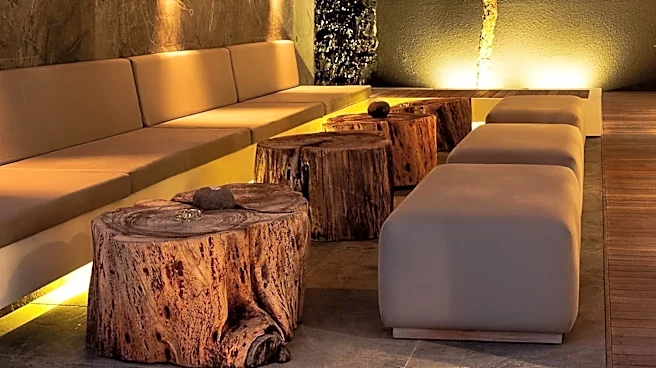
Hotels are increasingly adopting biophilic design elements to enhance the guest experience, with a focus on integrating nature into every aspect of their services. A notable example is the introduction of wooden hotel key cards, which feature an embossed
deer motif. These cards are crafted from sustainably sourced wood, offering a tactile experience that plastic cannot replicate. The unique grain and texture of each card ensure that no two are alike, transforming a simple room key into a distinctive design element. This approach is part of a broader trend in hospitality to incorporate natural materials and elements, such as natural light and green architecture, to create a more immersive and environmentally connected experience for guests.
Why It's Important?
The shift towards biophilic design in the hospitality industry reflects a growing consumer demand for sustainable and nature-inspired experiences. By incorporating natural elements into hotel design, businesses can differentiate themselves in a competitive market, appealing to environmentally conscious travelers. This trend also aligns with broader sustainability goals, as it encourages the use of renewable materials and reduces reliance on plastic. The tactile experience provided by wooden key cards enhances the guest's connection to the hotel's environment, potentially increasing customer satisfaction and loyalty. As sustainability becomes a key consideration for consumers, hotels that embrace these practices may gain a competitive edge.
What's Next?
As the hospitality industry continues to explore biophilic design, we can expect to see further innovations in how natural elements are integrated into guest experiences. Hotels may expand the use of sustainable materials beyond key cards to other aspects of their operations, such as room furnishings and amenities. Additionally, the success of these initiatives could inspire other industries to adopt similar practices, further promoting sustainability. Stakeholders, including hotel chains and environmental organizations, may collaborate to develop standards and certifications for biophilic design, ensuring that these practices are implemented effectively and consistently across the industry.