






What's Happening?
New research from online fashion retailer ASOS indicates that a significant portion of consumers find online clothes shopping overwhelming due to excessive choice and insufficient guidance. According to Vanessa Spence, EVP brand and creative at ASOS,
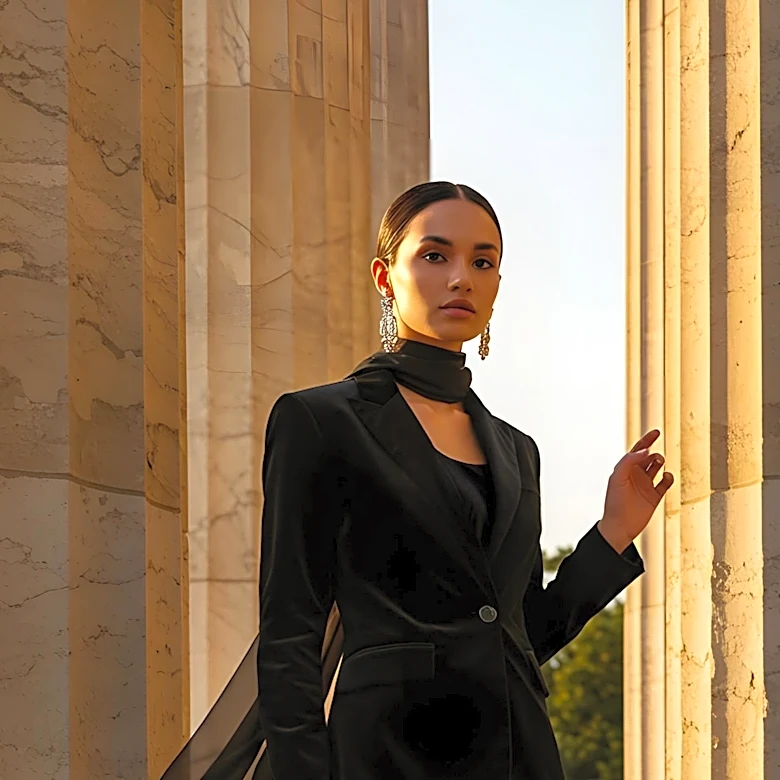
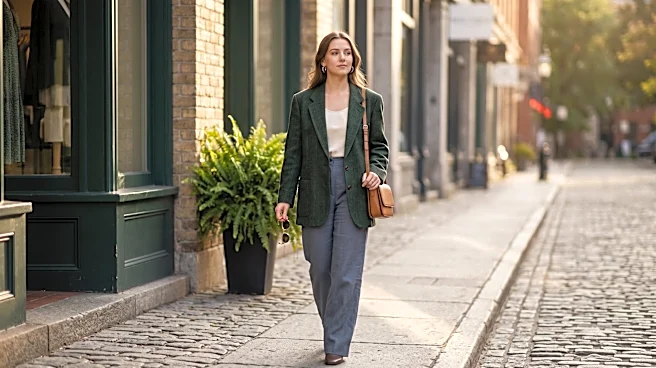
69% of consumers feel overwhelmed, and 64% believe the industry offers too much choice. The research also found that one-third of consumers abandon purchases because they cannot visualize how an item will look or fit. In response, ASOS is focusing on curation, AI, and styling-led shopping experiences to make fashion easier and more personal. This includes developing features like an AI Stylist and a hybrid virtual try-on approach, which allows shoppers to upload their own image or select an AI-generated virtual model to see how clothes would appear on them. The goal is to help customers understand fit, proportion, and styling more clearly, turning inspiration into purchase confidence.
Why It's Important?
This shift in strategy by ASOS reflects a broader evolution in the e-commerce landscape, particularly within the fashion industry. The findings highlight a critical pain point for online shoppers: the paradox of choice, where an abundance of options can lead to decision paralysis and abandoned carts. By prioritizing guidance and personalized styling over sheer volume, ASOS aims to enhance the customer experience, potentially increasing conversion rates and customer loyalty. This approach could set a new standard for online retailers, encouraging them to invest more in AI-powered personalization tools and virtual try-on technologies. For consumers, it promises a less stressful and more efficient shopping journey, where they can make more informed decisions about their purchases. This move also underscores the growing importance of technology in addressing fundamental challenges in online retail, moving beyond simple product display to interactive and personalized engagement.
What's Next?
ASOS is expected to further integrate AI and virtual try-on capabilities into its platform, refining its AI Stylist and expanding the hybrid virtual try-on options. This will likely involve continuous research into consumer behavior to fine-tune personalization algorithms and styling recommendations. Other online fashion retailers may adopt similar strategies, recognizing the need to provide more curated and guided shopping experiences. The development of more sophisticated AI models that can accurately predict fit and style preferences will be crucial. Additionally, there could be an increased focus on creating shoppable content that demonstrates how items can be styled into complete looks, moving away from showcasing individual products in isolation. This trend could lead to a more interactive and engaging online fashion retail environment, where technology plays a central role in simplifying the purchasing process.
Beyond the Headlines
The emphasis on guidance over choice in online fashion has deeper implications for consumer psychology and brand loyalty. In an era of information overload, consumers are increasingly seeking trusted sources and personalized recommendations. Retailers that successfully provide this guidance can build stronger relationships with their customers, fostering a sense of trust and understanding. This also challenges the traditional e-commerce model that often prioritizes vast inventories. The ethical considerations of AI-generated models and personalized recommendations will also become more prominent, requiring transparency and careful implementation to avoid biases or privacy concerns. Ultimately, this shift could redefine the value proposition of online fashion, moving it from a transactional platform to a personalized styling service, thereby elevating the overall shopping experience.