





What's Happening?
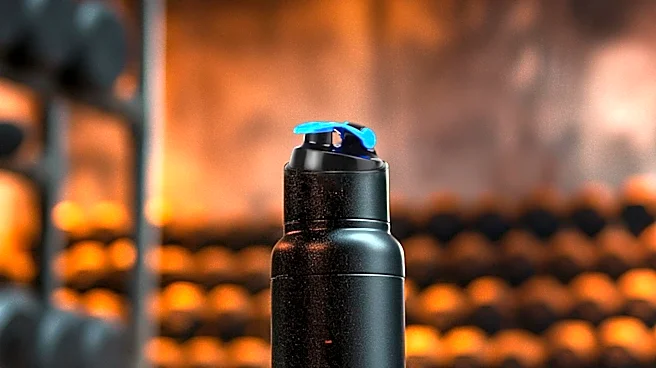
A comprehensive guide to 1L sports water bottles highlights key considerations for consumers seeking reliable and durable hydration solutions. The guide addresses common issues such as leaks, plastic taste, and premature wear, which often lead to disappointment
with poorly chosen bottles. It emphasizes the importance of material selection, comparing Tritan plastic, stainless steel, and standard plastic (PET, PP) based on durability, weight, health safety, and odor retention. Tritan is noted for being lightweight, impact-resistant, clear, and BPA-free, making it a popular choice. Stainless steel is valued for its robustness and insulating properties, though it is heavier and more expensive. Standard plastics are more affordable but less durable and prone to retaining odors. The guide also stresses the significance of a reliable cap mechanism, recommending screw-on caps and flip-top models with safety latches to prevent leaks. Ergonomics, including grip, handle, and a wide mouth for easy cleaning and filling, are also presented as crucial factors for a practical and user-friendly bottle.
Why It's Important?
This guide is important for U.S. consumers as it provides critical information for making informed purchasing decisions in a market saturated with various water bottle options. By detailing the pros and cons of different materials and design features, it helps consumers avoid common pitfalls and invest in products that meet their hydration needs and health standards. The emphasis on BPA-free materials like Tritan addresses growing health concerns regarding chemical exposure from plastics, aligning with public health initiatives and consumer demand for safer products. For businesses in the hydration product sector, this guide underscores the importance of quality materials, leakproof designs, and ergonomic features to meet consumer expectations and build brand trust. It also highlights market trends, such as the preference for durable, easy-to-clean, and health-conscious products, which can influence product development and marketing strategies. Ultimately, promoting better hydration practices through reliable products contributes to overall public health and well-being.
What's Next?
Consumers are likely to become more discerning in their water bottle purchases, prioritizing features like material safety, leakproof design, and ease of cleaning. This increased consumer awareness could drive manufacturers to innovate and improve their product offerings, focusing on high-quality, BPA-free materials and robust construction. Retailers may adjust their inventory to stock more bottles that align with these criteria, potentially leading to a shift in market availability towards more premium and health-conscious options. Educational campaigns or further guides might emerge to continue informing the public about sustainable and healthy hydration choices. The emphasis on specific materials like Tritan could also lead to increased demand for these raw materials, impacting supply chains and pricing within the manufacturing sector. Furthermore, as consumers become more educated, there may be a greater demand for transparency from brands regarding the materials used and their health implications.
Beyond the Headlines
The detailed guide on 1L sports water bottles touches upon deeper implications related to consumer health, environmental sustainability, and product responsibility. The discussion of BPA-free materials reflects a broader societal shift towards health-conscious consumption and a rejection of potentially harmful chemicals in everyday products. This trend extends beyond water bottles to other food and beverage containers, influencing regulatory discussions and industry standards. From an environmental perspective, the promotion of reusable water bottles, especially durable ones, contributes to reducing single-use plastic waste, aligning with global efforts to combat plastic pollution. The guide implicitly encourages a 'buy once, buy well' philosophy, which can lead to less consumption and waste over time. This also highlights the ethical responsibility of manufacturers to produce safe, durable, and environmentally friendly products, moving beyond planned obsolescence. The cultural dimension involves a growing awareness and prioritization of personal well-being and sustainable living, where hydration plays a key role.