


What's Happening?
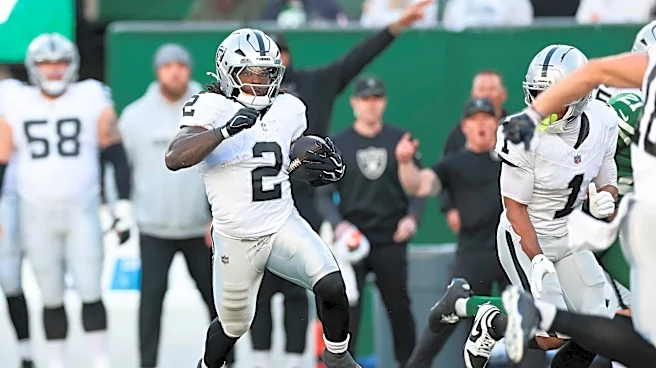
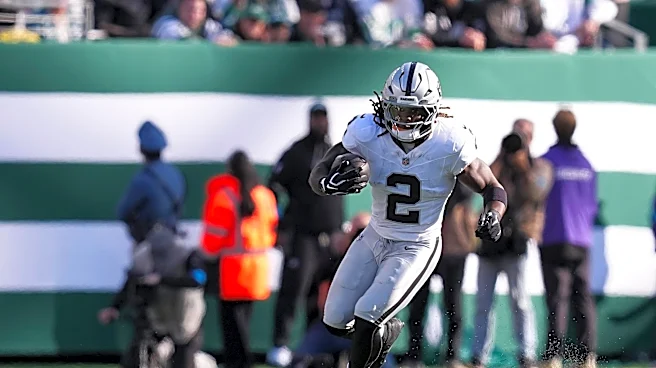
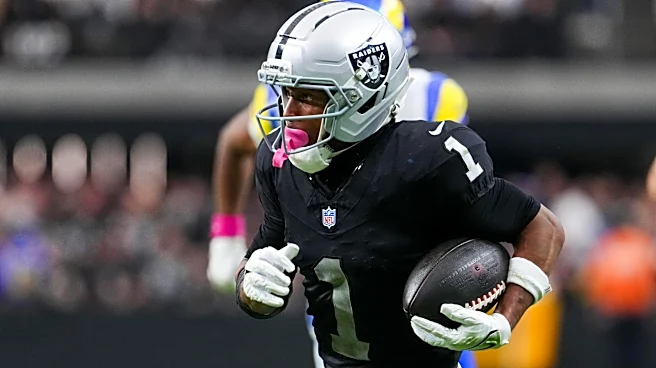
Las Vegas Raiders running back Ashton Jeanty has resumed his role as the team's lead back despite a disappointing performance in Week 9 against the San Francisco 49ers. After being benched in Week 8 in favor of Mike Washington, Jeanty out-snapped Washington 32-17
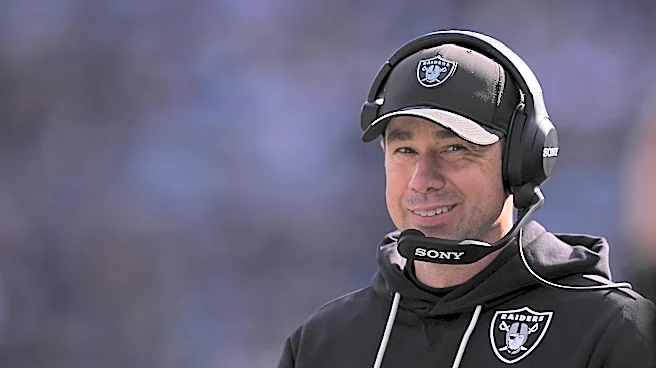
in the subsequent game. Both running backs received six carries, with Jeanty gaining 25 yards and Washington being stuffed for -3 yards. Jeanty also recorded five receptions, though they resulted in a net loss of five yards. This continues a trend of inefficiency for Jeanty, who has not surpassed 30 rushing yards in his last five games and has been one of the least efficient backs in the NFL since his debut last season. The overall production from the Raiders' running back corps remains a significant issue, regardless of who leads the backfield. Head coach Klint Kubiak has indicated that the workload split between Jeanty and Washington will be determined on a week-to-week basis, with Jeanty likely seeing more action in passing situations when the team is trailing.
Why It's Important?
The ongoing struggles of Ashton Jeanty and the Raiders' inability to establish a consistent run game have significant implications for the team's offensive strategy and overall competitiveness. A deficient running attack places increased pressure on the passing game, potentially making the offense more predictable and easier for opposing defenses to contain. This lack of ground production can also affect game flow, particularly in situations where the Raiders need to control the clock or convert short-yardage opportunities. For fantasy football players and analysts, Jeanty's fluctuating role and poor efficiency create uncertainty, making him a risky proposition. The team's inability to effectively run the ball, even against strong run defenses like the 49ers, highlights a fundamental weakness that could hinder their ability to compete for a playoff spot, despite a potentially favorable schedule later in the season. The situation also raises questions about the long-term viability of the current running back group and whether the team will need to address this position in future drafts or free agency.
What's Next?
The immediate future for Ashton Jeanty and the Raiders' backfield will likely involve a continued week-to-week evaluation by head coach Klint Kubiak. The split in carries and snaps between Jeanty and Mike Washington will depend on game script and opponent matchups. If the Raiders find themselves trailing in games, Jeanty is expected to receive more opportunities due to his involvement in the passing game, as Washington is not trusted in those situations. Conversely, if the Raiders are leading or keeping games close, Washington may see an increased workload. The team's overall offensive performance, particularly their ability to establish any semblance of a run game, will be closely monitored. Continued struggles could lead to further adjustments in personnel or strategy, potentially involving third-string running back Dylan Laube in passing downs. The Raiders' upcoming schedule and their ability to secure wins will heavily influence how the coaching staff manages the running back rotation and whether they seek external solutions in the future.
Beyond the Headlines
The persistent issues with the Las Vegas Raiders' running game, epitomized by Ashton Jeanty's struggles, point to deeper systemic challenges within the team's offensive scheme and personnel evaluation. Beyond individual player performance, the inability to consistently run the ball can impact team morale, offensive line development, and the overall identity of the offense. It forces the team to rely heavily on the passing game, which can be less sustainable over a full season, especially against top-tier defenses. This situation also highlights the increasing difficulty for NFL teams to find and develop highly efficient running backs, as the position's value and usage continue to evolve. The Raiders' predicament could influence future draft strategies, potentially leading them to invest significant capital in offensive linemen or a different style of running back. Furthermore, it underscores the importance of a balanced offensive attack in the modern NFL, where one-dimensional teams often struggle to achieve sustained success, impacting fan engagement and organizational confidence.