


What's Happening?
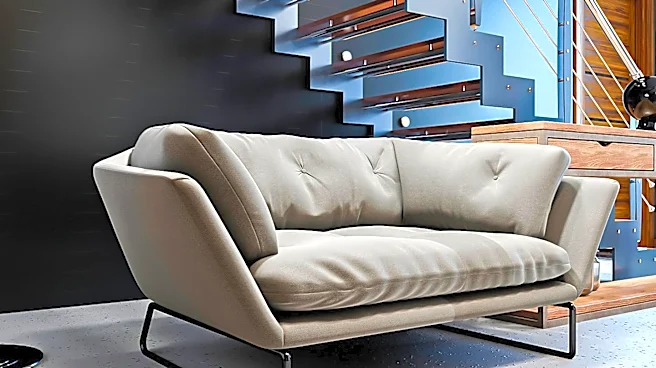
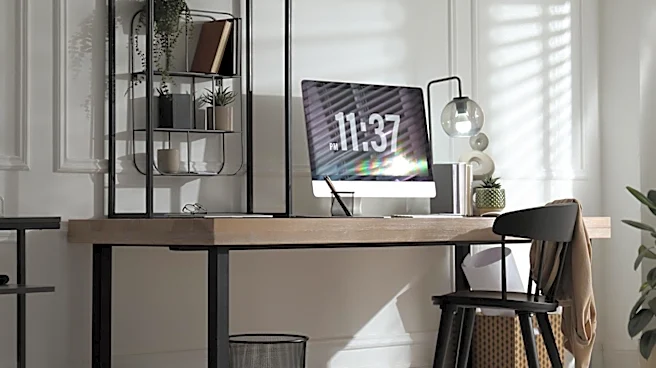
Many contemporary home office setups are designed to function effectively without requiring a dedicated room, often integrating into existing spaces like bedroom corners, under-stair areas, guest rooms, or living room walls. This trend reflects the reality
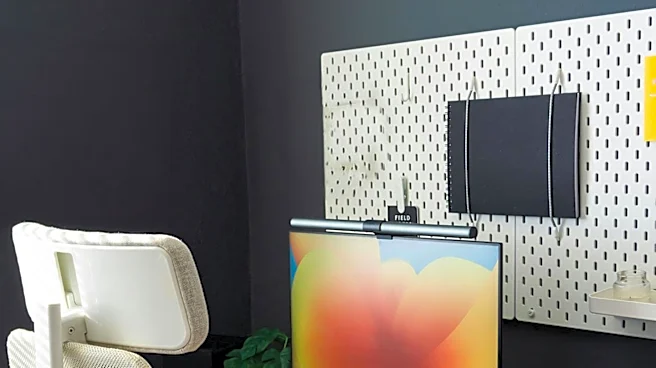
for most individuals working from home, where a separate office door is not always feasible. The focus is on creating functional and aesthetically pleasing workspaces that can seamlessly blend with the rest of the house. Examples include building desks into walnut panel walls in bedrooms, utilizing dark navy cabinets against light oak desks for contrast and storage, and incorporating long shared desks with sofa benches in guest rooms to accommodate multiple users or activities. Thoughtful design choices, such as rattan cabinet doors to conceal clutter and strategic lighting, are employed to make these integrated workspaces feel intentional and organized.
Why It's Important?
The evolution of home office design is crucial for the growing number of U.S. professionals working remotely or in hybrid models. This shift impacts urban planning, residential architecture, and furniture manufacturing, as demand increases for versatile and space-saving solutions. For individuals, an optimized home office setup can significantly enhance productivity, reduce stress, and improve work-life balance by providing a dedicated yet integrated workspace. Businesses may see benefits in employee satisfaction and retention, as comfortable and efficient home environments contribute to overall well-being. The trend also highlights a broader societal adaptation to flexible work arrangements, influencing how homes are designed and utilized, moving away from traditional, rigid room functions towards more adaptable and multi-purpose spaces. This can lead to innovations in smart furniture and modular living solutions.
What's Next?
Future developments in home office design are likely to focus on further integration of technology and ergonomics. We can expect to see more furniture pieces that serve dual purposes, such as desks that transform into decorative elements when not in use, or modular units that can be reconfigured to suit different needs. The emphasis on good lighting, noise reduction, and air purification through elements like indoor plants will continue to grow. Manufacturers may introduce more customizable built-in solutions that cater to specific architectural constraints and personal preferences. Additionally, the market for smart home office accessories, including advanced monitors, ergonomic chairs, and automated charging solutions, is expected to expand, further enhancing the efficiency and comfort of these integrated workspaces. The ongoing demand for remote work flexibility will drive continuous innovation in this sector.
Beyond the Headlines
The shift towards integrated home offices reflects a deeper cultural change in how Americans perceive work and living spaces. It blurs the traditional lines between professional and personal life, necessitating designs that support both without compromising either. This trend raises questions about the psychological impact of working in shared or multi-functional spaces, and how individuals maintain focus and boundaries. It also highlights the increasing importance of interior design as a tool for well-being, where aesthetics and functionality are intertwined to create environments that foster productivity and relaxation. The demand for such adaptable spaces could also influence real estate markets, with a premium placed on homes that offer flexible layouts or easily convertible areas, moving beyond the traditional 'extra bedroom' as a home office solution.