





What's Happening?
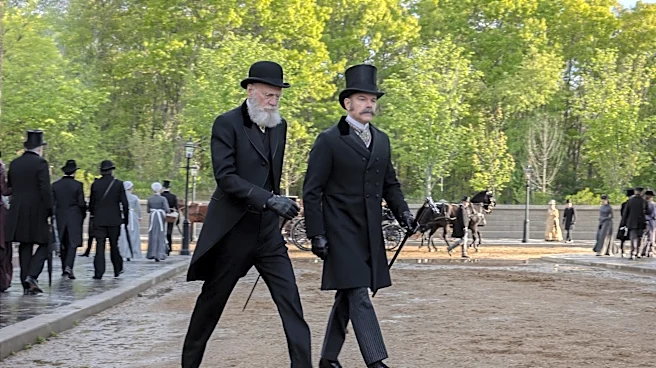
The cast of HBO's 'The Gilded Age,' set in 1880s New York City, recently held a press conference at the Plaza Hotel to discuss the show's fourth season. Actors Carrie Coon (Bertha Russell), Morgan Spector (George Russell), Ben Ahlers (Jack Trotter), Audra
McDonald (Dorothy Scott), Denée Benton (Peggy Scott), Cynthia Nixon (Ada Forte), and Blake Ritson (Oscar Van Rhijn) highlighted how the struggles of their characters—such as women's rights, racial inequality, economic class divides, and the pursuit of power—remain relevant today. Carrie Coon, for instance, connected Bertha Russell's ambition to contemporary issues like the erosion of civil rights and the healthcare crisis for women in the United States. Morgan Spector noted his character George Russell's internal conflict regarding his principles, while Ben Ahlers discussed the challenges of upward mobility for his character Jack Trotter, a former servant who achieves success. The series continues to explore themes of wealth, social status, and personal identity within the historical context of the Gilded Age.
Why It's Important?
The discussion by 'The Gilded Age' cast underscores the enduring nature of societal challenges, demonstrating that issues prevalent in late 19th-century America continue to resonate in the modern U.S. The show's portrayal of women's rights, racial inequality, and class disparities highlights the historical roots of ongoing debates and movements. For instance, Carrie Coon's comments on women's healthcare and civil rights draw a direct line from historical struggles to current policy discussions in the U.S., emphasizing the long-term impact of these issues on American society. The exploration of wealth and social mobility, as discussed by Ben Ahlers, reflects persistent questions about economic opportunity and the responsibilities of the affluent in American capitalism. By presenting these themes through a historical lens, the series encourages viewers to consider how past societal structures and prejudices continue to shape contemporary American life and policy, affecting various demographic and economic groups.
What's Next?
The fourth season of 'The Gilded Age' is currently airing new episodes every Sunday at 9 p.m. ET on HBO and simultaneously on HBO Max. As the season progresses, viewers can expect to see further development of the characters' storylines, particularly regarding their navigation of social expectations, personal ambitions, and societal constraints. The show will likely continue to draw parallels between the historical period and modern-day issues, prompting ongoing discussions about social justice, economic inequality, and personal freedom in the U.S. The cast's insights suggest that future episodes will delve deeper into the complexities of balancing love and work, as highlighted by Denée Benton's character Peggy, and the challenges faced by marginalized groups, such as Oscar Van Rhijn's experience as a gay man in a restrictive society. These narratives are expected to maintain the show's relevance and spark continued dialogue among its audience.
Beyond the Headlines
Beyond its entertainment value, 'The Gilded Age' serves as a cultural mirror, reflecting ethical and legal dimensions of American history that continue to influence contemporary society. The show's depiction of the 'new money' versus 'old money' dynamic, and the struggles of characters like Jack Trotter to ascend the social ladder, illuminates the persistent American narrative of self-made success and the inherent class tensions within the capitalist system. The discussions around racial inequality, particularly through the characters of Dorothy and Peggy Scott, highlight the deep-seated historical injustices that continue to impact Black Americans, even those from privileged backgrounds. Furthermore, the portrayal of Oscar Van Rhijn's challenges as a gay man in the 1880s underscores the long fight for LGBTQ+ rights and the ongoing relevance of social acceptance and legal protections. The series implicitly questions the responsibilities of wealth, contrasting historical community investment with modern tendencies for the affluent to disengage, prompting reflection on long-term societal shifts in civic engagement and philanthropy.