






What's Happening?
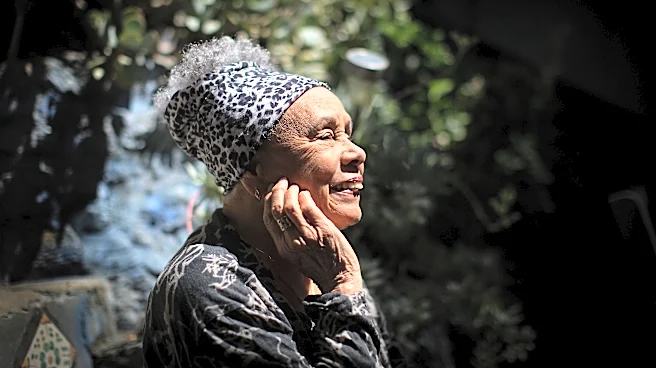
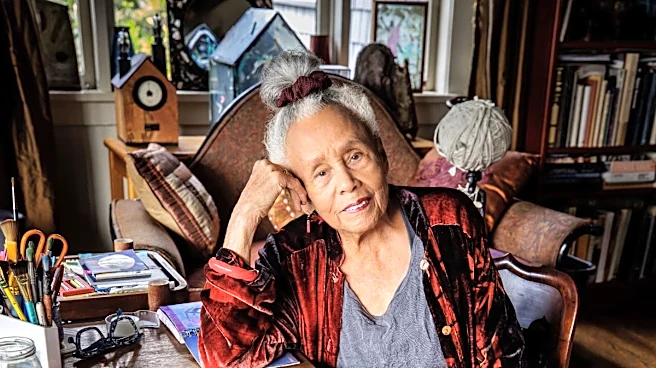
Betye Saar, an influential American artist known for transforming Black stereotypes into powerful symbols of resistance, has died at the age of 99. Saar's work, particularly her assemblages, challenged racial and gender stereotypes, with pieces like 'The
Liberation of Aunt Jemima' becoming iconic in the art world. Her art often incorporated everyday objects to create thought-provoking installations that addressed social and political issues. Saar's legacy is celebrated for its impact on the Black women's movement and its enduring influence on contemporary art.
Why It's Important?
Betye Saar's contributions to art and social justice have left a lasting impact on both fields. Her work not only challenged societal norms but also inspired generations of artists to use their platforms for activism. Saar's ability to transform derogatory images into symbols of empowerment has been pivotal in the fight against racial and gender discrimination. Her passing marks the end of an era, but her legacy continues to inspire and provoke critical conversations about race, identity, and resistance.
Beyond the Headlines
Saar's art was deeply personal, drawing from her own experiences and heritage. Her ability to weave personal narratives with broader social issues created a unique and powerful voice in the art world. As the art community reflects on her legacy, there may be renewed interest in her work and its relevance to contemporary social movements. Saar's influence extends beyond art, as her themes of resistance and empowerment resonate with ongoing struggles for equality and justice.