



What's Happening?
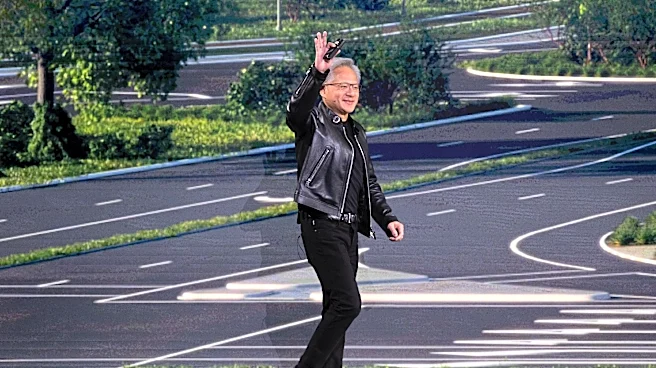
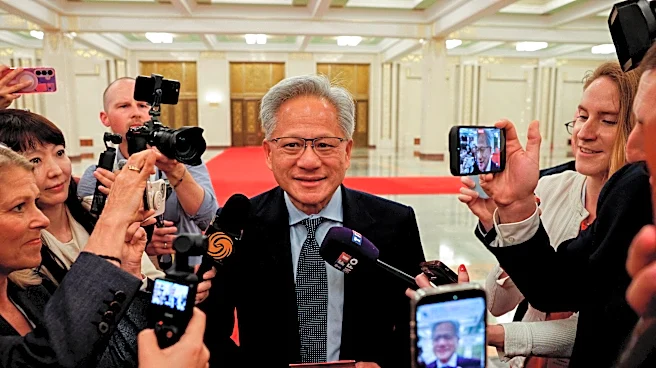
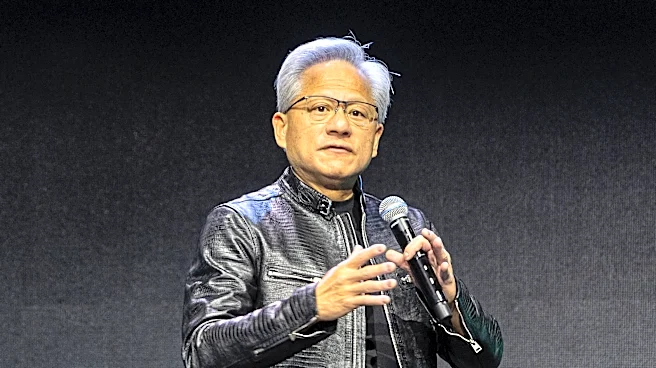
Jensen Huang has been reinstated as CEO of Nvidia following his resignation on November 12 due to extramarital affairs, including one with a subordinate, and suspicions of circumventing chip export restrictions to China. His return has reignited criticisms
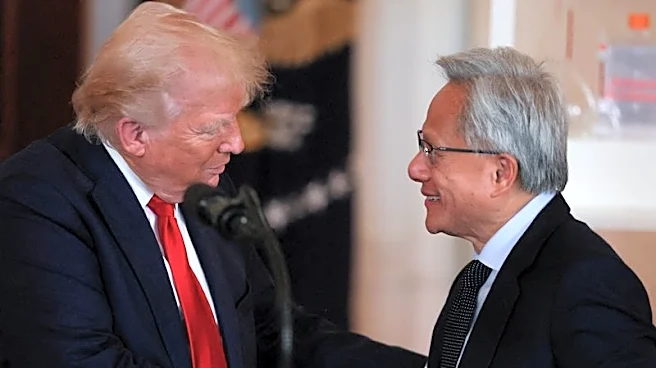
regarding the impunity of powerful men and sexism within the tech industry. President Trump publicly claimed credit for brokering the deal that led to Huang's return, stating on CNBC, "It's me who concluded the deal." This intervention followed a successful petition in Silicon Valley, supported by figures like Elon Musk, advocating for Huang's reinstatement. The Nvidia board had initially appointed Colette Kress, the company's CFO, as interim CEO. However, her interim leadership was cut short by the campaign for Huang's return and President Trump's involvement. Critics, including Sarah Kunst, CEO of Cleo Capital, argue that this situation exemplifies a 'hero worship' culture in tech, where some powerful men are perceived to be above accountability.
Why It's Important?
The reinstatement of Jensen Huang, particularly with President Trump's direct involvement, carries significant implications for corporate governance, ethical standards, and gender equality discussions within the U.S. tech sector. It highlights the immense influence of powerful individuals and political figures in corporate decisions, potentially overriding board resolutions and public sentiment regarding ethical conduct. The incident also draws attention to the 'glass cliff' phenomenon, where women are often appointed to leadership roles during crises, only to be replaced once stability is restored or if they face challenges. This reinforces existing gender disparities in leadership and raises questions about the genuine commitment to diversity in the tech industry. The geopolitical context, with suspicions of circumventing export restrictions to China, adds another layer of complexity, suggesting that economic and political considerations can sometimes overshadow ethical concerns in high-stakes corporate leadership decisions.
What's Next?
The tech industry and corporate governance advocates will likely continue to scrutinize Nvidia's leadership and the broader implications of this reinstatement. Discussions around ethical leadership, accountability for powerful executives, and gender representation in tech are expected to intensify. The role of political figures in corporate affairs may also become a more prominent point of debate. Nvidia's future performance under Huang's renewed leadership will be closely watched, especially concerning its handling of international trade regulations and its internal corporate culture. The incident could prompt other companies to re-evaluate their own governance structures and succession planning, particularly in how they address ethical breaches by high-profile executives. The 'glass cliff' concept may gain further traction in academic and corporate discussions as a result of this event.
Beyond the Headlines
This event transcends a simple corporate leadership change, touching upon deeper societal issues within the U.S. The 'hero worship' culture in Silicon Valley, where founders are often seen as indispensable, is brought into sharp relief, potentially hindering accountability and fostering an environment where ethical lapses are overlooked. The intervention of President Trump also underscores the increasing politicization of corporate decisions, particularly in strategically important sectors like technology. This could set a precedent for future political involvement in private sector leadership, blurring the lines between business and politics. Furthermore, the incident highlights the persistent challenges women face in reaching and maintaining top leadership positions, even when appointed to critical interim roles. It prompts a re-examination of the criteria for leadership, emphasizing integrity and ethical conduct alongside business acumen, and questioning whether these values are consistently applied across genders.