





What's Happening?
As fall 2026 approaches, skincare recommendations for Black men are emphasizing routines designed to address post-inflammatory hyperpigmentation (PIH) and early signs of aging. The summer sun often deepens existing dark spots and creates new ones on melanin-rich
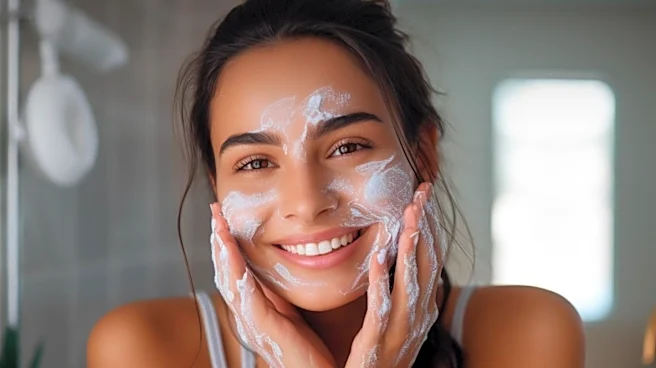
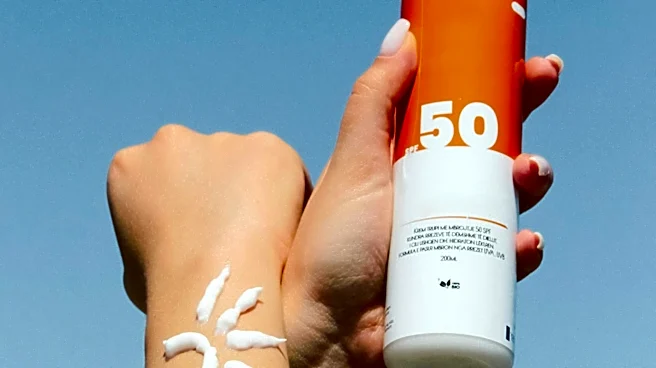
skin, which become more noticeable as tans fade. Cooler, drier indoor air also contributes to skin moisture loss. Therefore, the focus shifts from basic maintenance to targeted treatments for tone and texture. A foundational four-step daily system is recommended for beginners, including a sulfate-free daily face wash, a gentle exfoliating scrub (twice weekly), a morning moisturizer with SPF 20, and a nighttime moisturizer. For those looking to advance their routine, a six-step anti-aging system is suggested, incorporating an eye cream and a facial firming serum. Gentle cleansing and fine-particle exfoliation are crucial to prevent irritation and new dark spots, while daily SPF is essential for preventing sun-driven pigmentation. Retinol, in gentle, low-strength forms, is considered safe and effective for Black skin to speed up cell turnover and fade PIH, provided it's introduced slowly to avoid irritation.
Why It's Important?
This shift in skincare focus is important because post-inflammatory hyperpigmentation is a common and persistent concern for individuals with melanin-rich skin. Dark spots can take six to twelve months to fade naturally, and irritation can exacerbate their formation. By providing targeted routines, the industry is addressing a specific dermatological need within the Black male community, promoting skin health and confidence. The emphasis on gentle products and slow introduction of actives like retinol is critical, as aggressive treatments can lead to further irritation and worsen hyperpigmentation on Black skin. Furthermore, the recommendation for year-round SPF use highlights the ongoing need for sun protection, even as seasons change, to prevent new dark spots and protect against UV damage. This tailored approach acknowledges the unique characteristics of Black skin, moving beyond generic skincare advice to offer more effective and preventative solutions.
What's Next?
Individuals can begin by adopting the recommended four-step essential routine to establish a consistent foundation. Once comfortable, they can gradually introduce advanced products like facial firming serums and gentle retinol, as found in anti-aging routines, to target uneven tone and early signs of aging. It is advised to start retinol use once or twice a week at night and gradually increase frequency as the skin adjusts, always applying SPF the following morning due to increased sun sensitivity. Weekly use of a detoxifying clay mask is also suggested to control oil and congestion, which can lead to breakouts and subsequent dark spots. For those with razor bumps and ingrown hairs, which are significant drivers of dark spots, smart shaving techniques are crucial. The industry may continue to see a rise in products specifically formulated for melanin-rich skin, focusing on gentle ingredients and effective treatments for hyperpigmentation and anti-aging concerns.
Beyond the Headlines
The detailed skincare recommendations for Black men reflect a growing recognition within the beauty industry of the diverse needs of different skin types and tones. Historically, general skincare advice often overlooked the specific concerns of melanin-rich skin, such as the prevalence and persistence of post-inflammatory hyperpigmentation. This targeted approach signifies a move towards more inclusive and effective skincare solutions. It also underscores the importance of education regarding ingredient efficacy and proper application, particularly for potent actives like retinol, to prevent adverse reactions. The emphasis on consistency over intensity in skincare routines for Black skin highlights a broader understanding that irritation can be counterproductive, leading to more significant issues like dark spots. This trend could lead to further research and development in dermatological products tailored to specific ethnic skin concerns, fostering better skin health outcomes and greater consumer satisfaction across diverse populations.