






What's Happening?
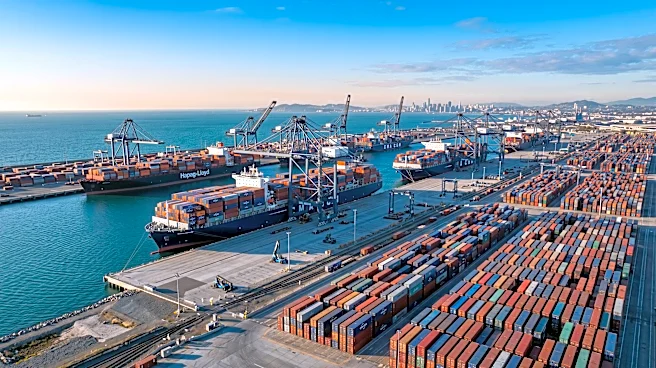
Ocean carriers are increasingly implementing 'blanked sailings,' which involve canceling port stops or entire ship routes. This practice, driven by factors such as the need to get ships back on schedule, low demand, or port strikes, is significantly disrupting
global supply chains. Other contributing factors to the difficulty in ocean shipping include COVID-related port closures, geopolitical conflicts like the Iran war affecting the Strait of Hormuz, and weather events such as droughts impacting the Panama Canal. When blanked sailings occur, shipments are shifted to other vessels, reducing overall shipping capacity and subsequently increasing prices for the remaining available slots. This tactic appears to be used by shipping carriers to raise shipping prices. The consequence for businesses includes longer lead times, higher inventory levels, increased overall costs, and potential production disruptions, making planning more challenging across the entire supply chain.
Why It's Important?
The rise in blanked sailings has significant implications for U.S. industries and consumers. For businesses, the unpredictability and increased costs associated with these disruptions can erode profit margins and complicate inventory management. Companies may need to invest more in safety stock and time cushions in their shipping schedules to mitigate the impact, which ties up capital and adds to operational expenses. Ultimately, these increased costs are often passed on to consumers in the form of higher prices for goods, contributing to inflationary pressures. Furthermore, the potential for product shortages due to unreliable shipping schedules can affect consumer access to desired items, particularly during peak shopping seasons. The instability in ocean shipping also highlights vulnerabilities in global trade networks, urging companies to re-evaluate their supply chain resilience and potentially diversify their logistics strategies.
What's Next?
Companies are advised to develop robust contingency plans to quickly adapt to blanked sailings, including monitoring shipping companies for alerts and tracking individual carrier reliability to inform future selections. Establishing relationships with multiple carriers or utilizing large freight forwarders with reserved capacity can facilitate easier cargo transfers. Negotiating contracts with carriers that include penalties for blanked sailings or guaranteed delivery times could also help mitigate risks. Prioritizing high-profit or critical products will ensure that the most essential items are less affected. Furthermore, enhanced coordination with suppliers and customers is crucial to allow for schedule adjustments when disruptions occur. Consumers should anticipate potential product shortages and higher prices as these increased costs are transferred to them.
Beyond the Headlines
The prevalence of blanked sailings underscores a broader shift in the dynamics of global trade and logistics. Beyond the immediate financial and operational impacts, this trend raises questions about the power balance between ocean carriers and their clients. The ability of carriers to unilaterally cancel routes and effectively manipulate capacity to increase prices suggests a market where shippers have limited leverage. This could lead to calls for greater regulatory oversight or industry-wide standards to ensure more predictable and fair shipping practices. The long-term implications might include a re-evaluation of just-in-time inventory models, with companies opting for more resilient, albeit potentially more costly, supply chain designs. This could also accelerate the trend towards regionalization of supply chains, as businesses seek to reduce reliance on volatile international shipping routes.