




What's Happening?
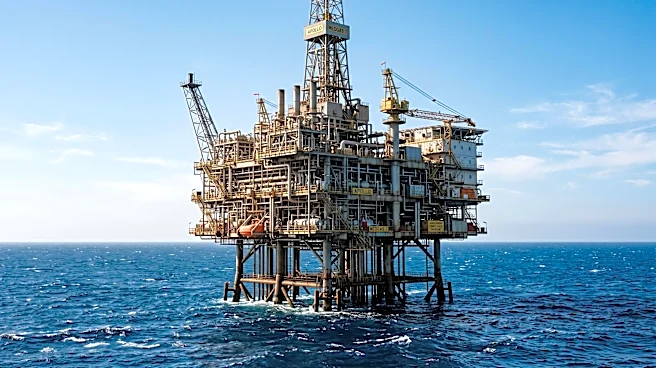
Mubadala Investment Company, a sovereign investment firm from the UAE, acquired a 22% stake in Israel's Tamar and Dalit natural gas fields in 2021 for approximately US$1 billion. This transaction highlights a direct transfer of Emirati capital into a strategic
Israeli asset. Natural gas is considered a critical resource, and the development of these offshore fields is expected to boost production and export capabilities, ensuring a steady revenue stream. This investment positions Emirati capital as a partner in Israel's energy sector, sharing in the returns generated by these assets. Beyond direct investments, Arab financial surpluses are also channeled into Israeli companies through intermediaries. For instance, Affinity Partners, an investment fund founded by Jared Kushner, reportedly raised about US$2 billion from Gulf investors, including Saudi Arabia, the UAE, and Qatar. This fund subsequently invested in Phoenix Financial, a major Israeli financial and insurance institution, acquiring a significant stake. These examples illustrate how Arab wealth is increasingly flowing into various sectors of the Israeli economy, either directly or through complex financial structures.
Why It's Important?
The direct and indirect investments of Arab capital into the Israeli economy, particularly in strategic sectors like energy and technology, signify a notable shift in regional economic dynamics. The acquisition by Mubadala in Israel's natural gas fields not only provides capital for Israel's energy infrastructure but also integrates Emirati interests directly into Israel's economic success in this sector. This trend extends to technology and cybersecurity, with Gulf money financing companies with Israeli roots, even if they have relocated their headquarters. The involvement of major Gulf sovereign wealth funds, which collectively manage trillions of dollars, in these investments suggests a growing economic interdependence that transcends traditional political narratives. This flow of capital provides Israel with significant financial resources, supports its economic expansion, and creates new markets and revenue streams for Israeli companies. For the Gulf states, these investments offer financial returns and diversification of their portfolios, but they also raise questions about the alignment of economic practices with broader political stances regarding the Israeli-Palestinian conflict.
What's Next?
The continued flow of Arab capital into the Israeli economy is likely to foster deeper economic integration between Israel and certain Arab nations. This trend could lead to further investments in various sectors, including infrastructure, technology, and finance, as Gulf sovereign wealth funds seek profitable opportunities. The expansion of trade relations, exemplified by the significant increase in goods traded between the UAE and Israel, suggests that these economic ties are becoming more robust and multifaceted. Future developments may include more joint ventures, technological collaborations, and increased energy cooperation, such as Egypt's growing reliance on Israeli gas imports. However, the political implications of these economic relationships will likely remain a subject of scrutiny, particularly concerning the perceived contradiction between political rhetoric and economic realities. The mechanisms through which Arab surpluses are managed and deployed will continue to shape the economic landscape of the region, potentially leading to a more intertwined, albeit complex, economic future.
Beyond the Headlines
The increasing economic integration between Arab nations and Israel, fueled by Arab financial surpluses, presents a complex ethical and political dilemma. While these investments offer economic benefits and foster regional stability through shared financial interests, they also raise questions about the long-term implications for the Israeli-Palestinian conflict. The argument that Arab wealth is inadvertently contributing to the economic strength of an entity that many Arab societies oppose highlights a profound contradiction. This situation underscores the power of capital to transcend political boundaries and ideological differences, driven by the pursuit of returns. It also brings to light the lack of public oversight over how sovereign wealth funds, controlled by ruling authorities, deploy vast sums of money. This dynamic suggests that economic decisions are often detached from the sentiments of the broader populace, leading to a disconnect between official political stances and actual financial practices. The long-term shift could be towards a more economically integrated Middle East, where financial interests increasingly dictate regional relationships, potentially reshaping traditional alliances and conflicts.