




What's Happening?
Homeowners are increasingly seeking versatile decor ideas for small media rooms to create spaces that are both stylish and functional for multiple uses. The focus is on balancing a cinematic atmosphere with the warmth of a comfortable home. Decor strategies
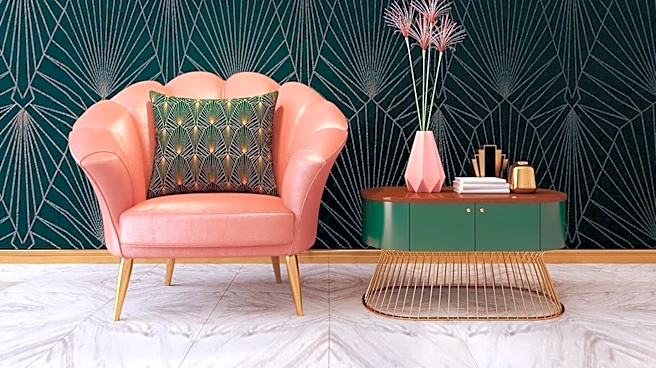
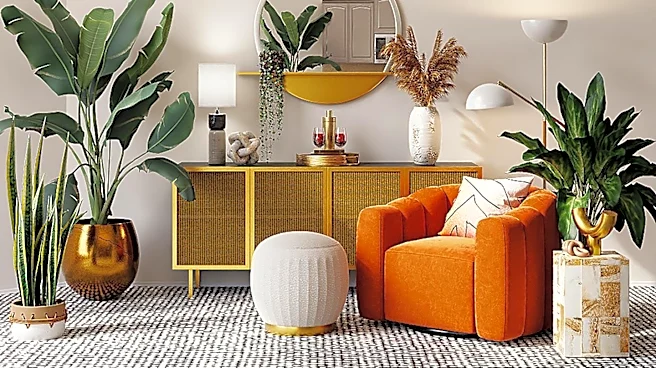
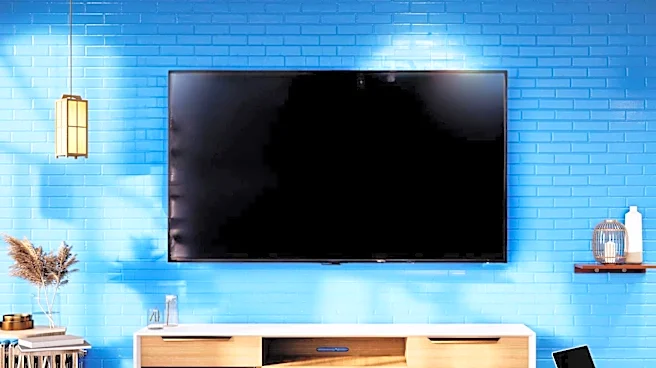
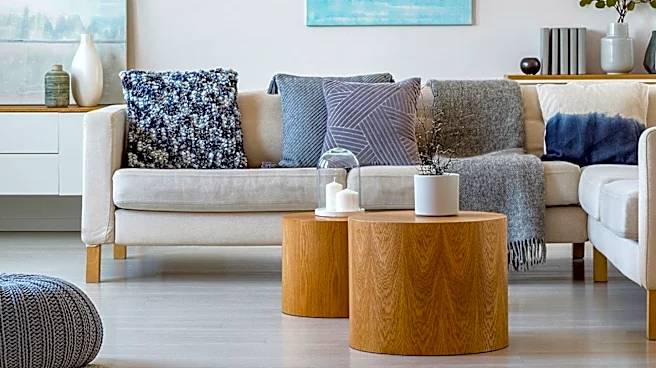
include choosing color palettes that suit the room's mood, such as moody colors for a cinematic feel or warm neutrals for everyday entertainment spaces. Wall treatments like wood paneling, textured wallpaper, or accent walls are used to make the screen wall a decorative feature. Layered lighting, combining ambient, accent, and task lighting, is crucial for creating different atmospheres. Soft furnishings like rugs, curtains, cushions, and throws add warmth and comfort. Personalization through framed movie posters, personal photography, and floating display shelves helps make the room feel connected to the rest of the home, ensuring the space is inviting even when the television is off.
Why It's Important?
The emphasis on versatile media room decor reflects a broader trend in residential design where spaces need to serve multiple functions. As homes become more compact and lifestyles more dynamic, homeowners are looking for ways to maximize the utility and aesthetic appeal of every room. A media room that can seamlessly transition from a dedicated viewing area to a family lounge or a quiet reading nook adds significant value to a home. This trend impacts the interior design industry by driving demand for adaptable furniture, lighting solutions, and decorative elements. It also influences consumer choices, as individuals prioritize decor that offers flexibility and longevity. The ability to create a cohesive yet adaptable space enhances the overall living experience, catering to diverse activities and preferences within the household.
What's Next?
The evolution of media room decor will likely see further integration of smart home technology to enhance versatility and user experience. Expect more advanced lighting systems that can dynamically adjust color and intensity based on activity, as well as automated curtain and screen controls. Modular and multi-functional furniture pieces designed specifically for adaptable media rooms will become more prevalent. Designers will continue to explore innovative materials and textures that contribute to both acoustic performance and aesthetic appeal. The trend towards personalization will also deepen, with more options for custom artwork, integrated display solutions, and bespoke storage. As virtual reality and augmented reality technologies become more mainstream, media rooms may also evolve to incorporate these immersive experiences, requiring decor that supports both traditional viewing and new digital interactions.
Beyond the Headlines
The desire for versatile media room decor goes beyond mere aesthetics; it speaks to a fundamental human need for adaptable environments that support a range of emotional and social experiences. A well-designed multipurpose media room can foster family bonding during movie nights, provide a quiet retreat for individual relaxation, or serve as a vibrant space for entertaining guests. This adaptability contributes to mental well-being by offering varied sensory experiences and reducing feelings of confinement in smaller living spaces. Ethically, it promotes a more sustainable approach to home design by encouraging the efficient use of space and resources, rather than dedicating entire rooms to single, infrequent uses. Culturally, it reflects a shift towards more integrated living, where technology and comfort coexist harmoniously, making the home a central hub for diverse activities and personal expression.