
What's Happening?
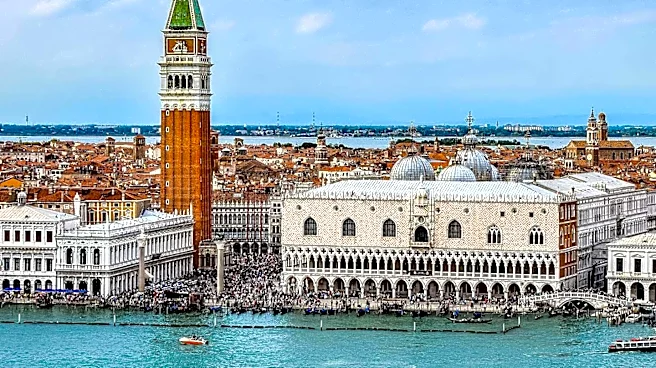
Venice has introduced new regulations aimed at managing overtourism, a growing concern for the historic city. In 2024, an entry fee for day visitors was implemented on selected peak dates, a scheme that
has continued since its inception. Visitors staying overnight are generally exempt from this fee, though checking the city's official site for current calendars and exemptions is advised. Additionally, the city has imposed restrictions on tour groups in its historic center. Since mid-2024, tour groups are limited to a maximum of 25 people, and the use of loudspeakers by guides has been banned. These measures are designed to alleviate congestion in Venice's narrow streets and reduce noise levels for residents. While guided tours are the primary target of these regulations, independent travelers may also experience their effects. These initiatives are part of Venice's ongoing efforts to balance tourism with the preservation of its unique environment and the quality of life for its inhabitants.
Why It's Important?
The implementation of entry fees and tour group restrictions in Venice signifies a broader global trend among popular tourist destinations grappling with the negative impacts of overtourism. This move highlights the increasing pressure on local infrastructure, the environment, and the daily lives of residents in highly visited areas. For the tourism industry, these measures could set a precedent, encouraging other cities to adopt similar strategies to manage visitor flows. While potentially reducing the sheer volume of tourists, such policies aim to foster a more sustainable and respectful form of tourism. This shift could lead to a re-evaluation of travel practices, with a greater emphasis on responsible tourism and the preservation of cultural heritage. For travelers, it means a potential increase in costs and changes in how they experience popular destinations, pushing them towards more planned and perhaps less spontaneous travel. The success or failure of Venice's approach could influence future tourism policies worldwide.
What's Next?
Venice is expected to continue monitoring the effectiveness of its entry fee system and tour group regulations, potentially adjusting them based on observed impacts on congestion, resident satisfaction, and tourism revenue. Other popular destinations facing similar challenges may closely observe Venice's experience as they consider implementing their own measures to combat overtourism. This could lead to a wider adoption of similar policies, such as timed entry systems, increased tourist taxes, or further restrictions on group sizes in other European cities and global hotspots. The tourism industry, including tour operators and accommodation providers, will likely need to adapt to these evolving regulations, potentially offering more tailored or smaller-group experiences. Travelers should anticipate the need for more advance planning and budgeting for potential entry fees or permits when visiting popular destinations, as the trend towards managing tourist numbers is likely to intensify.
Beyond the Headlines
The measures taken by Venice reflect a deeper societal debate about the true cost of mass tourism and the balance between economic benefits and environmental/cultural preservation. This situation brings to the forefront ethical questions regarding who has the right to access global heritage sites and at what cost. It also underscores the tension between the globalized nature of travel and the local impacts on communities. The restrictions could inadvertently shift tourism to less regulated areas, potentially creating new 'overtourism' hotspots. Furthermore, these policies might lead to a two-tiered tourism system, where those with greater financial means can more easily access prime destinations, raising concerns about equity and accessibility in travel. The long-term success of Venice's strategy will depend not only on its immediate impact on crowd control but also on its ability to foster a sustainable tourism model that respects both visitors and residents, while preserving the city's unique character for future generations.