






What's Happening?
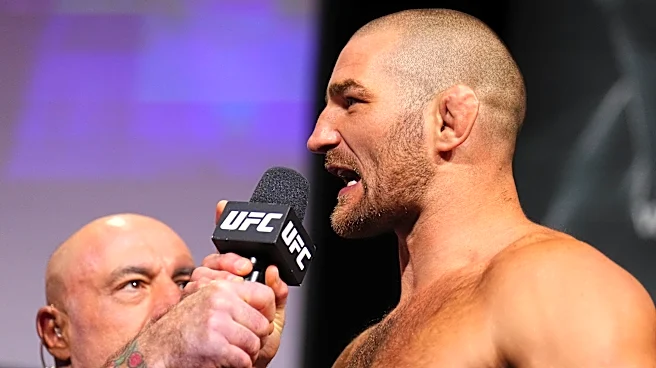
UFC fighter Sean Strickland has issued an apology to fellow fighter Dustin Poirier after initially questioning the legitimacy of Poirier's depression. The incident began after Poirier discussed his struggles with depression during a podcast appearance,
linking his mental health issues to childhood trauma and post-retirement challenges. Following Poirier's arrest at the Atlanta airport, Strickland publicly doubted Poirier's claims of depression, suggesting that successful and wealthy individuals like Poirier should not experience such issues. However, after a conversation with Poirier, Strickland acknowledged the seriousness of Poirier's condition and expressed regret for his earlier comments.
Why It's Important?
This incident highlights the ongoing stigma surrounding mental health, particularly in the context of male athletes. Strickland's initial comments reflect a common misconception that success and wealth shield individuals from mental health struggles. The apology signifies a shift in understanding and acknowledges the reality of mental health issues, regardless of one's socioeconomic status. This development is significant as it may encourage more open discussions about mental health in sports, potentially leading to better support systems for athletes dealing with similar challenges.
What's Next?
The apology from Strickland could prompt further dialogue within the sports community about mental health awareness and support. Organizations like the UFC may consider implementing more comprehensive mental health resources for their athletes. Additionally, Poirier's openness about his struggles might inspire other athletes to share their experiences, fostering a more supportive environment. Stakeholders in the sports industry, including coaches and sports psychologists, may also play a role in advocating for mental health education and resources.
Beyond the Headlines
The incident underscores the broader cultural shift towards recognizing and addressing mental health issues in traditionally stoic environments like professional sports. It challenges the stereotype that athletes must always exhibit toughness and resilience, opening the door for more nuanced conversations about mental health. This could lead to long-term changes in how mental health is perceived and managed in sports, potentially influencing public perceptions and reducing stigma.