

What's Happening?
U.S. grocery prices rose by 0.4% in October 2026, according to the Consumer Price Index (CPI) data released by the Bureau of Labor Statistics on November 10. This increase follows a 0.1% decline in September and marks the largest monthly rise since April.
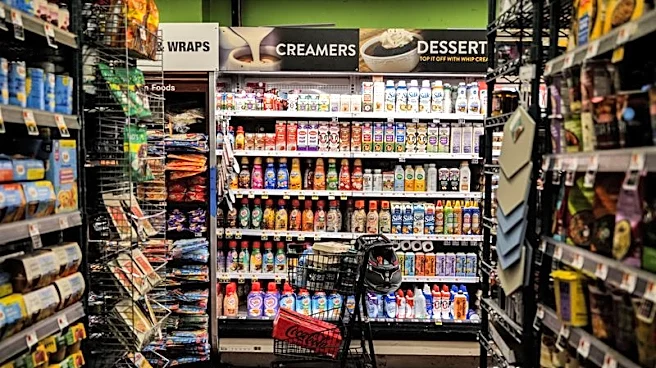
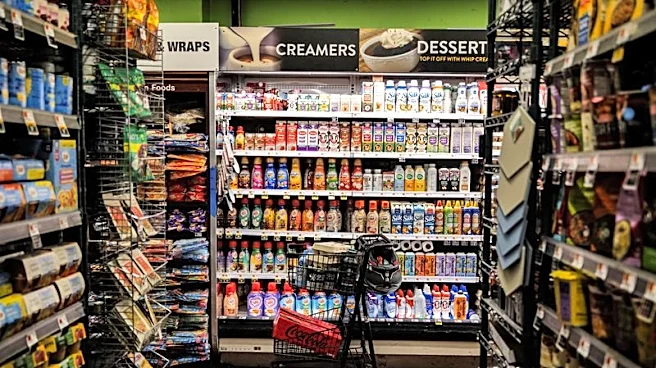
The 'food-at-home' index saw higher prices across several categories, with four of the six major supermarket food groups recording increases. Notably, snacks rose by 1.0%, beef prices were up 0.9%, and both fruits and vegetables, and dairy and related products, increased by 0.6%. The wider food index, which includes food away from home, increased by 0.5%. Prices for non-alcoholic beverages, however, fell by 0.3% after a 0.9% rise in September, while cereals and bakery products remained unchanged. The overall Consumer Price Index for All Urban Consumers also rose by 0.4% in October.
Why It's Important?
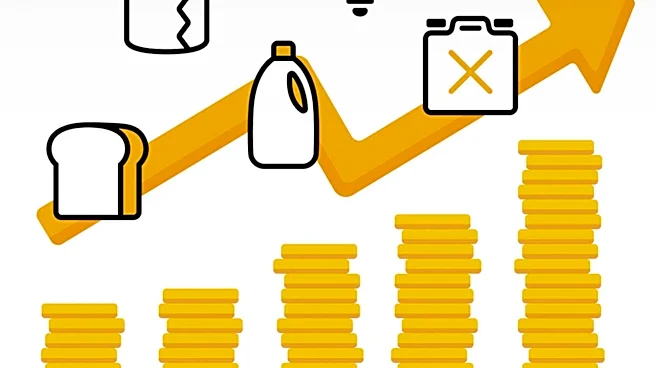
This increase in grocery prices is significant for U.S. consumers and the retail sector, as it indicates a resurgence of inflationary pressures on household budgets after a period of relative stability. The targeted increases in categories like snacks, beef, and produce mean that consumers will feel the pinch in specific areas of their grocery spending. For supermarkets, this data highlights the varied inflationary environment across different departments, necessitating tailored pricing and promotional strategies. The rise in food prices, coupled with a 0.7% increase in energy prices, suggests that higher input costs are being passed on to consumers. This trend could impact shopper value perceptions and potentially shift consumer purchasing habits, with implications for both national brands and private-label ranges. The Bureau of Labor Statistics noted that most 12-month inflation comparisons for October were unavailable due to federal appropriations delays in collecting October 2025 survey data, making it difficult to assess the annual inflation rate accurately.
What's Next?
The Bureau of Labor Statistics is scheduled to release its next CPI report, covering November 2026, on December 10. This upcoming report will be crucial for determining whether the October increases in beef, produce, dairy, and snacks continue, and if the easing in beverage prices persists. These future readings will help ascertain if October's figures represent a broader return to grocery inflation or a more localized, category-specific movement. For grocery suppliers and retailers, the immediate focus will be on monitoring these category-specific trends to adjust inventory, pricing, and promotional strategies accordingly. Consumers, particularly those with tighter budgets, will likely continue to face pressure, potentially leading to increased demand for value-oriented products or shifts in their shopping patterns.
Beyond the Headlines
The varied price movements across grocery categories underscore the complex dynamics of food inflation, which is influenced by factors such as supply chain costs, energy prices, and consumer demand. The 1.0% increase in snacks, for instance, suggests a strong consumer willingness to pay more for convenience and indulgence, while the rise in beef prices could reflect ongoing supply-demand imbalances or production costs. The decline in non-alcoholic beverages, following a previous spike, highlights the volatility within certain product groups. This disaggregated view of inflation is more useful for industry stakeholders than the headline rate, as it informs specific merchandising and purchasing decisions. The broader context of rising energy costs, which FMI Vice President Andy Harig noted can take months to manifest in grocery prices, suggests that consumers may continue to experience elevated food costs in the near future as these upstream pressures work their way through the supply chain.