







What's Happening?
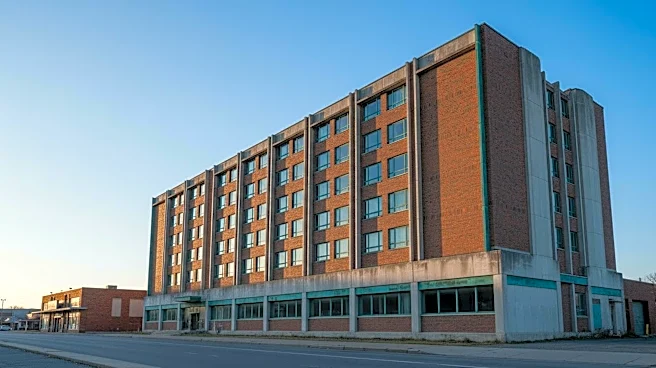
The U.S. Department of Justice has filed a lawsuit alleging a $100 million Ponzi scheme that spanned over three decades, with a South Philadelphia hotel, formerly known as the Penrose Hotel, playing a key role. The lawsuit accuses New Jersey-based father-son
duo Pankaj Sheth and Rajan Sheth, along with other family members and business associates, of fraudulently obtaining government-secured loans. They allegedly used chronically understaffed and dilapidated hotels, and a revolving door of business entities, to secure these loans. The complaint details a pattern where new, larger loans were used to pay off previous defaults, effectively creating a Ponzi scheme across various properties. The Penrose property alone was used as collateral for over $45 million in loans, with the Sheths allegedly pocketing millions intended for renovations.
Why It's Important?
This lawsuit highlights significant issues of financial fraud and the potential misuse of government-backed loan programs, including those designed for COVID-19 recovery like the CARES Act and Payment Protection Program. The alleged scheme, spanning decades and involving multiple properties, demonstrates a sophisticated and prolonged effort to defraud lenders and potentially taxpayers. The involvement of a hotel with a history of poor conditions, as described by online reviews, underscores how such properties can be exploited in fraudulent schemes, impacting both the financial system and the public perception of the hospitality industry. The Justice Department's action signals a commitment to prosecuting complex financial crimes and protecting the integrity of federal lending programs, which is crucial for maintaining economic stability and public trust.
What's Next?
The Justice Department's lawsuit seeks to compel the defendants to return all funds by which they were unjustly enriched. The Sheth family, through Rajan Sheth, has denied the allegations, stating they intend to fight the claims and file a countersuit. The legal proceedings will likely involve extensive discovery and potentially a lengthy trial, as the government's complaint is sprawling, with 332 pages and 133 counts. The outcome of this case could have significant implications for the defendants, potentially leading to substantial financial penalties and further legal action. It may also prompt increased scrutiny of loan applications for distressed properties and a review of oversight mechanisms for government-backed lending programs to prevent similar schemes in the future.
Beyond the Headlines
Beyond the immediate legal battle, this case sheds light on the ethical responsibilities of property owners and developers, particularly when utilizing public funds or government-backed loans. The alleged neglect of the hotels, as evidenced by the poor conditions described in online reviews, raises questions about the broader impact of such business practices on employees, guests, and the local community. The use of 'straw companies' and a 'revolving door of business entities' to obscure financial histories points to a systemic issue of corporate opacity that can facilitate fraudulent activities. This lawsuit could serve as a precedent, encouraging greater transparency in real estate transactions and stricter enforcement against those who exploit financial systems for personal gain, ultimately influencing regulatory frameworks and corporate governance in the hospitality and real estate sectors.