








What's Happening?
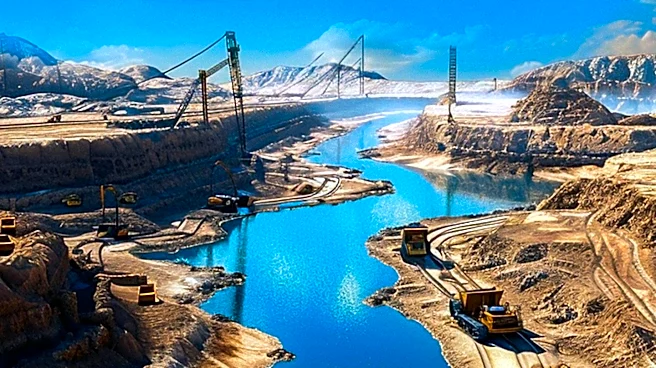
USA Rare Earth is actively developing a mine-to-magnet rare earth supply chain centered around its Round Top Mountain project in Texas. This initiative aims to provide critical materials for electric vehicle (EV), defense, and high-tech magnets. Concurrently,
Critical Metals is engaged in early-stage mining exploration in Southern Greenland and Austria, seeking lithium and rare earth element deposits to meet the demands of EV, defense, and high-tech material sectors. These efforts are part of a broader push to secure Western supplies of magnet metals, moving beyond just mining to encompass the entire mine-to-magnet production process. The focus is on establishing a robust domestic and allied supply chain for these essential materials, which are crucial for various advanced technologies and national security applications.
Why It's Important?
The development of a domestic mine-to-magnet rare earth supply chain is critical for U.S. national security and economic independence. Currently, the global supply chain for rare earth elements, particularly for magnet metals, is heavily dominated by China. This reliance poses significant geopolitical and economic risks, as disruptions could severely impact key U.S. industries, including defense, automotive (EVs), and high-tech manufacturing. By fostering companies like USA Rare Earth and supporting exploration by Critical Metals, the U.S. aims to reduce its vulnerability to external supply shocks and ensure a stable, secure source of these vital materials. This strategic shift is essential for maintaining technological leadership and strengthening the domestic industrial base, creating jobs, and securing critical components for future innovations.
What's Next?
The immediate next steps involve the continued development and scaling of projects like USA Rare Earth's Round Top Mountain facility and Critical Metals' exploration activities. The success of these ventures will depend on sustained investment, technological advancements in processing and refining, and favorable regulatory environments. Further government backing and private sector partnerships will be crucial to accelerate the establishment of a comprehensive mine-to-magnet ecosystem. The industry will also be watching for the commissioning of new processing and manufacturing facilities, which are essential to convert raw rare earth oxides into finished magnet metals. The goal is to achieve a more resilient U.S.-allied interdependence in the rare earth supply chain by the mid-2030s, even if full independence by 2030 remains ambitious.
Beyond the Headlines
The drive to establish a domestic rare earth supply chain extends beyond mere economic and security concerns; it touches upon broader themes of industrial policy and global power dynamics. The current concentration of rare earth processing in China highlights a critical vulnerability for Western nations. By investing in companies like USA Rare Earth and Critical Metals, the U.S. is not just seeking to secure materials but also to rebuild industrial capabilities that have atrophied over decades. This effort involves significant technological challenges, environmental considerations, and the need to cultivate a skilled workforce. The long-term implications include a potential rebalancing of global manufacturing power, increased resilience against geopolitical leverage, and the fostering of innovation in sustainable mining and processing techniques. It also underscores a shift towards prioritizing strategic industrial capabilities as a cornerstone of national strength.